
Reviewed · SANTA CRUZ DE TENERIFE TOURS
Santa Cruz de Tenerife: Vilaflor Canyoning Tour
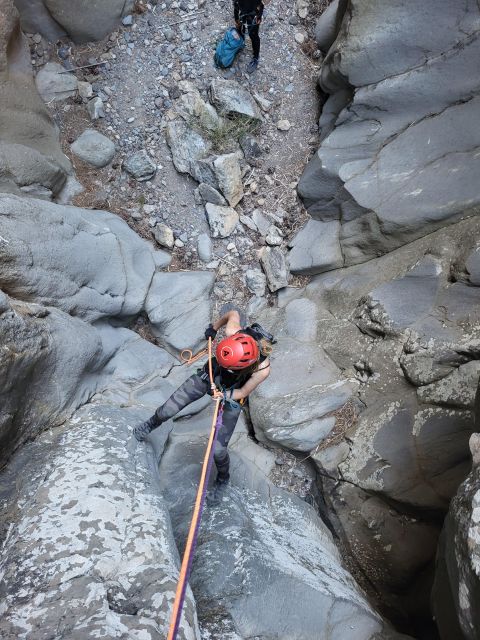
Five minutes in, and you are already rappelling. This dry canyoning tour in Vilaflor, near Santa Cruz de Tenerife, gets you into action early, with a first rappel around 20 meters while you explore narrow basalt rock and big canyon views.
I especially like how the activity stays approachable. The same route can flex in intensity, so you can match the day to your comfort level. I also love the small-group feel, plus the steady teaching from experienced local guides, including Jorge, who comes across as friendly and reassuring.
One thing to think about first: it is not for height fear or certain health limits. If you have vertigo, back problems, or you get nervous on exposure, this may not be your best match.
In This Review
- Key Highlights at a Glance
- Entering Vilaflor: Why This Dry Canyon Works for Beginners
- Meeting Point and the First 15 Minutes: Getting Ready Without Stress
- Gear and Clothing: What You Actually Need to Bring
- The Descent Begins: First Rappel About 20 Meters
- Basalt Walls Close In: Why the Canyon Feels Intense
- Different Rappels, Different Techniques, Same Route
- The Scramble and the Walk Back: Finishing Through Canary Pines
- Price and Value: Is $77 Worth It?
- Who This Tour Fits Best (and Who Should Skip It)
- My Practical Tips for a Smooth, Confident Day
- Should You Book the Santa Cruz de Tenerife Vilaflor Canyoning Tour?
- FAQ
- How long is the Santa Cruz de Tenerife Vilaflor canyoning tour?
- Where is the meeting point?
- What is the time breakdown during the tour?
- How big is the group?
- What languages does the guide speak?
- Is food included?
- What equipment is provided?
- What should I bring?
- Is this tour suitable for first-timers?
- What happens if weather prevents the activity?
- Is it suitable for kids or people with certain medical conditions?
Key Highlights at a Glance
- Quick access to the first rappel, about 5 minutes from the start, so you do not spend your half day waiting around
- Beginner-focused guidance, with a qualified coach teaching techniques step by step
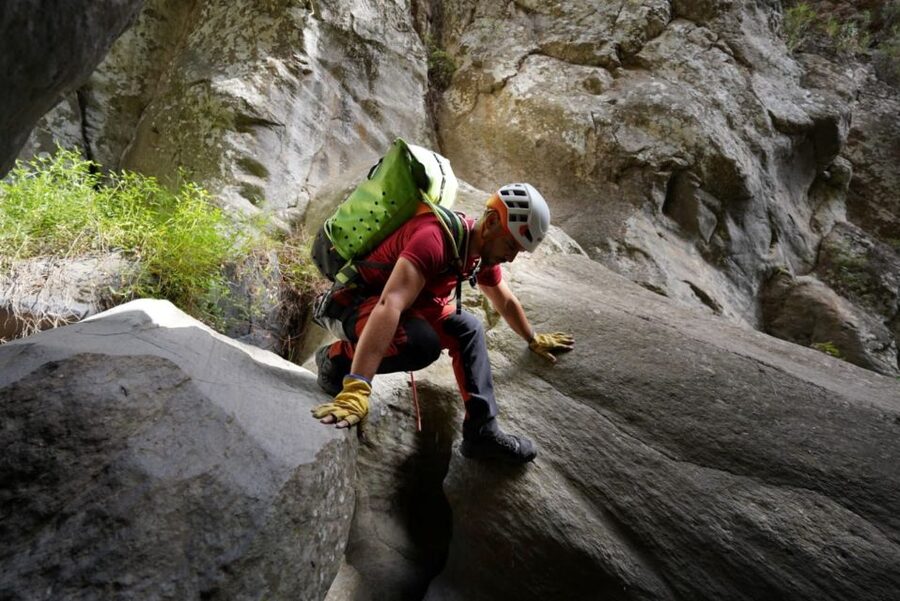
- Basalt rock canyon scenery, with narrow walls that make the rappels feel enclosed and real
- Rappel variety without changing the route, different techniques as you progress down
- Small group size (up to 7), which helps the guide keep an eye on everyone
- Finish with an uphill walk through endemic Canary pine, then back to the start
Entering Vilaflor: Why This Dry Canyon Works for Beginners
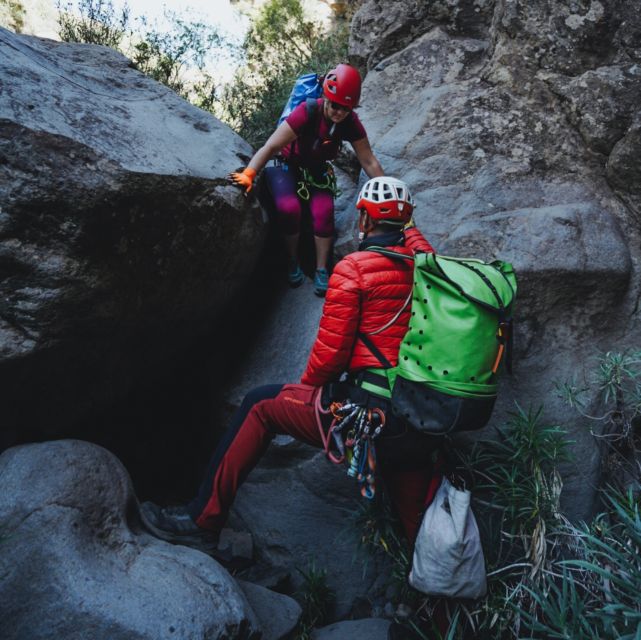
Canyoning usually sounds either intimidating or impossible, depending on your comfort with heights. This one earns its beginner label by how it is paced and taught. You are exploring riverbeds in a dry canyon setting, so you can focus on the movement and technique without needing to brace for a wet, slippery mess at every moment.
What makes this tour especially practical is the way difficulty can shift for you without changing the route. That means you stay on the same canyon plan, but the guide adjusts the activity level based on your ability. If you are new, the focus stays on safe fundamentals. If you are more confident, you still get the thrill without the tour turning into a one-speed-fits-all ordeal.
You also get strong scenery value for a half-day. The canyon is made of basaltic rock, so the walls feel dark, solid, and close. Then, when you climb out, you end up walking among Canary pine. It is a neat contrast: enclosed, technical rappel work first, then a calmer uphill walk back.
Rappel down a barranco waterfall
- Tenerife: Guided Canyoning Experience in Los Arcos
★ 4.8 · 230 reviews - Tenerife: Los Arcos Canyoning Tour with Guide
★ 5.0 · 207 reviews - Small-Group Half-Day Canyoning in La Orotava
★ 5.0 · 58 reviews - Tenerife: Los Carrizales Water Canyoning Tour
★ 5.0 · 55 reviews - Canyoning Tenerife: Canyoning Los Arcos la Orotava
★ 5.0 · 51 reviews
Meeting Point and the First 15 Minutes: Getting Ready Without Stress
The day starts at Calle Sta. Catalina, 51. You will find a small parking area next to a petrol station. That kind of simple meeting point matters because canyoning tours can sometimes start in confusing roadside places.
Once you gather, the first step is a safety briefing lasting about 15 minutes. This is not the kind of lecture that wastes time. For canyoning, it is the part that helps you relax, because it tells you how the gear works and what you should expect physically. Your guide is qualified and experienced, and the tour includes all canyoning equipment, so you are not trying to guess what to rent or what you forgot.
A helpful detail here is the language setup. The tour runs with a live guide in Spanish and English, so you can ask questions and understand the plan. When you are strapping into a harness and learning rappel basics, that clarity is not a nice-to-have, it is the whole point.
Gear and Clothing: What You Actually Need to Bring
Even with equipment provided, what you wear makes a huge difference. The tour guidance asks you to bring warm clothing, hiking shoes, sunscreen, water, and outdoor clothing suitable for active movement. You also want a daypack, a hair tie, and any personal medication you rely on.
Here is how I’d think about it, in plain terms:
- Warm layers matter because canyon walls and shaded sections can feel cooler than you expect.
- Good hiking shoes help your footing during scrambling and the short walking segments.
- Sunscreen is not optional. Even in canyon shade, your face and neck can catch a lot of sun if skies are clear.
You also have a food requirement. The tour does not include meals or drinks, so plan a snack or small meal you can eat before you start or during the day break moments. If you arrive hungry, your energy drops faster than your legs do.
One practical add-on: hiking boots can be rented if you request them from the provider. If you are unsure what footwear you have, that rental option helps you avoid showing up in sneakers that feel too smooth for uneven ground.
The Descent Begins: First Rappel About 20 Meters
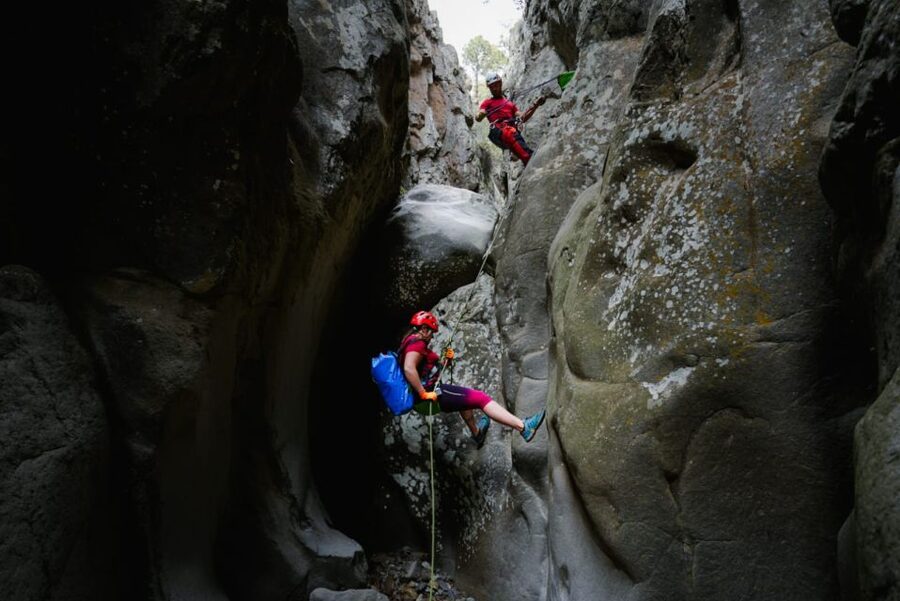
The tour’s pacing is built around action. Access to the canyon is almost immediate, with about a 5-minute walk from the starting point to your first rappel. That first drop is approximately 20 meters, and it is the moment that turns the day from walking tour to actual canyoning.
If this is your first time, the key is not trying to be a hero. Your guide will teach you what you need to continue safely, including how to manage your position and how to progress from one section to the next. Even if you have zero experience, the structure is designed to teach you as you go.
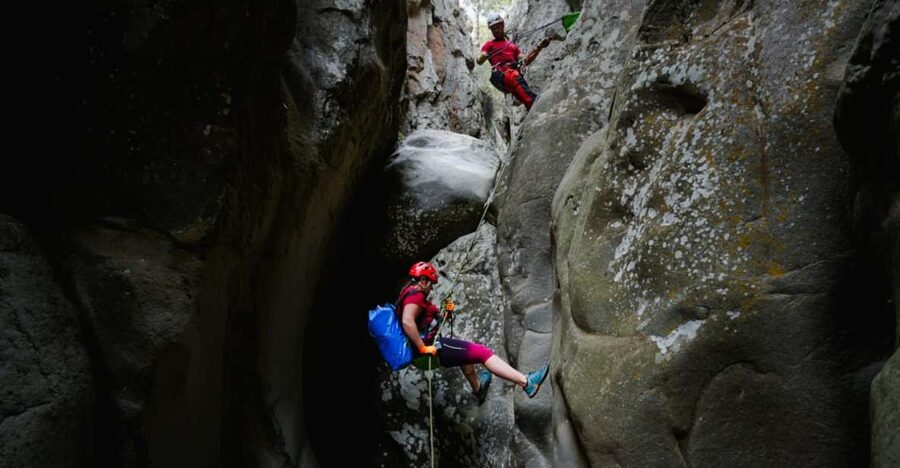
You will descend different rappels throughout the canyon, and each one brings a different kind of challenge. That variety is part of why the tour feels worth it even if you do not do it often. You are not just repeating the same move over and over. You are learning multiple rappel-related techniques, because the canyon changes how you move along the rock.
Auditoriums, markets, and carnival streets
Basalt Walls Close In: Why the Canyon Feels Intense
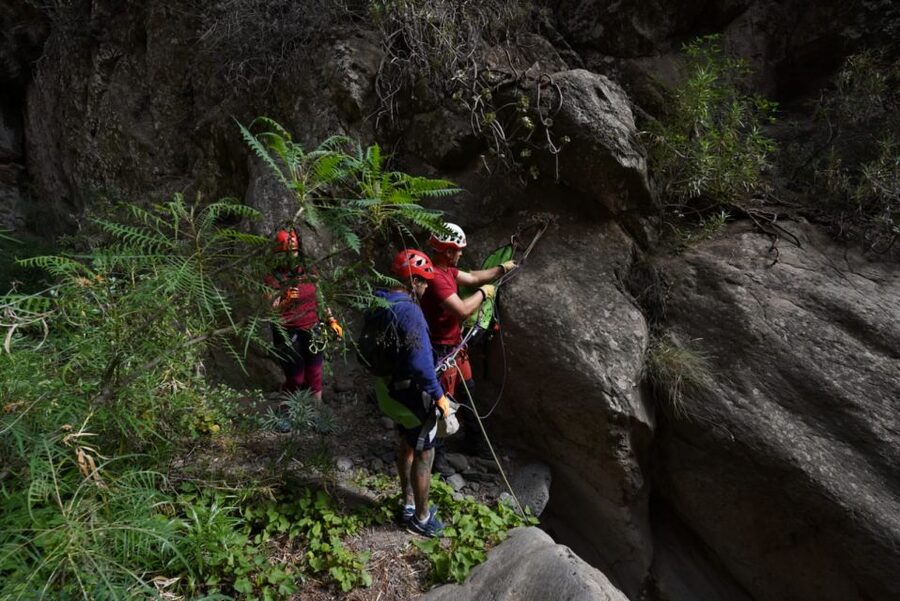
Once you complete the first rappels, the canyon becomes a more dramatic space. Basaltic rock forms narrow walls around you, and you start feeling like you are inside the canyon rather than above it.
That physical sense is a big deal. When you are in open terrain, you can talk yourself out of fear. Inside a narrow canyon, the goal is different: you focus on your steps, your grip, and the guide’s cues. The scenery also becomes more immersive in the practical sense, because your attention is naturally locked onto what is in front of you, not on your phone or the group behind you.
Also, because this route can adjust to different abilities without changing the canyon plan, you can keep your own pace. That matters for beginners. You do not have to fake confidence, and you do not get forced into a level that exceeds your comfort.
Different Rappels, Different Techniques, Same Route
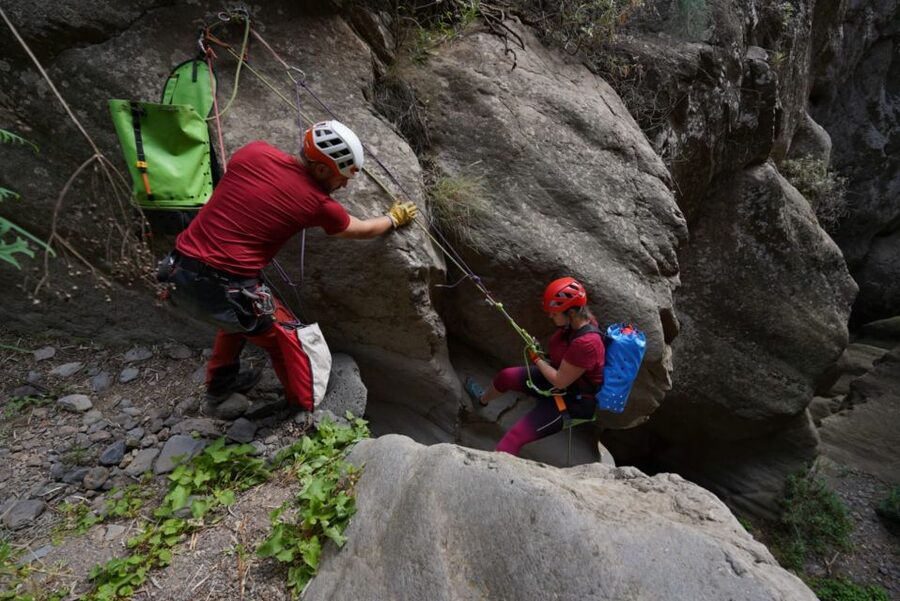
A standout promise here is that the canyon is “versatile,” letting the guide increase or decrease the activity level individually while keeping the same route. In real life, that is what makes the tour usable for mixed groups.
The best part is the learning arc. You start with basics and then you keep moving through rappels that require different techniques. That means you gradually build real confidence, because you are not stuck repeating only one skill all day.
If you are more nervous, you might find you want to ask extra questions before a transition. Do it. In canyoning, small misunderstandings feel bigger when you are hanging on a rope. A guide who is friendly and attentive, like Jorge described in the experiences you provided, is exactly what you want for that first day of learning.
And because the group is limited to 7 participants, you are not one face lost in a crowd. You should expect more checking and clearer instruction.
The Scramble and the Walk Back: Finishing Through Canary Pines
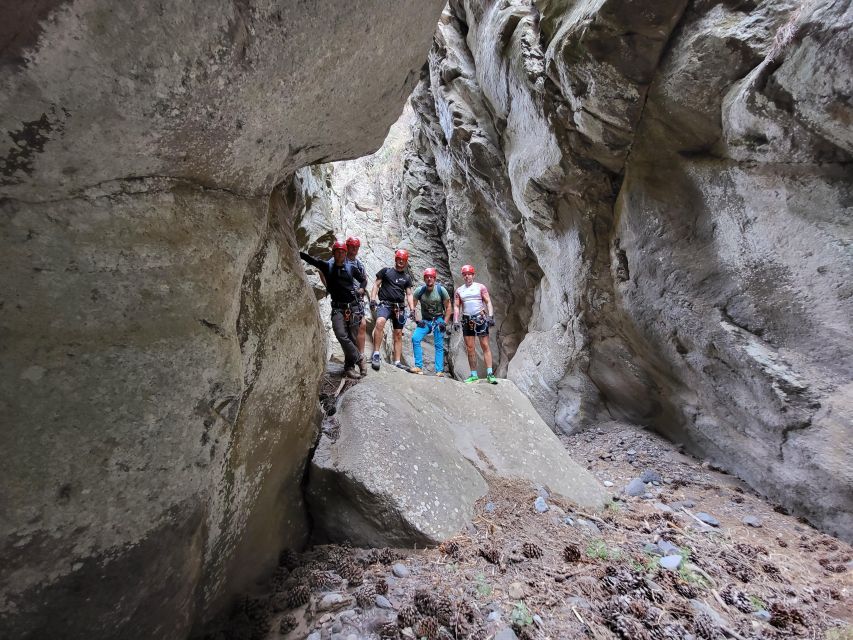
After the rappels, the tour shifts from vertical work to movement on land. You begin to ascend a small hill that takes you back toward where the adventure began. This hill walk is surrounded by endemic Canary pine trees, giving you a breather and a scenic payoff.
This part matters because it keeps the day from feeling like a single long effort. You get to reset your body after the rope work. It also gives your legs a different kind of challenge: steady uphill walking, not hanging, not bracing for drops.
Then you do a final walk segment of about 35 minutes to wrap up. If you are planning your day around it, remember this is not a “sit at the top and watch” outing. You are hiking, scrambling, and moving the whole time, just with different effort phases.
Price and Value: Is $77 Worth It?
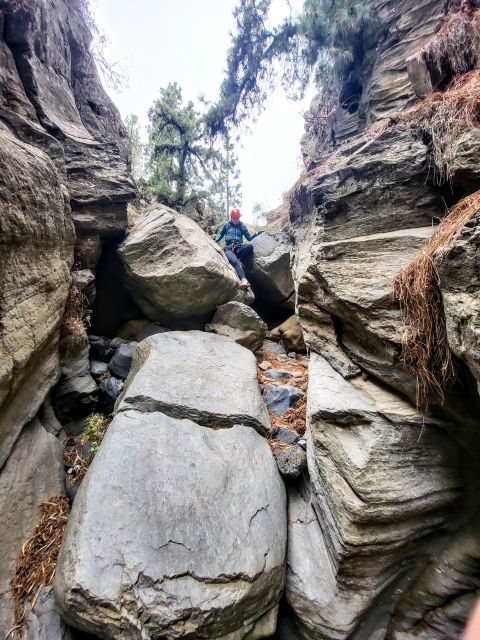
At about $77 per person for roughly 5 hours, this tour can be a strong value, especially when you compare it to the cost of trying to assemble everything yourself.
Here is what you are getting in the price:
- All canyon gear included
- A qualified local guide for your rappels and safety
- Photos of your experience
- Accident insurance included
The big practical win is the guide and equipment. You are paying for an expert to run the safety system and teach technique, not just for access to a canyon. Photos also add real value, because rappel days can be tough to capture well when you are focused on safety and movement.
The main tradeoff is that food and drinks are not included. That means you must budget for at least a snack or a simple meal. But compared to many active tours, requiring you to bring your own food is still a manageable downside, especially if you plan ahead and pack something you actually like to eat.
Who This Tour Fits Best (and Who Should Skip It)
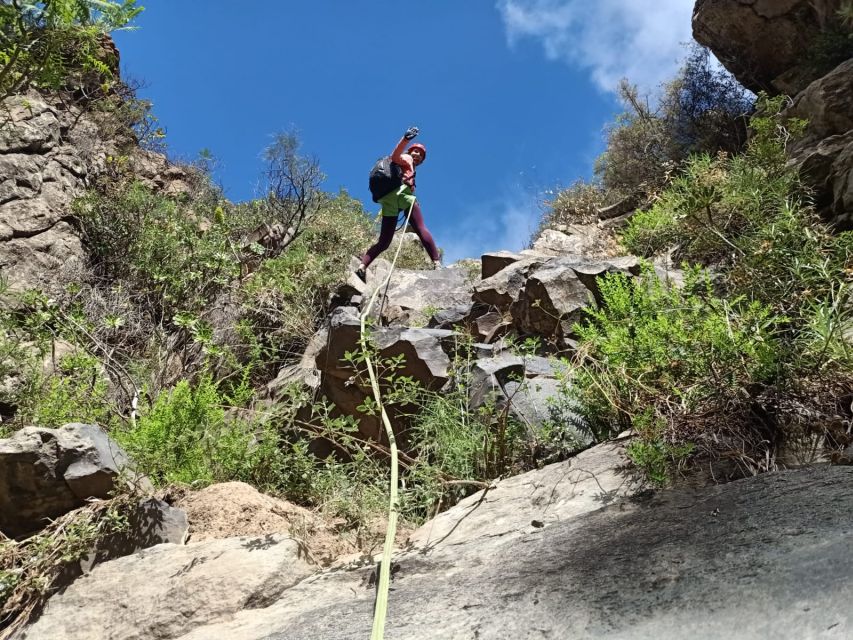
This is a beginner-friendly canyoning trip, and it is set up for people with varying abilities due to the adjustable intensity on the same route. If you want a thrill, love getting outside, and you are curious about rappelling in a guided, structured way, you will probably have a great time.
It is not for everyone. It is explicitly not suitable for:
- Children under 13
- Pregnant women
- People with back problems
- People afraid of heights
- People with vertigo
- People with epilepsy
- People under 3 ft 9 in (120 cm)
- People over 254 lbs (115 kg)
- People with mobility impairments
If any of those apply, it is smarter to pick a different kind of Tenerife activity. Canyoning asks for safe physical control, and the rules exist for a reason.
Also, canyoning is not a day to be casual if you have a fear of heights. Even if you think you can push through, your safest option is choosing a different activity where you do not have to face exposure on rope.
My Practical Tips for a Smooth, Confident Day
If you want this to feel fun instead of stressful, do these things:
- Eat before you go, and bring enough water for your pace. The tour does not include drinks.
- Wear warm layers, then adjust with the weather. Cold gear talk turns into real misery fast.
- Use proper hiking shoes. You will be scrambling and walking segments matter.
- Tie back long hair. It is a small thing until you are adjusting your setup.
- Pack sunscreen and a simple daypack. Sun and sun glare still happen, even during technical parts.
And here is the slightly humorous truth: you do not need to be fearless, you need to be coachable. If you listen, you will learn quickly. If you rush, you will feel worse. Your guide will teach you everything you need to continue safely, and that teaching is the difference between a shaky day and a solid one.
Should You Book the Santa Cruz de Tenerife Vilaflor Canyoning Tour?
I’d book this if you want an active half day with real technique, small group attention, and scenery that feels close and dramatic thanks to basalt canyon walls. The early start to the first rappel, the variety of rappels, and the fact that the tour can be adjusted to your ability level on the same route make it a smart choice for beginners who still want a real thrill.
Skip it if heights or vertigo scare you, or if any of the listed medical and mobility limits apply. Also, if you hate bringing your own snacks, plan around that. This is an equipment-and-guide day, not a catered lunch day.
If you are looking for a Tenerife experience that is practical, physical, and genuinely memorable, this Vilaflor canyoning route is the kind that turns a vacation day into a story you tell later.
FAQ
How long is the Santa Cruz de Tenerife Vilaflor canyoning tour?
The duration is about 5 hours total.
Where is the meeting point?
The meeting point is at Calle Sta. Catalina, 51, near a small parking area next to a petrol station.
What is the time breakdown during the tour?
You have a safety briefing of about 15 minutes, a guided tour of about 4 hours, and a walk back of about 35 minutes.
How big is the group?
The group is small, limited to 7 participants.
What languages does the guide speak?
The live guide speaks Spanish and English.
Is food included?
No. Food and drinks are not included, so you should bring what you need.
What equipment is provided?
All canyoning equipment is included.
What should I bring?
You should bring warm clothing, hiking shoes, sunscreen, water, outdoor clothing, a hair tie, personal medication, and a daypack. You should also bring food.
Is this tour suitable for first-timers?
Yes. It is described as suitable for beginners, and the guide teaches you what you need to continue safely.
What happens if weather prevents the activity?
If bad weather or other warnings prevent the activity, you can arrange the tour for another date or receive a 100% refund.
Is it suitable for kids or people with certain medical conditions?
It is not suitable for children under 13, people afraid of heights, people with vertigo, people with epilepsy, people with back problems, pregnant women, and several other specified limits.
Just Added to the Tenerife Lineup
Santa Cruz de Tenerife Tours, compared.

Santa Cruz de Tenerife: Beginner’s Diving & Introduction
Read our review →
Santa Cruz de Tenerife: 2-Hour Hiking Tour in Anaga Forest
Read our review →
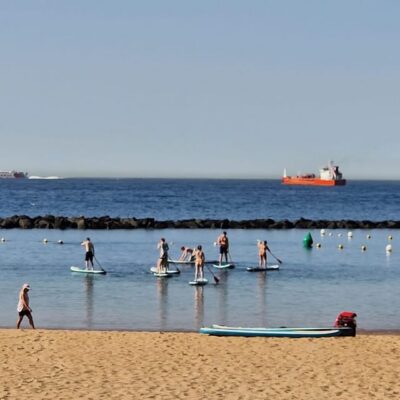
Santa Cruz de Tenerife: Las Teresitas Stand Up Paddle Course
Read our review →Browse the lists this tour appears in