
Reviewed · SANTA CRUZ DE TENERIFE TOURS
Santa Cruz de Tenerife Palmetum Entry Ticket
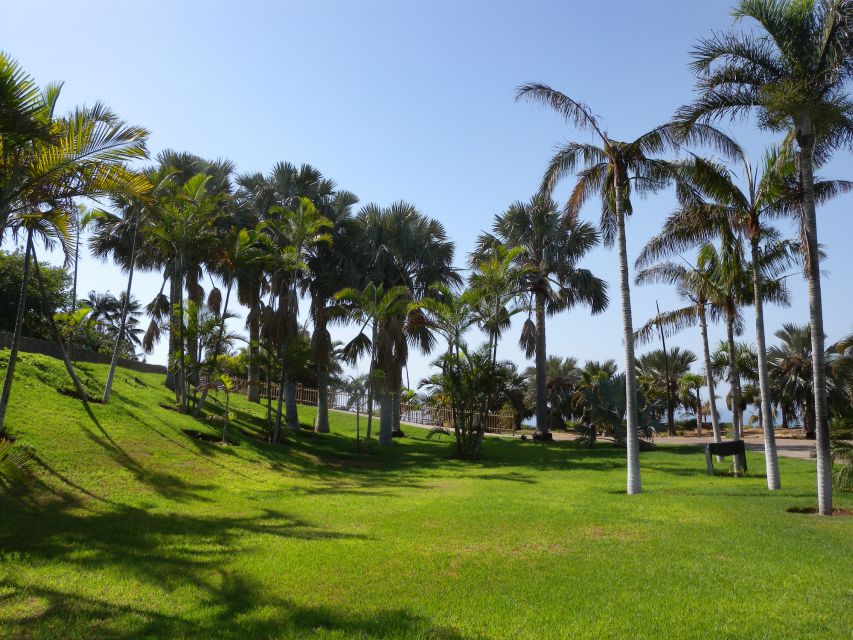
Palms on a former rubbish dump sounds odd. The Palmetum turns that unusual starting point into a walk-through botanical park, and I really like the Europe-leading palm collection and the views over the city and ocean.
One thing to plan for, though: the paths can feel hilly and uneven in spots, so if you use walking aids, take it slow and expect a few stretches that do not feel flat underfoot.
In This Review
- Key things that make the Palmetum ticket worth your time
- A landfill turned palm park with sea-and-city viewpoints
- Your 1-day self-guided game plan (and how to pace it)
- What you’ll see: 3,000 plant species, organized for real noticing
- The water features and volcanic-rock corners
- Photo stops with real payoff: ocean and city views
- Small snack options, and what the ticket does not cover
- Bird and butterfly spotting without turning it into a chase
- Price and value: why $7 can feel like a bargain
- Who should book this entry ticket?
- Know before you go: simple rules that keep things pleasant
- Should you book the Santa Cruz de Tenerife Palmetum entry ticket?
- FAQ
- Where do I meet for the Santa Cruz de Tenerife Palmetum entry ticket?
- How much is the entry ticket?
- How long is the ticket valid?
- Is free cancellation available?
- Can I book now and pay later?
- Is the Palmetum wheelchair accessible?
- Are pets allowed in the park?
- What items or activities are not allowed?
Key things that make the Palmetum ticket worth your time
- A 12-hectare project that repurposes a landfill into a functioning botanical garden
- More than 600 palm species (Arecaceae, also called Palmae) organized by geographic origin
- Island “territories” so you can compare palms from places like Madagascar, the Caribbean, and Polynesia
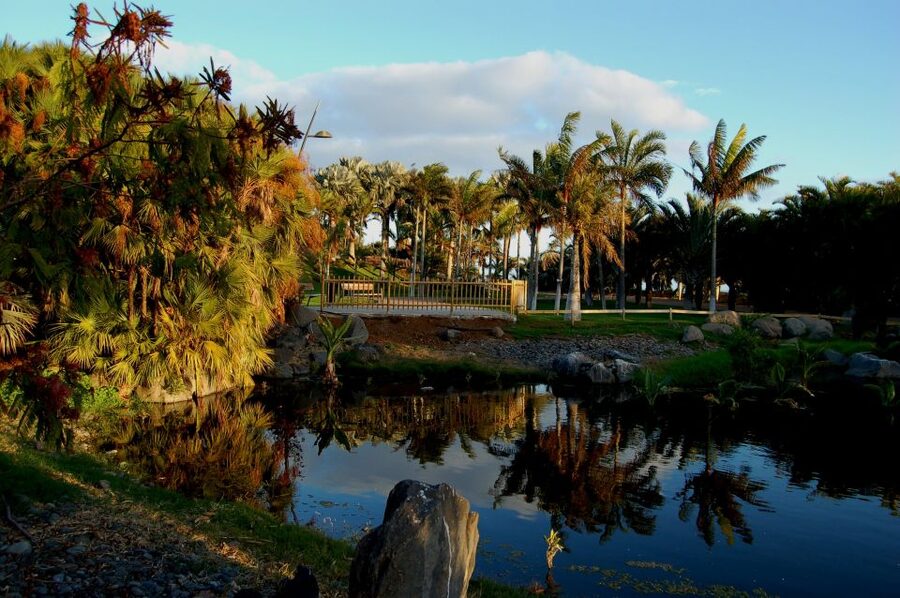
- 2 lakes, a stream, and 3 waterfalls, plus volcanic rocks that shape the scenery
- Sea-and-city viewpoint areas with benches that make it easy to pause and take photos
- Wildlife moments, including birds and butterflies, if you slow down and watch
A landfill turned palm park with sea-and-city viewpoints
Santa Cruz de Tenerife’s Palmetum is the kind of place that makes you rethink what a destination can be. Instead of a monument that stays still, this is a living garden built on a reclaimed municipal dump, now growing into a botanical collection on a big 12-hectare footprint.
I love how the park mixes serious plant science with walkable, everyday sightseeing. You get the sense that someone planned for you to wander, stop, and look closely, whether you care about palms or you just want a calm break with a view. The ocean and the city are always in the background, and on clear days they make your photos look more impressive than the effort it takes to stand there.
The palm collection is the headline, and it is not a small one. The park highlights Arecaceae (Palmae) with more than 600 species, and it groups plants by their geographic origin. That means you are not only looking at beauty, you are also learning how palms evolved in different island and tropical settings.
Auditoriums, markets, and carnival streets
- From Santa Cruz: Teide Volcano, Icod, & Garachico Tour
★ 4.9 · 234 reviews - Santa Cruz de Tenerife: Beginner’s Diving & Introduction
★ 5.0 · 136 reviews - Santa Cruz de Tenerife: 2-Hour Hiking Tour in Anaga Forest
★ 4.8 · 133 reviews - Tenerife: Santa Cruz, La Laguna and Anaga Tour
★ 3.5 · 67 reviews - Tenerife: Santa Cruz Guided Bike Tour 1.5 hour
★ 3.8 · 67 reviews
Your 1-day self-guided game plan (and how to pace it)
This is an entry ticket, not a timed guided tour with a rigid script. You use your one-day access to shape the visit around your interests, so I recommend building your day around two priorities: views and plants.
Start at the entrance and give yourself 10 to 20 minutes to get your bearings. The park has distinct areas, including palm sections that focus on origin and island territories, plus water features that naturally pull you from one zone to the next. If you go straight for the sights first, you will be more motivated to slow down later when you find a bench and want to read signs.
Then, work the park in loops. A good pattern is:
1) Walk the palm-heavy areas first, so your eyes are fresh and you notice differences between species.
2) Shift to the water features and volcanic-rock corners next, because those spots make great pauses.
3) Finish by returning toward viewpoint areas for a last look over the sea and the city.
You can easily spend more time than you think here, and some people end up stretching it past a first plan because it is just pleasant to wander. If you have limited time, focus on palms and viewpoints, and consider skipping the furthest corners first to stay comfortable.
What you’ll see: 3,000 plant species, organized for real noticing

The Palmetum’s core strength is scale. The park presents about 3,000 species of plants from tropical and subtropical climates worldwide, and palms make up the main story with more than 600 species. That matters because a small garden can look pretty, but it cannot give you the same sense of variety and geographic comparison.
I like that the planting strategy is practical for visitors. Most of the area is dedicated to island territories, so you are not stuck in a generic scatter of trees. You can see how palms from Madagascar, the Caribbean, or Polynesia are represented, and you start to recognize that island climates shape form, growth, and survival.
Expect a lot of labels and interpretive information, though some signage can look worn. If you are the kind of person who likes to read every tag, bring your patience and a bit of flexibility. When signs are faded, it is still worth it because the plants do the talking.
Also, do not treat this as a “quick look” park. The value is in repeated looking. Walk a few steps, stop, compare, and then keep going. A garden like this rewards a slower pace.
The water features and volcanic-rock corners
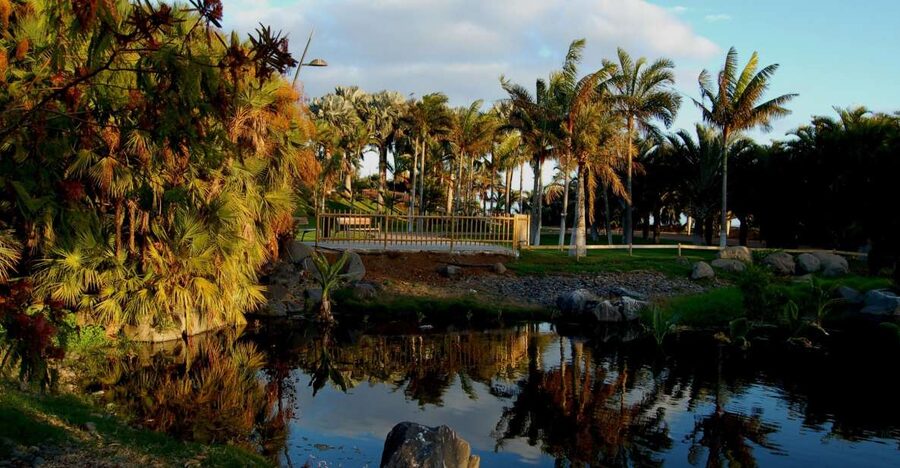
One of the pleasant surprises is how often you encounter water while you are moving through the garden. The park includes 2 lakes, a stream, and 3 waterfalls, plus corners decorated with immense volcanic rocks. Even if you are not hunting for photos, these features break up the walk and give your brain a different kind of scenery.
Water also changes the feel of the visit. The sound of water tends to pull you toward quieter spots, and it makes benches feel more inviting. If you like nature details, it is a nice rhythm shift: palms for wow, then water for calm.
A practical note: some ponds may look less clean than you expect. If water cleanliness matters to you, you may want to keep your expectations relaxed and focus more on the overall design and plant life than on any single pond close-up.
Other things to do around Tenerife
Photo stops with real payoff: ocean and city views
The Palmetum is not just about plants sitting in the background. It is built with viewpoint areas that look down over Santa Cruz de Tenerife and out toward the ocean.
I like planning my visit around these photo moments because they prevent the “walk for two hours and realize I took no great pictures” problem. Find a viewpoint area early, get your bearings, then come back later when you notice the light has shifted.
There are plenty of seating points, which helps a lot in a garden park. Instead of standing and balancing your camera for ages, you can actually sit, scan the view, and then get back to the plants. One bonus detail from people who have visited is how benches can pair palm trees with pine trees and sea views, which gives you a layered image even in one frame.
Small snack options, and what the ticket does not cover
Your ticket covers entry only, not food and drinks. That said, there is usually some kind of small refreshment area inside the park. One review described a coffee spot and a mobile snack bar near a pond, with seating nearby.
So here is my practical approach: bring water for your day and plan meals around Tenerife’s restaurants outside the park. If you want a coffee or a snack mid-walk, you can often grab something on-site, but do not build your budget or schedule assuming the refreshment area will meet all needs.
This is also why the Palmetum works well for a quick “break from the street.” You can do the garden first, stop for a drink if needed, then get back to exploring the town.
Bird and butterfly spotting without turning it into a chase
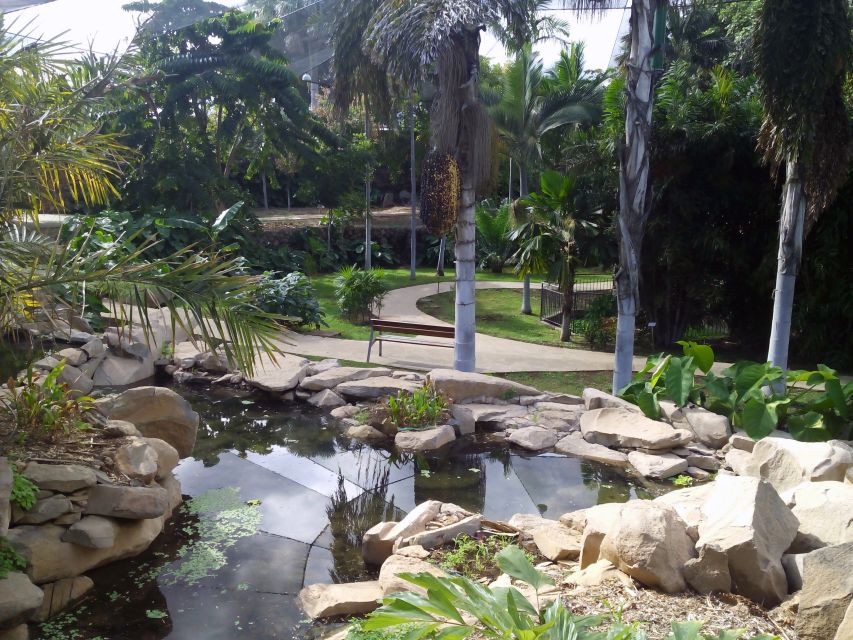
Because the garden has water, plants, and varied corners, wildlife pops up if you pay attention. I would not expect a safari vibe where you track animals. But it is a nice place for subtle moments: butterflies passing by, birds perching nearby, and occasional close sightings.
People have even reported bird activity like a kestrel hunting and hoopoes appearing close by. If birds are your thing, take a slower loop around the water features and viewpoint areas, because that is where you are more likely to notice movement.
Price and value: why $7 can feel like a bargain
At about $7 per person for entry, this is one of those tickets that feels more like a chance to recharge than a paid attraction. You get a long walk through a 12-hectare garden, major palm specialization, and big views that change the experience from a simple botanical stroll into something more like a destination.
Value is also about timing. This kind of entry ticket makes sense if you have flexibility, because you can use it whenever the day works best for you. It is not a pre-planned group schedule where you feel rushed. If you are pairing it with other Santa Cruz sightseeing, it is easy to slot in as a nature-minded break.
Some visitors also mentioned that booking in advance can be cheaper than paying on the day, with day pricing reported lower per person. Exact prices can vary with when you book, but the main point holds: at this cost level, it is hard to justify skipping it if you like plants or want a calm walk with good views.
Who should book this entry ticket?
This works best if you want:
- a low-cost nature stop in Tenerife that still feels like a real place, not a side garden
- a palm-focused visit where you can compare many species and origin groupings
- time outside with viewpoints, seating, and a “wander-friendly” layout
- a family-friendly option that does not require a museum mindset
It is also a solid choice if you are visiting from a cruise port. One review called it a straightforward walk from the ship via a lovely pathway, which makes it a practical leg-stretcher if the weather is nice.
If you have mobility concerns, plan for some effort. The park is wheelchair accessible, but people with walking sticks noted the experience can feel difficult in parts. That does not mean it is off-limits, it just means you should pace yourself, pause often, and bring what helps you feel stable.
Know before you go: simple rules that keep things pleasant
The Palmetum has clear park rules meant to protect plants and keep the visit safe:
- no smoking
- no drones
- pets are not allowed, though assistance dogs are allowed
- no alcohol and drugs
- no bikes, skateboards, scooters, or skates
- no littering and no feeding animals
- no making fire, no party-group behavior, and no nudity
If you are traveling with kids, this is actually helpful. Fewer distractions and fewer “rule break” situations often make it easier to enjoy the garden calmly.
Should you book the Santa Cruz de Tenerife Palmetum entry ticket?
I think you should book if you enjoy plants, especially palms, or if you want a budget-friendly outdoor break with serious sea-and-city views. The price is low enough that you can go even with modest expectations, but the palm collection and island organization tend to exceed what most people imagine from a reclaimed-land garden.
Skip it only if you are looking for a typical guided attraction with fixed stops and a strict agenda, or if you need an entirely flat, easy walk for comfort. Otherwise, the Palmetum is exactly the kind of practical day plan that works in real travel schedules: walk, look, sit, photograph, and let the park do the talking.
FAQ
Where do I meet for the Santa Cruz de Tenerife Palmetum entry ticket?
You meet at the entrance of the Palmetum park.
How much is the entry ticket?
The price is $7 per person.
How long is the ticket valid?
The ticket is valid for 1 day. Starting times can depend on availability.
Is free cancellation available?
Yes, you can cancel up to 24 hours in advance for a full refund.
Can I book now and pay later?
Yes, the booking option includes Reserve now & pay later.
Is the Palmetum wheelchair accessible?
Yes, the activity is wheelchair accessible.
Are pets allowed in the park?
Pets are not allowed, but assistance dogs are allowed.
What items or activities are not allowed?
Smoking, drones, bikes, alcohol and drugs, littering, feeding animals, skateboards, scooters, and skates are not allowed, along with things like making fire and party-group behavior.
Just Added to the Tenerife Lineup



Santa Cruz de Tenerife Tours, compared.

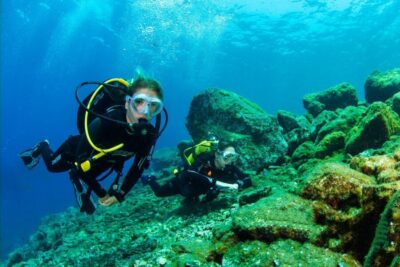
Santa Cruz de Tenerife: Beginner’s Diving & Introduction
Read our review →
Santa Cruz de Tenerife: 2-Hour Hiking Tour in Anaga Forest
Read our review →



Santa Cruz de Tenerife: Las Teresitas Stand Up Paddle Course
Read our review →Browse the lists this tour appears in