
Reviewed · TENERIFE PHOTO SHOOTS
Tenerife Landscape Photography Workshop 5 hours
Volcanic coasts teach your camera fast. In just 5 hours, this Tenerife workshop pairs focused coaching with two shorelines of dramatic lava formations, timed for light that flatters sunset photos. You’ll work with a guide named Detlef and learn how to turn what you see into strong compositions, not just decent snapshots.
I especially like how the session is built around real decision making. Detlef pushes you to think through composition and the camera controls you use to get the shot, with encouragement as you go. I also like that you get practical, manual-focused instruction, so changes in aperture and shutter speed make sense right away.
One consideration: this experience is weather dependent, and it does not include lunch. So plan for a snack stop on your own, and make sure you wear gear that works on a rocky coastline when the wind picks up.
In This Review
- Key highlights you will feel in your photos
- Your 5-hour Tenerife plan: coaching plus real locations
- South Tenerife at Punta Negra and Charco del Diablo
- North Tenerife at La Guanca and Charco del Viento
- Why Detlef’s coaching matters for your camera decisions
- Sunset timing: how to get photos that feel intentional
- What is included, what costs extra, and what that means for value
- Logistics that actually affect your photos
- Who this workshop is for
- Should you book this Tenerife photography workshop?
- FAQ
- How long is the Tenerife Landscape Photography Workshop?
- Where does the workshop start and end?
- Is pickup available?
- What is included in the price?
- Is lunch included?
- What happens if the weather is poor?
- Can I cancel for a full refund?
Key highlights you will feel in your photos
- A coach focused on composition and camera controls, so you improve your choices, not just your settings
- Manual photography emphasis, with clear explanations of what aperture and shutter speed changes do
- Two Tenerife options for lava and water, Punta Negra and Charco del Diablo on the south, or La Guanca and Charco del Viento on the north
- Sunset-friendly shooting, because both areas offer dramatic light angles and strong subject shapes
- Private group format, so you get attention geared to your pace
- Simple, practical extras, like soda or pop and drinking water included
Your 5-hour Tenerife plan: coaching plus real locations
This workshop is short enough that you will stay sharp the whole time, but long enough for actual improvement. The structure is basically this: you get guidance, you shoot, you get feedback, then you shoot again with better intent. That cycle matters because a great photo often comes from one good decision at the right moment, not from chasing the perfect scene.
You start in Santiago del Teide, at C. Punta Negra, 24 (38683). The activity ends back at the meeting point. The start time is 2:00 pm, which is a smart choice for sunset photography because you have time to settle in before the light turns golden. Pickup is available on workshop days, but it is not guaranteed automatically. It can be arranged by request and may cost extra, so if you want convenience, ask ahead.
The biggest “value” element here is that the coaching is not generic. Detlef’s teaching style is described as encouraging and step-by-step as you work through each shot. Instead of lecturing for the full session, he helps you see what to change and why, so you leave with a mental method you can reuse.
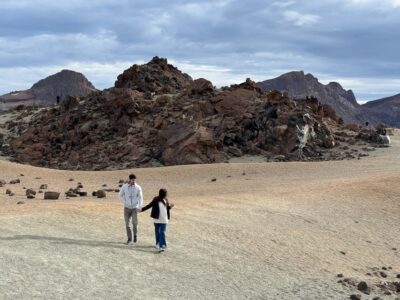
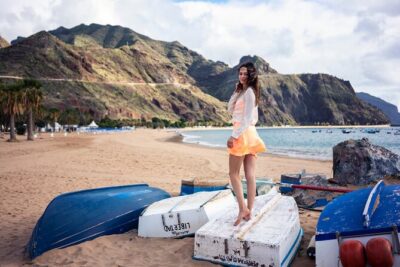
Black sand and lava rock as backdrop
- Mermaid Experience and Photo Shooting including make up
★ 5.0 · 49 reviews - Tenerife: Photography Sessions – Families, Couples, Friends
★ 5.0 · 26 reviews - Tenerife: Professional Photo Shoot with 50 Photos
★ 4.9 · 19 reviews - TENERIFE MEMORIES: PROFESSIONAL PHOTO SHOOT
★ 4.9 · 11 reviews - Private Photoshoot with a Professional Photographer in Tenerife
★ 5.0 · 6 reviews
South Tenerife at Punta Negra and Charco del Diablo
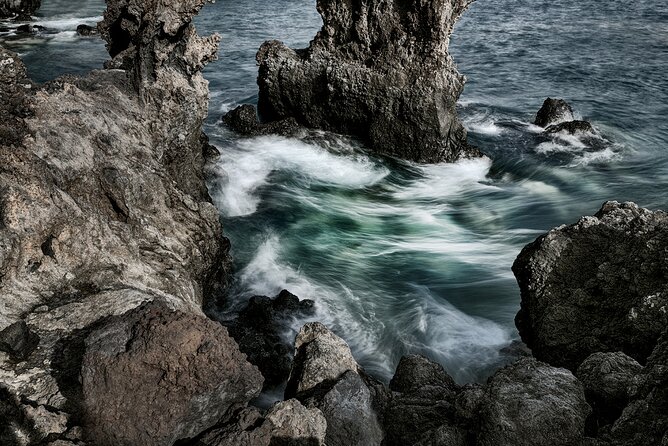
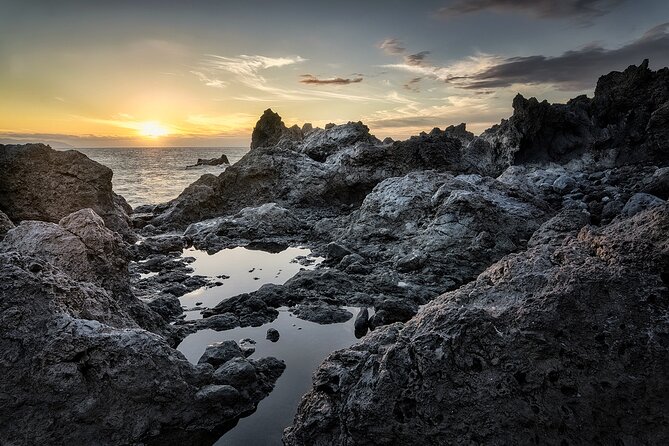
If your workshop day focuses on the south of Tenerife, your stops center on Punta Negra and Charco El Diablo (also known as Charco del Diablo). This is pure lava territory, where black rock and tide-worn textures create natural frames for your camera. Even without perfect weather, the place still looks like a set built for photography.
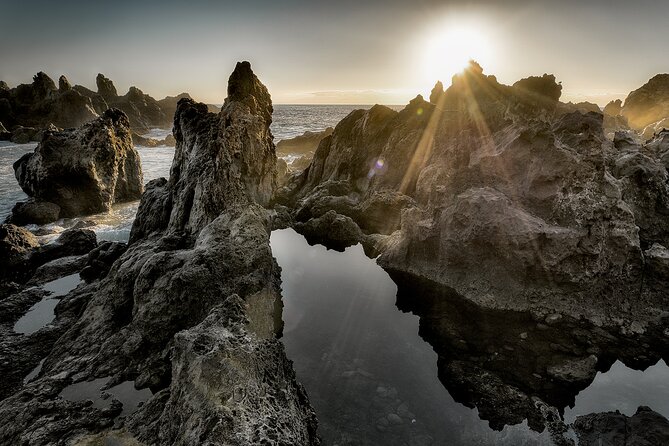
What makes these lava formations special for pictures is contrast. You get dark stone with bright highlights, plus water that can add both movement and reflective shine. Lava channels and rock arms create built-in lines that help your eye move through the frame. That means you can practice composition skills quickly: placing the horizon, using rock shapes as foreground, and deciding where the viewer’s attention should land.
A practical reason these locations work well for sunset: the low sun angle often skims across rock surfaces. That reveals texture you miss in midday glare. It also gives you a color shift in the water, especially when waves or splashes throw highlights onto the dark stone. If you like emotionally intense images, this south option is the stronger bet.
Potential drawback: because it is a lava coastline, your footing and camera position can get awkward. Bring a steady stance mindset. Take your time setting up, then focus on one strong composition instead of trying to photograph everything.
North Tenerife at La Guanca and Charco del Viento
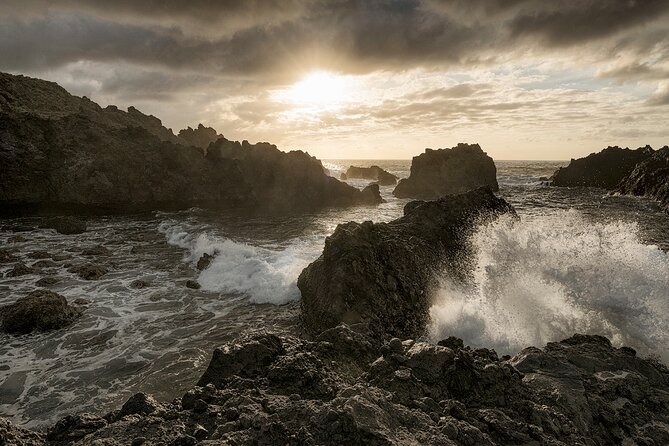
If your workshop day focuses on the north, you’ll head to La Guanca and Charco del Viento. This area is described as a place of beauty and color, with the Atlantic showing its energy even when waves are not at full strength. The key photographic ingredient here is movement plus structure.
Charco del Viento (also tied to Charco del Viento) is where water interacts with lava arms, creating action in the gaps. That is excellent for photographers who want more than still, static scenery. You can practice timing your shutter for wave impacts, using exposure to control how water looks, and composing with the rock shapes that channel the water’s behavior.
A nice thing about this north option is subject variety without changing locations constantly. Even if you stay near a single viewpoint, you can often shoot multiple versions: water calm to splashing, sky light shifting, rock reflections, and silhouette moments. It is also a very strong sunset choice because sea light and rock contrast tend to play well together.
Potential drawback: when the Atlantic is active, you may feel rushed by the pace of water movement. That is where Detlef’s coaching helps. You can learn to plan your shot and keep control, even when the scene is changing quickly.
Why Detlef’s coaching matters for your camera decisions
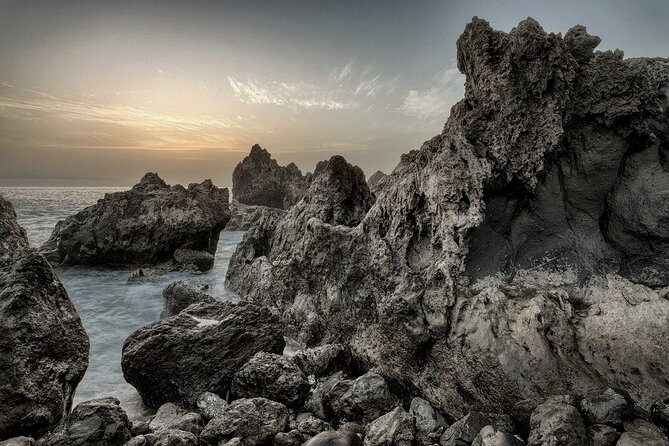
The highest praised aspect of this workshop is the coaching itself. People highlight that Detlef gets you thinking about composition and the specific camera controls you use to achieve your ideal shot. In plain terms, you should expect real feedback on how you frame, how you set exposure, and what you do next.
This matters because many photography trips only show you places. Here, the goal is to change how you shoot the place you are standing in. The manual-focused approach is especially useful. If you have ever adjusted settings but could not explain the outcome, you will likely appreciate the clarity. The instruction style described in the experience centers on understanding what aperture and shutter speed actually do to an image, not just copying a formula.
In practical terms, you will likely spend the session practicing two things:
- Composing intentionally, so the camera captures your idea instead of random good luck
- Working fully in manual, so each exposure choice becomes understandable and repeatable
You can also take advantage of Detlef’s encouraging tone. When someone helps you see the decision behind the settings, it reduces the fear that keeps many people from experimenting. That is how you end the session feeling more confident, not just more informed.
Get your hands on a local craft
Sunset timing: how to get photos that feel intentional
This workshop is designed to work well around sunset light. Starting at 2:00 pm gives you enough time to arrive, choose viewpoints, and settle into a shooting rhythm as the sun lowers. Sunset is not only about color. It is about direction, contrast, and how long shadows shape the frame.
Here are the kinds of sunset-focused strategies that this kind of coaching typically helps you apply:
- Use rock lines and water channels to lead the viewer toward your main subject
- Decide whether you want dramatic texture in the lava (often helped by lower sun) or softer water moods (often helped by exposure choices)
- Keep your compositions simple, letting the geology do the work
If you are serious about manual control, sunsets are where you learn fastest. Light changes quickly, so you see the consequences of your settings rather than reading them in a book. Detlef’s step-by-step approach and emphasis on what aperture and shutter speed changes do can make that learning feel fast.
One more practical tip: protect your camera from wind spray when you’re near active water. Keep lens cleaning wipes handy. And consider your comfort early, because if you are cold or unsteady, you will rush your decisions.
What is included, what costs extra, and what that means for value
The price is $118.29 per person for about 5 hours. What you are paying for is not only access to two dramatic coastal areas. You are paying for coaching, plus a focused session where you can practice manual photography with feedback.
Included items are soda or pop and drinking water. Lunch is not included, so plan to eat on your own. Because the session is only half-day length, this is reasonable. It is also a good sign you will not be spending time stuck in a restaurant while the best light disappears.
Another value factor: it is a private tour/activity, meaning only your group participates. That usually helps you get more attention than you would in a large group. Even if you come with basic gear knowledge, private coaching can translate into better shooting habits in a short time.
Pickup is available, but it is by request and may have an additional cost. If you want to reduce travel hassle, factor that in when you book.
Logistics that actually affect your photos
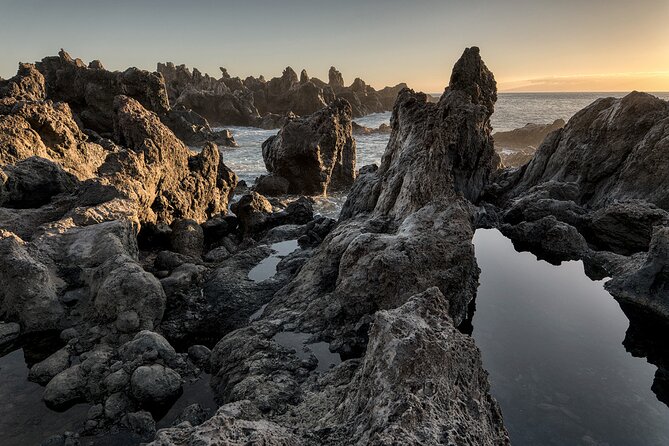
Small details can make or break a coastal photo session. This one has a few items you should plan around.
First, your route could be south or north. The south option focuses on Punta Negra and Charco del Diablo, while the north option focuses on La Guanca and Charco del Viento. Either way, you are shooting lava formations and water interaction, but the mood changes. South often leans toward strong rock contrast and dramatic structure, while north often gives more action with the Atlantic’s energy.
Second, weather matters. The experience requires good weather. That is not just for comfort. It affects what you can shoot safely and how the light behaves. If it gets canceled due to poor weather, you should expect a different date or a full refund.
Third, you should arrive thinking about your camera control goals. If you want to learn manual exposure, treat the session like a workshop, not a sightseeing walk. Ask questions, test your settings, and review what you got immediately so Detlef can help you refine the next choice.
Who this workshop is for
This is a great fit if you fall into one of these categories:
- You already know the basics, but your photos do not look consistent when you change settings
- You want to work in manual and understand exposure choices instead of guessing
- You like dramatic volcanic scenery and want a coach to help you translate it into stronger compositions
- You are traveling with limited time and want a focused, photo-driven half day instead of a long tour
It also helps if you enjoy sunset photography. Both the south and north options are framed around that light. If you are mainly into daytime city scenes, you might not get as much value from the lava and sea focus.
Should you book this Tenerife photography workshop?
If your goal is to get better fast with real coaching, I think this one is worth booking. The big win is the way Detlef teaches: composition first, then camera controls, with clear explanations that connect aperture and shutter speed to what shows up in your image. The session is short, private, and structured for practical change, so you should come away more confident and more decisive.
I would skip it only if you know you cannot handle uneven or rocky coastal conditions, or if you are not willing to shoot in potentially windy weather. Also, if you need a full meal included, plan ahead for lunch since it is not part of the package.
If you want sunset-friendly lava photos and a method you can reuse on your next trip, this workshop checks a lot of boxes.
FAQ
How long is the Tenerife Landscape Photography Workshop?
It runs for approximately 5 hours.
Where does the workshop start and end?
It starts at C. Punta Negra, 24, 38683 Santiago del Teide, Santa Cruz de Tenerife, Spain, and it ends back at the same meeting point.
Is pickup available?
Pickup is offered on workshop days. Hotel or other location pickup is available upon request at an additional cost.
What is included in the price?
The workshop includes soda or pop and drinking water.
Is lunch included?
No. Lunch is not included, so you’ll need to pay for it yourself.
What happens if the weather is poor?
The experience requires good weather. If it is canceled due to poor weather, you will be offered a different date or a full refund.
Can I cancel for a full refund?
Yes. You can cancel up to 24 hours in advance for a full refund. If you cancel less than 24 hours before the start time, the amount paid will not be refunded.
Just Added to the Tenerife Lineup
Tenerife Photo Shoots, compared.
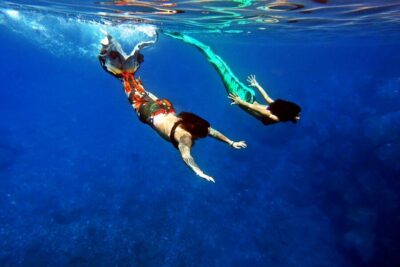
Mermaid Experience and Photo Shooting including make up
Read our review →
Photography Sessions – Families, Couples, Friends
Read our review →
Private Photoshoot with a Professional Photographer in Tenerife
Read our review →
Photo Shoot with a Private Vacation Photographer
Read our review →
Tenerife Landscape Photography Workshops 10 hours
Read our review →Browse the lists this tour appears in