
Reviewed · TENERIFE SURF LESSONS
Tenerife : clases de surf para principiantes y intermedios
Your first wave starts with good basics. In south Tenerife at Playa de Las Americas, this 2-hour surf class is built for both beginners and improving surfers, with small groups up to 6 so you get real attention. I also like how the titled instructor stays close in the water, not from 50 meters away. The main drawback is that it is an extreme sport, so you need a moderate level of fitness, and it is not a fit for non-swimmers, kids under 10, or people with back problems or certain health conditions.
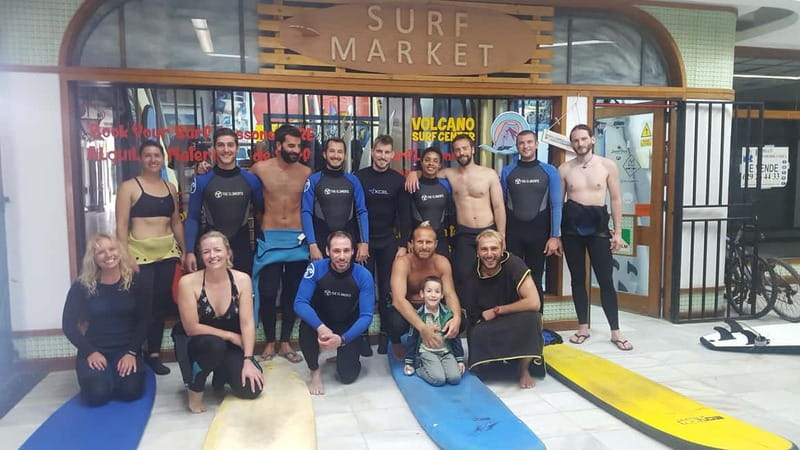
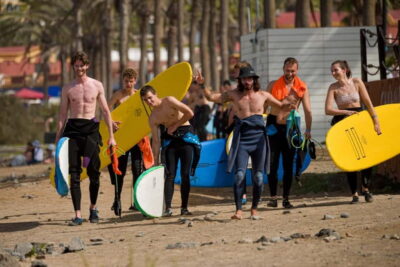
Before you ever touch the board, you start at the Surf Market Volcano surf school, next to the bar in Parque Santiago 2. You get 30 minutes of theory, then you suit up with full gear and practice together in the sea, guided step by step for safer entries, better wave timing, and corrections when your stance is off. Afterward, you return the equipment, change clothes, and you even get water plus fresh fruit, with an optional chance to buy personal photos from a professional photographer.
In This Review
- Key Things To Know Before You Go
- Why Playa de Las Americas Makes This an Easier First Surf Win
- Getting Started: Surf Market Volcano and the Pre-Water Routine
- The 30 Minutes of Theory That Saves You From Guesswork
- Catching Waves: What the Instructor Support Really Looks Like
- Equipment, Clothing, and What to Pack So You Are Not Rushing
- Price and Value: Is $38 Fair for 2 Hours?
- Who This Surf Lesson Is For (and Who Should Skip)
- The End of the Lesson: Clothes, Feedback, and Small Extras
- Photos, Action Cams, and How to Capture Your Progress
- Should You Book This Surf Lesson?
Key Things To Know Before You Go
- Up to 6 people means less waiting and more hands-on coaching.
- 30 minutes of instruction on shore, then you practice right away in the water.
- Full equipment included: wetsuit, board, and boots.
- Playa de Las Americas is a well-known surf beach in Tenerife’s south.
- Instructors adjust to conditions, and at least once the session was extended to 3 hours when waves were better after a check-in.
- Small session extras: water, fresh fruit, and optional professional photos.
Why Playa de Las Americas Makes This an Easier First Surf Win
Playa de Las Americas is one of Tenerife’s best-known surf areas, and that matters for your first lesson. When a beach has lots of surfing, you typically get more consistent basic setup, more local surf knowledge around, and a vibe that feels normal even if you are new to the sport.
This school runs classes every day in the south, so you are not stuck only on a rare perfect-weather window. That helps if you are on a tight trip and you just want one solid chance to try surfing without overthinking it.
Also, the location is tied to an actual meeting base, Parque Santiago 2, where you gather, get oriented, and start the session together. That reduces the classic “I am standing at the wrong place with a wetsuit bag” stress.
Finally, the lesson structure fits the beach. You do short teaching first, then you hit the water in a group with an instructor close by. For beginners, that is the difference between learning theory and learning what your body needs to do on a moving board.
Learn to read the Atlantic swell
- Tenerife: Surfing Lesson for All Levels, Photos included
★ 4.9 · 1,314 reviews - Group Surfing Lesson at Playa de las Américas, Tenerife
★ 5.0 · 1,072 reviews - Playa de las Américas: Private or Small-Group Surf Lesson
★ 4.8 · 980 reviews - Group Surf Lessons
★ 5.0 · 310 reviews - Surf in Tenerife – Photos Included & Stand Up From Day One
★ 4.7 · 190 reviews
Getting Started: Surf Market Volcano and the Pre-Water Routine
Your day begins at Surf Market Volcano surf school, next to the bar, in Parque Santiago 2. Plan to arrive with your basics ready so you can get suited up quickly and start the theory on time.
Right after meeting, you do a short theoretical lesson (30 minutes). This is where you learn how to enter the water safely and how to move around with a surfboard without wrestling it like a shopping cart. The school’s approach is simple: they show you what to do, then they bring you to the sea to practice it with corrections.
Then comes the fun part, suiting up. You will put on a wetsuit and use shoes, and you get your board and boots as part of the included equipment. If you have never worn surf boots, you will understand why they matter once you step into the water. They help with grip and comfort, and they also take some pressure off your feet while you focus on your balance.
What I like in this setup is that it is not just “good luck.” The instructor stays close to help you catch waves and correct you when necessary. That matters most for first-time riders, where one small adjustment can turn a wipeout into a ride.
The 30 Minutes of Theory That Saves You From Guesswork
That half hour on shore is not a lecture marathon. It is practical stuff aimed at the moment you will be in the water.
You learn:
- How to go into the water safely
- What to focus on when you are on the board
- How the instructor will guide you once you are out there
Think of this as your mental warm-up. Surfing is physical, but it is also timing and decision-making. If you show up with no framework, every wave looks random and every movement feels delayed. With this lesson, you get a basic playbook early, so you can actually process feedback during the session.
The class also fits different skill levels. The group can include absolute beginners and intermediate surfers, which means you are not teaching yourself from scratch at the same time you are trying to catch your first waves. It is designed so everyone can find something they can improve in.
One more detail I appreciate: the school does not treat the session as a one-way drop-in. At the end, you come back to the school, leave the equipment, change clothes, and talk through the lesson and the sensations you felt in the water. That reflection helps your brain connect the dots while the experience is still fresh.
Catching Waves: What the Instructor Support Really Looks Like
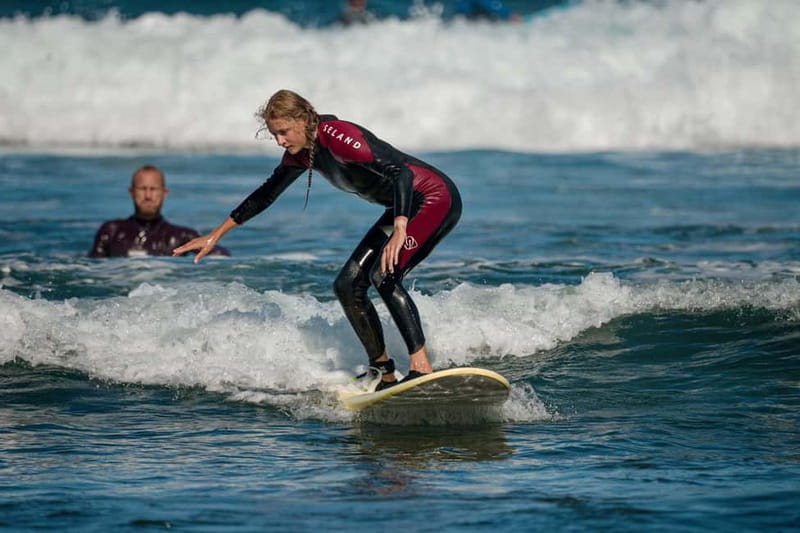
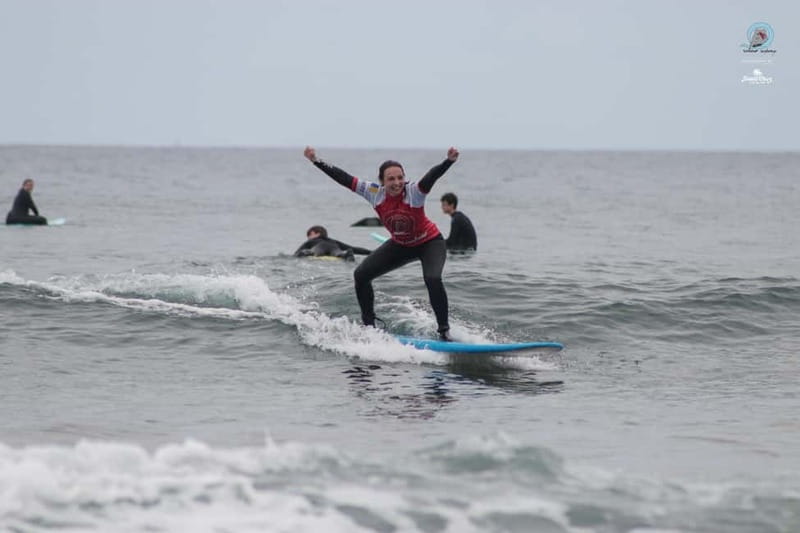
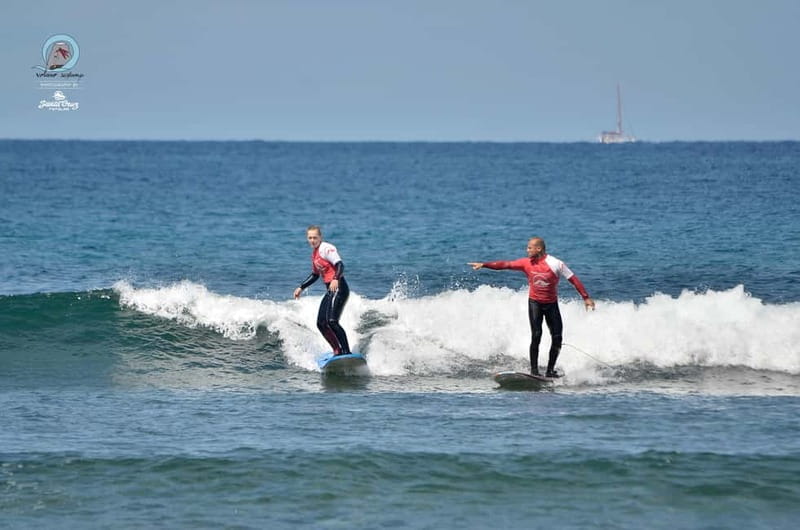
The heart of the lesson is the time in the sea, and the school emphasizes constant guidance. The instructor is always close, helping you catch waves and correcting you when needed.
In plain terms, this is where you stop guessing and start surfing with feedback. Beginners often struggle with the sequence: when to paddle, when to pop up, and how to keep your balance. An instructor close by can adjust your timing and posture quickly, before you lock in bad habits.
You can also learn safer habits right away. The session includes instruction on entering the water safely, so you are not figuring that out on the fly while everyone else is already riding.
I also took note of real experiences from the guide. People have specifically praised instructor Israel for moving kids to surfing quickly, and for creating an atmosphere where everyone feels comfortable learning. Another big theme: the vibe stays upbeat, not stressful. If you feel calm while you are learning, your technique improves faster.
One small consideration: this is not an “unlimited session in the water” style. It is structured for 2 hours total, so you want to be mentally ready to work, learn, and reset when you wipe out. If you want lots of long rides, ask about what conditions might allow, because at least once the instructor checked in with the group and extended the session when conditions improved.
Heading further into Tenerife? Here's what else is nearby.
Equipment, Clothing, and What to Pack So You Are Not Rushing
Good gear removes friction, and this lesson includes the essentials: wetsuit, board, and boots. That is a big part of the value, because you do not need to rent or buy gear just to try surfing.
But you still need to bring a few items:
- Swimwear
- Towel (not included)
- Sunscreen
- Flip-flops
- Beachwear to change into
- Passport
- Cash and/or a credit card (they mention both)
- Beach basics for comfort before and after
Here is my practical take: pack like you are heading to a swim plus a workout. Bring your towel so you can dry off comfortably after the lesson. Bring sunscreen because the session happens on a famous beach in open sunlight. Bring flip-flops to move around without stepping on hot or rough surfaces after you change.
Also, the course is not suitable for everyone, so pay attention to your fit before you spend time packing. If you are dealing with a cold, have back problems, are pregnant, or you are not comfortable swimming, you should not assume the wetsuit and instruction will make it fine. The lesson explicitly lists these limits.
Price and Value: Is $38 Fair for 2 Hours?
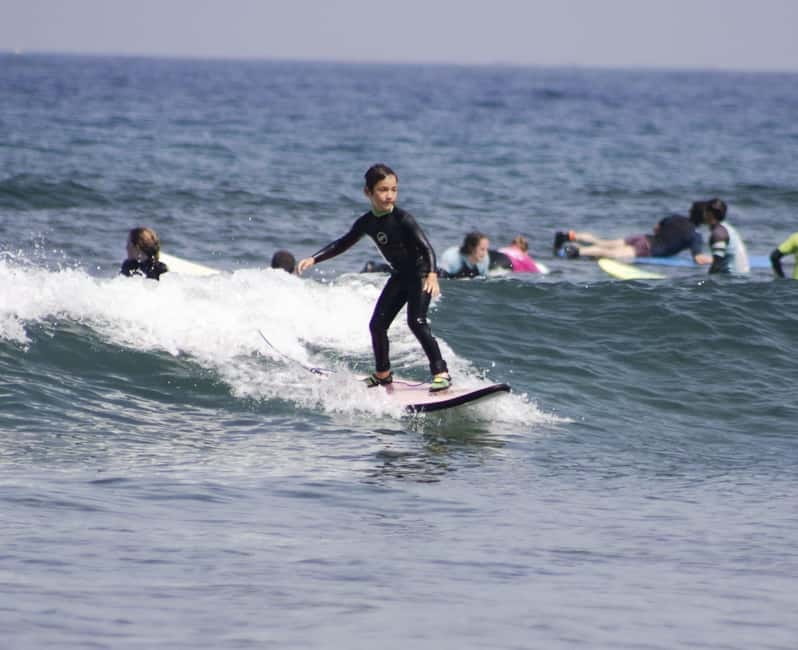
At $38 per person for a 2-hour surf lesson, the pricing looks strong on value because so much is included. You are not just paying for time. You are paying for:
- A titled instructor
- Full equipment (wetsuit, board, boots)
- Civil/medical insurance
- Water and fresh fruit after the lesson
- A small group limit (up to 6)
If you have ever rented surf gear elsewhere, you know the cost can add up fast. Here, the essentials are included, so you can show up light. On top of that, the instructor support is close and hands-on, which is what beginners need. That makes the difference between trying surfing and actually learning something.
Two other value points stand out. First, you get both theory and practice. Many “intro” experiences skip the shore basics and then wonder why people cannot stand up. Second, there is an optional professional photo purchase, which can be a nice souvenir if you like having a visual record.
About the duration: it is 2 hours total, and sometimes it can turn longer if everyone agrees and conditions allow. If you are the type who wants repeat practice, you might consider coming back for a second session once you understand the basics.
Who This Surf Lesson Is For (and Who Should Skip)
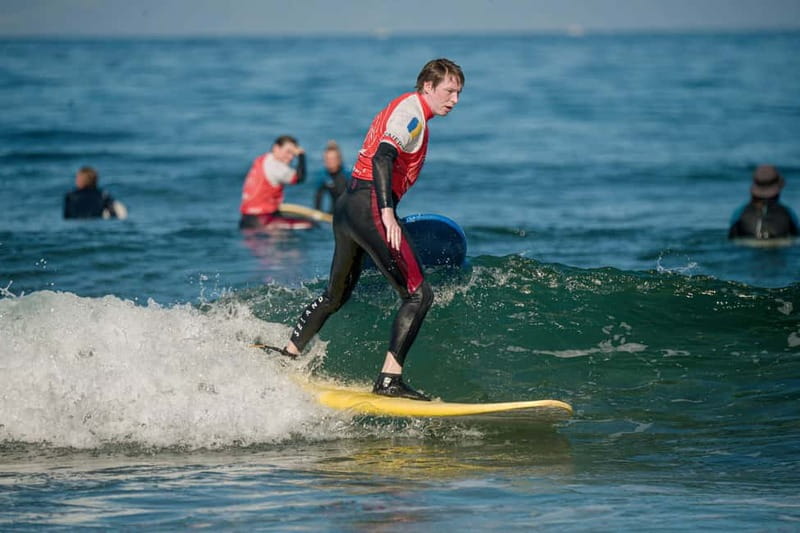
This class is designed for beginners and intermediate surfers, and the structure supports that mix. If you are new, you will start with safety and fundamentals, then practice your first wave attempts with an instructor close by.
If you are intermediate, you can still benefit because corrections are part of the session. You will likely work on stance, timing, and better ways to catch waves based on your current level.
Still, the school is clear about who should not book:
- Children under 10
- Non-swimmers
- Pregnant women
- People with back problems
- People with a cold
- People with haemophilia
- People over 55
They also note that it requires a moderate level of fitness because it is an extreme sport. That is the key line. If you can swim comfortably, and you can handle physical activity, you will probably be fine. If you cannot, it is better to choose a different activity that fits your body and safety needs.
My recommendation: be honest with yourself about fitness and comfort in open water. Surfing rewards confidence, and confidence is hardest to find when you are worried about basic safety.
The End of the Lesson: Clothes, Feedback, and Small Extras
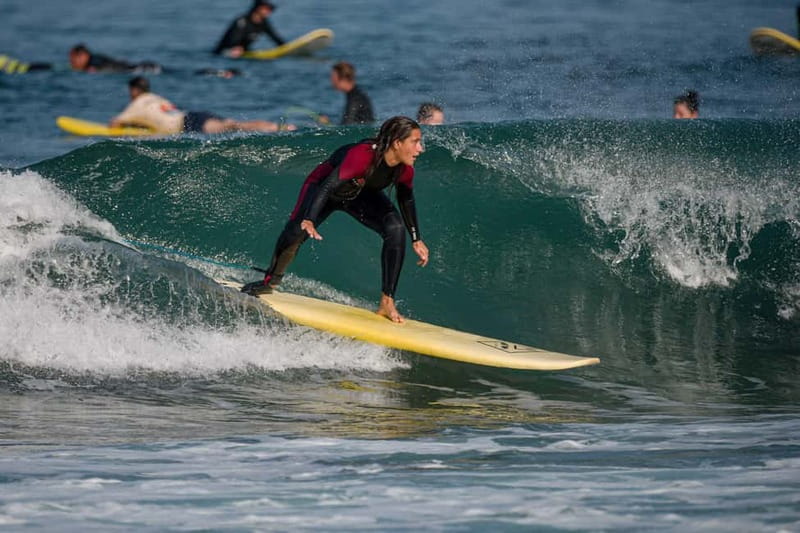
After your time in the water, you head back to the school. You leave the equipment, change clothes, and talk through what you felt in the sea.
That “comment on the lesson and sensations” part is underrated. Surfing teaches you through repetition and feedback, but your memory gets fuzzy once you are dry and warm again. Having a short debrief helps you remember what worked, what did not, and what to focus on next time.
You also get water and fresh fruit after the session. It might sound like a small thing, but it makes the whole experience feel complete. You are not stumbling around hungry, and you can recover before you head back to the rest of your Tenerife day.
Photos, Action Cams, and How to Capture Your Progress
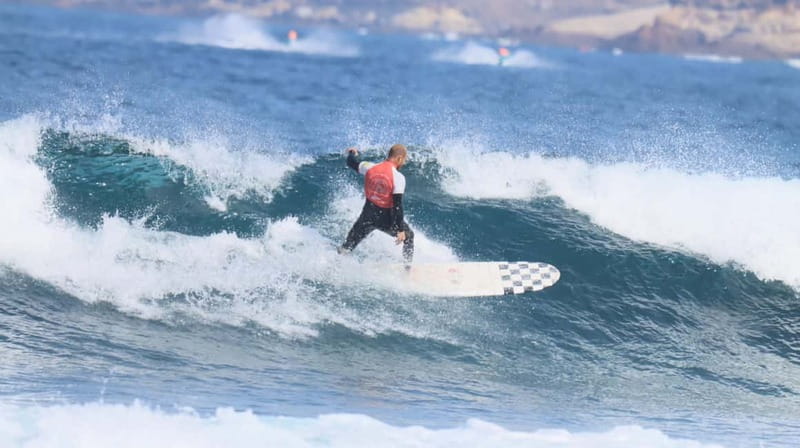
You can buy personal pictures taken by a professional photographer. That is useful if you want proof you were actually on the board, especially when you are new and you might not remember every attempt.
One review note to keep in mind: some people wished they had more practice time for longer rides, and one suggestion was to bring an action cam for memories because they are not focused on video for every participant.
So, decide what kind of souvenir you want. If you are okay with photos and a single recorded moment, you can rely on what is offered. If you want your own replay of your technique, consider bringing an action cam, but only if it is allowed by the activity rules and you follow safety and conduct guidelines.
Should You Book This Surf Lesson?
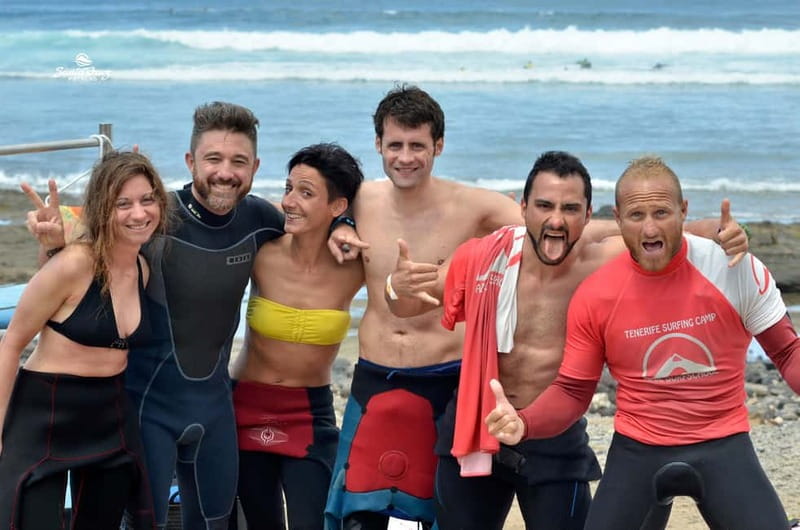
Yes, if you want a structured intro to surfing in a famous Tenerife spot, with small group coaching and included gear. It is especially worth it if you like clear instruction, want an instructor close by for corrections, and enjoy meeting people from different countries.
Book it if:
- You are a beginner who wants safety and basics fast
- You are intermediate and want technique feedback
- You want a 2-hour activity that feels active and outdoorsy, not passive
Skip it if:
- You do not meet the fitness requirement for an extreme sport
- You are a non-swimmer
- You fall into any of the listed not suitable categories, like kids under 10, pregnancy, back problems, or certain health conditions
If your goal is to actually stand up, catch at least a couple of waves, and leave with a plan for what to practice next, this is a solid choice. The combination of theory, close coaching, and included equipment makes the experience feel like learning, not just trying.
Just Added to the Tenerife Lineup


Tenerife Surf Lessons, compared.
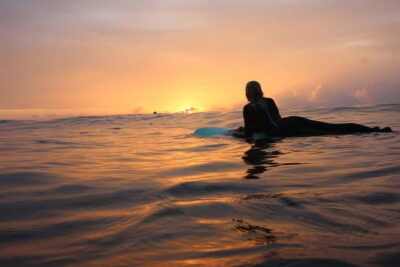
Surfing Lesson for All Levels, Photos included
Read our review →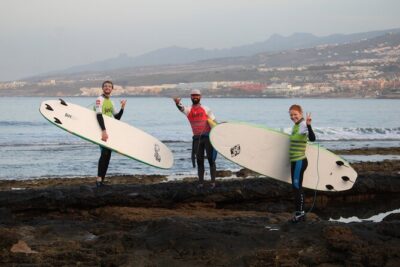
Group Surfing Lesson at Playa de las Américas, Tenerife
Read our review →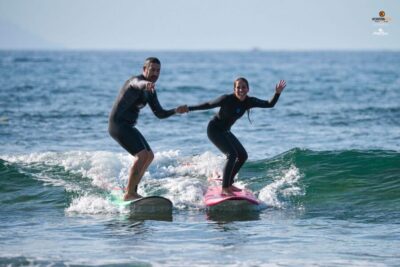
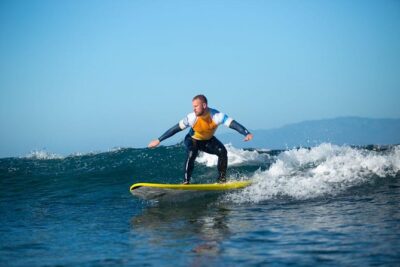
Surf in Tenerife – Photos Included & Stand Up From Day One
Read our review →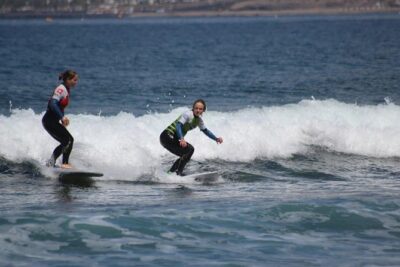
Private Surfing Lesson at Playa de las Américas
Read our review →
Browse the lists this tour appears in