
Reviewed · COSTA ADEJE EXCURSIONS
Costa Adeje | Cetacean sighting in Tenerife South
A boat trip off Costa Adeje, tuned for wildlife. I like the small group size and the way the engines switch off during sightings, plus the hydrophone so you can hear communication. One thing to plan for, Tenerife waters can be choppy, so if you get seasick bring tablets and keep your days flexible.
You’ll head out for about 2.5 hours on the Papacho 2 with a maximum of ten people, led by an expert biologist guide in English. The focus is practical and respectful: approach without crowding, keep distance from animals, and let behavior stay natural. If you expect a loud party cruise, this is not it, but if you want real wildlife time, it’s a strong pick.
You meet at Av. de Colón, 4, Costa Adeje, then return there at the end. The main payoff is simple, you’re on the water with a crew that treats cetaceans like living neighbors, not photo props, which makes the whole outing feel calmer and more worthwhile.
In This Review
- Key highlights I’d circle first
- Costa Adeje whale watching starts with a small-boat rule
- What your biologist guide actually does on board
- Hydrophone whalesong: hearing what most tours miss
- How the crew approaches cetaceans without crowding them
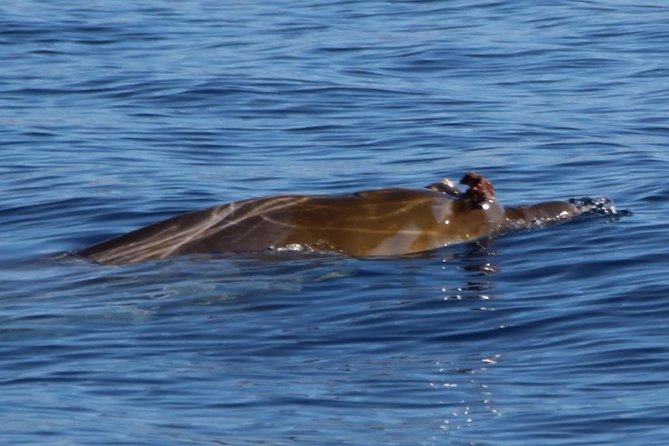
- What you might see in Tenerife South
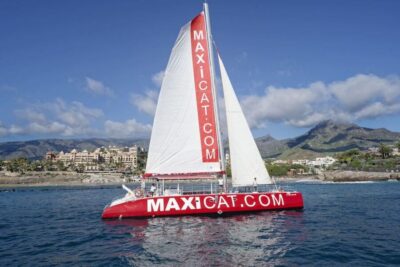
- The ride itself: what comfort is like on Papacho 2
- Price and value: $71.35 for a quieter kind of whale time
- When this tour is the right fit, and when it is not
- Smart tips before you go in Costa Adeje
- Should you book Atlantic Eco Experience in Costa Adeje?
- FAQ
- How many people are on the boat?
- How long is the eco cetacean sighting tour?
- What animals might I see?
- Is the tour offered in English?
- Does the tour use a hydrophone?
- What happens if weather is bad?
Key highlights I’d circle first
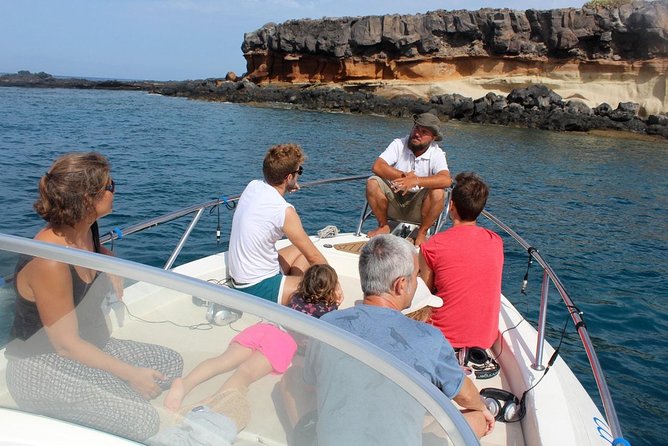
- Max 10 people on board for better spotting and more back-and-forth with the biologist
- Hydrophone during the sighting so you can hear whalesong and other communication sounds
- Engines switched off once cetaceans are nearby, to reduce disturbance
- Respectful approach rules that prioritize animal space and natural behavior
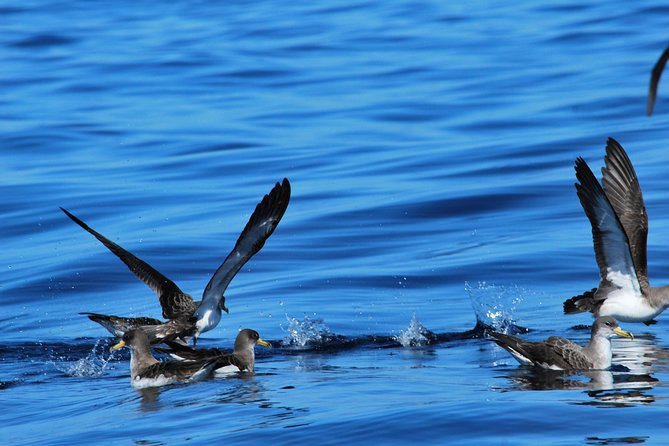
- More than whales are possible too, including dolphins, porpoises, sea turtles, and seabirds
- Tighter experience feel than big-boat cruises, with less noise and more time watching
Costa Adeje whale watching starts with a small-boat rule
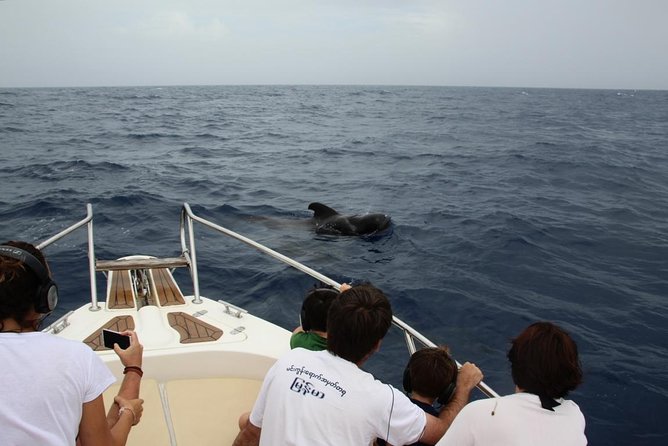
This is eco whale watching in Tenerife South with a very clear design choice: keep the group small. The boat has space for up to ten passengers, which means you are not stuck behind a crowd. In practice, that usually leads to faster spotting, fewer blocked sightlines, and questions that actually get answered.
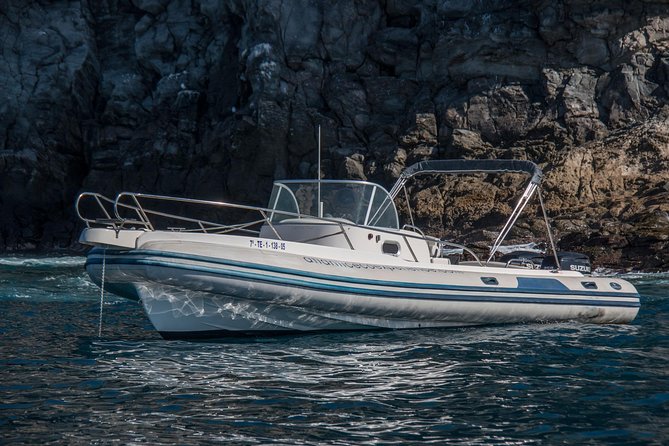
The operator runs the tour on Papacho 2, and departures are timed to the agreed schedule. From the meeting point at Av. de Colón, 4 in Costa Adeje, it’s easy to fit into a vacation day. You also get a straightforward session length, about 2 hours 30 minutes from start to finish, and the tour ends back where you started.
What this means for you is pacing. You are not rushing across the coast for quick glimpses. Instead, you spend real chunks of time on the water, and when wildlife comes near, the approach is slow and quiet.
The resort coast, without the resort crowds
- Costa Adeje: Whale & Dolphin Eco-Cruise with Snacks & Drinks
★ 4.6 · 5,096 reviews - Costa Adeje: Whale Watching Catamaran Tour with Drinks
★ 4.7 · 3,653 reviews - Whale Watching Eco-Adventure from Costa Adeje
★ 5.0 · 2,066 reviews - Costa Adeje: Whale & Dolphin Submarine Vision Mini Cruise
★ 4.5 · 2,043 reviews - Costa Adeje: Whale and Dolphin Cruise with Food and Pickup
★ 4.3 · 1,604 reviews
What your biologist guide actually does on board
The tour isn’t just a ride with a narrator. There’s an expert biologist guide who explains what you might see and why it matters for conservation. Expect discussion that connects animal behavior to real pressures in the ocean, then ties it back to what the crew is doing during the sighting.
On some departures, you can also hear stories and details that make the animals feel more specific, like pilot whale behavior and why Tenerife’s waters are a good place for them. The tone tends to be lively, with humor mixed into science, which matters on a 2.5-hour outing. Long explanations can kill your energy, but this kind of guided storytelling tends to keep people paying attention.
Another useful point is how the crew shares context as sightings happen. When you’re watching, it’s easier to understand what you’re seeing if the guide explains it in plain language, then points out the relevant signs, like body shape differences, group behavior, and typical surfacing patterns.
Hydrophone whalesong: hearing what most tours miss
If you care about the soundscape of the ocean, this is the standout feature. The crew launches a hydrophone during the sighting so you can listen to the calls whales use to communicate, and sounds related to hunting behavior.
Most whale watching is visual only. You might catch a breach or a close surfacing, but you miss the underwater part that scientists and conservationists pay attention to. With the hydrophone, you’re not just watching a whale surface, you’re also getting a sense of what’s going on below.
I also like that the hydrophone is used in the same moment as the wildlife encounter, not as a random add-on earlier in the day. It’s timed for when there’s actual activity, so it feels connected to what you’re seeing.
How the crew approaches cetaceans without crowding them
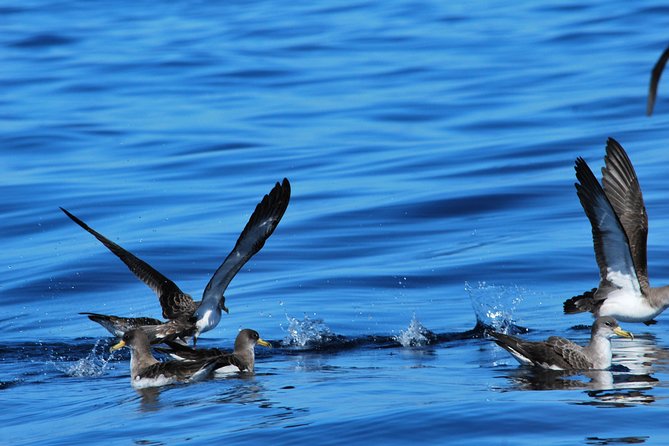
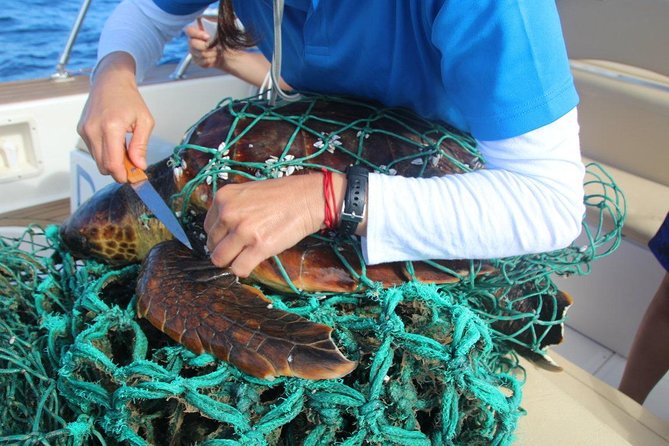
This is where the eco part becomes more than a marketing word. The plan includes approaching cetaceans, sea turtles, and seabirds while respecting animal space and avoiding interference with normal behavior.
When cetaceans are near, the crew switches off the boat engines. That single choice changes the experience. Quieter water means less stress on the animals and less noise for you, and it also improves the odds of hearing natural sounds when the hydrophone is in use.
You’ll likely spend some time coasting or holding position, then letting whales and dolphins decide how close they want to come. Several people describe the feeling as calm and non-invasive, even when the animals come near the boat. You get the best kind of wildlife viewing, where you’re present, but you’re not dominating the scene.
Other things to do around Tenerife
What you might see in Tenerife South
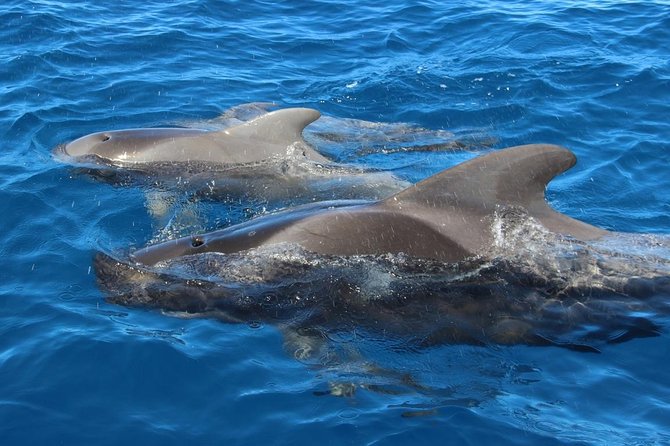
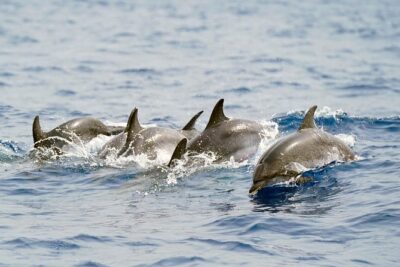
You can’t guarantee species, but the tour is built around cetaceans and often includes:
- Whales, dolphins, and porpoises
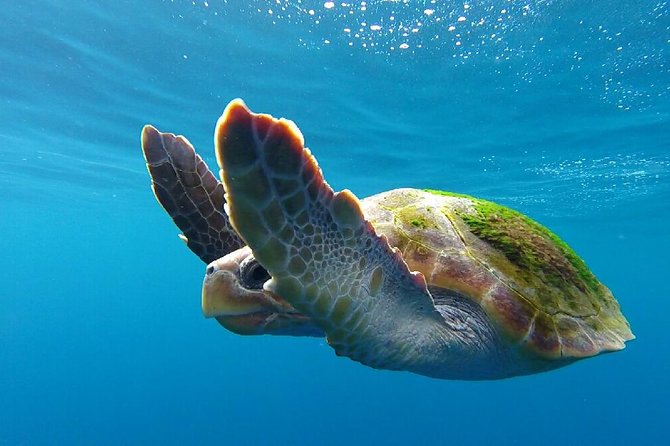
- Possible sea turtles
- Possible seabirds showing up around feeding or windswept waters
Depending on the day, some sightings reported include pilot whale family groups and other cetacean types. The crew’s focus is on identifying behavior and explaining what it suggests, not on chasing one specific animal at any cost.
The ride itself: what comfort is like on Papacho 2
Let’s talk about the part that determines whether you enjoy the experience or remember it as a struggle. On open water, conditions can change fast around Tenerife, and even calm days can create rocking.
A key practical tip from the experience: if you get motion sick, take travel sickness tablets beforehand. Even with precautions, you may still feel it, but planning helps.
The boat setup also tends to keep you close to the water line for better viewing. People describe the boat ride as intimate rather than the cattle-car experience you get on large whale cruises. With fewer passengers, you’re more likely to see when animals surface close, and you spend less time craning over strangers.
The crew also serves a cold drink toward the end on many trips. That’s a small detail, but it helps if you’ve spent the morning or part of the day baking in the sun and salt air.
And yes, there are restroom facilities below deck. If you’ve ever been stuck on a long boat without a bathroom, you already know why that matters.
Price and value: $71.35 for a quieter kind of whale time
At $71.35 per person for roughly 2 hours 30 minutes, this isn’t the cheapest option you’ll find. But it’s also not built like a budget conveyor belt.
You’re paying for three things that actually affect your experience:
- Small-group capacity (maximum of ten), which improves viewing and interaction
- A biologist guide with on-topic conservation and behavior explanations
- Active listening tools like the hydrophone, plus engine-off handling during sightings
If you compare this to big boats, the value is often clear. Large cruises can be cheaper per person, but you pay with crowding, noise, and less time watching the same animal group carefully. Here, the trade is different. You’re more likely to feel like you’re sharing the ocean with the animals, not fighting for space.
Also, booking timing matters. On average, this type of tour gets booked about 17 days in advance, so if you’re traveling in peak season, lock in your spot earlier rather than later.
When this tour is the right fit, and when it is not
This fits best if you want:
- Eco-minded whale watching where the crew prioritizes animal space
- A small group experience where the guide can answer questions
- A chance to hear whales through a hydrophone, not just watch from the surface
- Wildlife time that feels calm and respectful
It may not be ideal if you want:
- A party atmosphere with music and lots of on-deck entertainment
- A guaranteed list of exact species on every outing
- A boat experience that is always smooth. If you’re sensitive to motion, plan carefully
The best match is a broad range of ages too. People describe a wide age spread on board, and the pace works for families as long as kids can handle the time on the water.
Smart tips before you go in Costa Adeje
You’ll enjoy this more if you show up ready for sun and spray.
Bring:
- Sun hat, sunglasses, and reef-safe sunscreen if you use one
- Water, and expect it to feel hot even out on the water
- A layer if you get cool after time on deck
- Travel sickness tablets if you’re prone to it
Also, keep expectations realistic. The crew can’t force whales to appear. What they can control is how the boat behaves when animals are present. This tour’s approach is built to maximize chances without pushing the ocean too hard.
And finally, be mentally ready to pause and watch. Some of the best moments happen when you stop trying to spot the next thing and let the whales do their thing.
Should you book Atlantic Eco Experience in Costa Adeje?
If you’re choosing between a huge whale cruise and a smaller eco boat outing, this one is hard to dismiss. The small max group size, the biologist-led focus, the hydrophone during real sightings, and the engine-off rule are all practical reasons to pick it.
I’d book this if you want the experience to feel respectful and educational, with real time on the water rather than constant crowd movement. If you hate motion or know you’ll feel sick no matter what, you may want to consider gentler options or at least plan for tablets and timing around forecasted conditions.
Bottom line: if your goal is to see and hear cetaceans in Tenerife South while treating them as wildlife, not targets, this is a strong match.
FAQ
How many people are on the boat?
The tour caps the group at a maximum of 10 travelers.
How long is the eco cetacean sighting tour?
It runs for about 2 hours 30 minutes (approximately).
What animals might I see?
The tour is designed for cetaceans such as whales, dolphins, and porpoises. It may also include sea turtles and seabirds during the outing.
Is the tour offered in English?
Yes. The tour is offered in English.
Does the tour use a hydrophone?
Yes. During the sighting, the crew launches a hydrophone so you can listen to sounds whales use to communicate or hunt.
What happens if weather is bad?
This experience requires good weather. If it’s canceled due to poor weather, you’ll be offered a different date or a full refund.
Just Added to the Tenerife Lineup
Costa Adeje Excursions, compared.
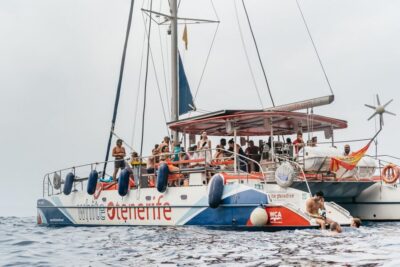
Whale & Dolphin Eco-Cruise with Snacks & Drinks
Read our review →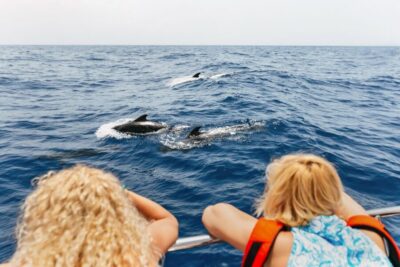
Whale Watching Eco-Adventure from Costa Adeje
Read our review →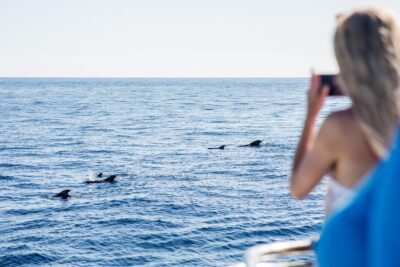
Whale and Dolphin Cruise with Food and Pickup
Read our review →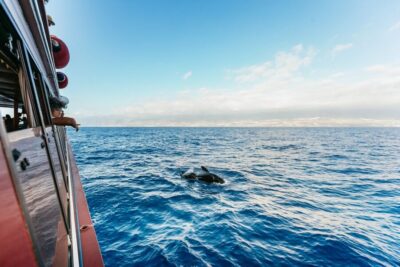
Whale and Dolphin Watching Cruise with Lunch and Swim
Read our review →
Browse the lists this tour appears in