
Reviewed · MOUNT TEIDE TOURS
Tenerife: Teide Peak Hiking 3715m
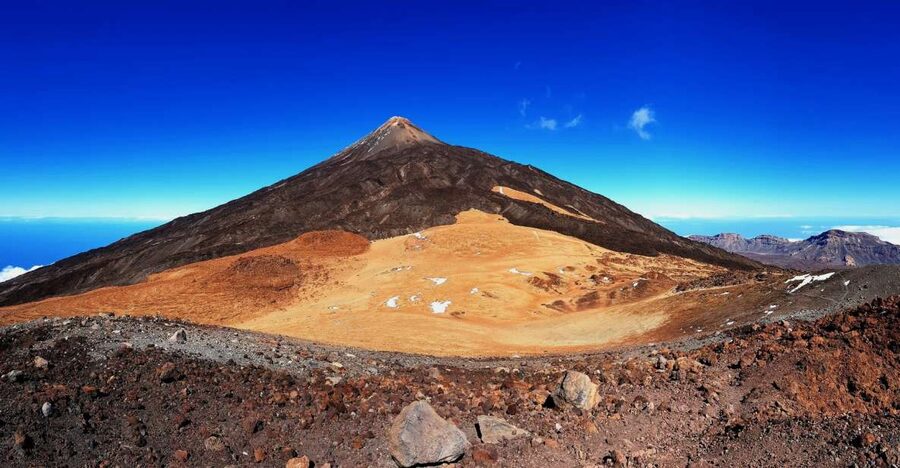
Teide makes you feel weightless. This hike takes you to Spain’s highest point at 3715 m with timed summit access and 360-degree views, all guided by experts who know how to read the volcano terrain and the weather. You’re walking on shifting sand and volcanic rock, and when clouds part, you get ocean and island views that feel impossible to forget.
The main consideration is the return. Even with the cable car option, you still need solid stamina, and if you choose to hike down, the Montana Blanca route is about 10 km with roughly 1400 m of elevation change, so it is not a casual finish.
In This Review
- Key things you will notice on this Teide hike
- Teide at 3715 m, why this day feels bigger than Tenerife
- Who this hike fits, and who should skip it
- Permit timing, meeting point, and how your day really starts
- The climb itself: volcanic ground, altitude, and traction surprises
- Summit views at 3715 m: the 360-degree payoff
- Returning down: cable car option vs. Montana Blanca on foot
- Guide quality: Peter, Evelyn, and what a real pro changes
- Gear and clothing: what is included, and what you still must bring
- Price and value: is $199 worth it?
- Practical planning tips so your day goes smoothly
- Should you book Teide Peak Hiking 3715 m?
- FAQ
- How long is the Teide peak hiking experience?
- Is the cable car included in the price?
- Do I need a permit to reach the summit?
- What should I bring for the hike?
- What gear is included?
- What languages are the live guides?
- Who is this tour not suitable for?
Key things you will notice on this Teide hike
- A permit-based summit time: the day is paced around getting up to the peak at the scheduled moment
- Small group size (up to 10): you get more hands-on help when conditions turn cold or slippery
- Qualified mountain guidance: guides handle route choices and keep you safe on exposed volcanic ground
- Real summit conditions: even in lighter seasons, you might hit snow or ice and need traction support
- Gear that reduces guesswork: poles and a headlamp are included, plus warm layers if you need them
- Two descent styles: cable car down is simpler, hiking down is longer and more demanding
Teide at 3715 m, why this day feels bigger than Tenerife
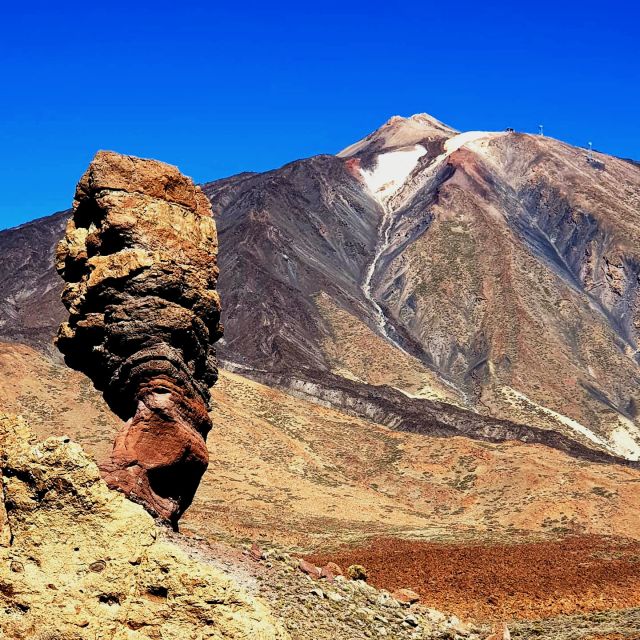
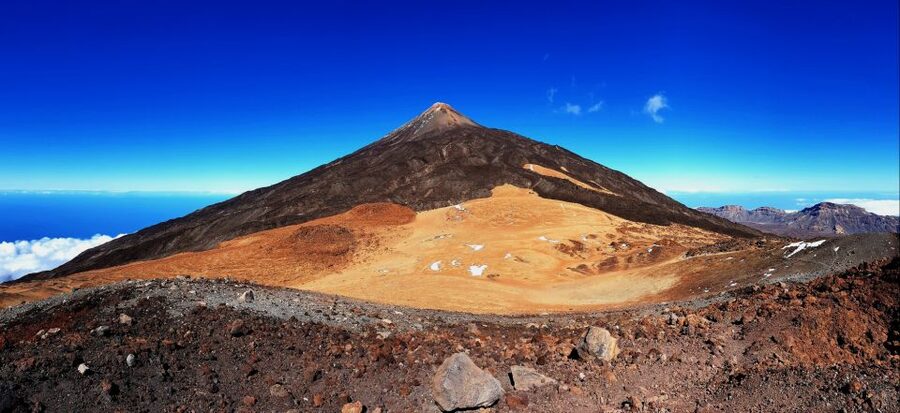
Teide is not just a hike. It is an altitude experience plus a volcano experience, in one of the most dramatic settings in Spain. The summit sits at 3715 m, and once you’re up there, you get a 360-degree panorama of Tenerife and the surrounding islands, plus that clear feeling of being above the weather.
What I like most is how the hike connects you to the place. You are not trudging through a green trail to a view, you are moving across volcanic ground, with rock colors and textures changing as you climb. One guide makes a huge difference here, because they help you understand what you’re walking on and why the park looks the way it does.
The other big win is the summit timing. Your climb is built around receiving the permit for the peak at a specific time, which helps the experience feel organized instead of chaotic. It also means you are not just hoping you beat the crowds, you are planning around a schedule that matters.
For the permit-only trail to the top
- Tenerife: Mount Teide Summit Hiking Adventure with Cable Car
★ 4.3 · 688 reviews - Night Hike to Summit of Teide for Sunrise and the Volcano Shadow
★ 5.0 · 25 reviews - Tenerife : Teide Hiking
★ 4.5 · 11 reviews
Who this hike fits, and who should skip it
This is a serious mountain outing, even though it is only 6 hours listed for the overall experience. It includes a summit climb, high exposure to cold wind, and uneven terrain. If you’re comfortable on rocky uphill and you can handle changing traction underfoot, you will likely feel at home.
It is not suitable for people over 65, people under 3 ft 9 in (120 cm), pregnant women, children under 12, people with mobility impairments, or people with high blood pressure. That restriction list is worth taking seriously, because Teide is high, and weather can shift quickly.
If you’re unsure, decide based on your practical ability, not your enthusiasm. Ask yourself if you can hike steadily uphill at altitude, keep your footing on volcanic rock, and still function at the end of the day when you are tired. This hike rewards the prepared.
Permit timing, meeting point, and how your day really starts
Your day centers on the summit permit. The plan is to go up to the peak as soon as the permit is received, so the exact timing depends on that schedule. That affects when you depart, how long you spend below the summit area, and when you push to the top.
You meet outside of the barrel. Also, do not go up to the cable car station without your guide. That sounds small, but it matters because your group is likely coordinated around the permit timing and the group plan for the climb and descent.
Small group also means you get clearer instructions. The guide can manage gear checks and make adjustments without losing people. With up to 10 participants, you are not one face in a crowd, you are part of a moving team.
The climb itself: volcanic ground, altitude, and traction surprises
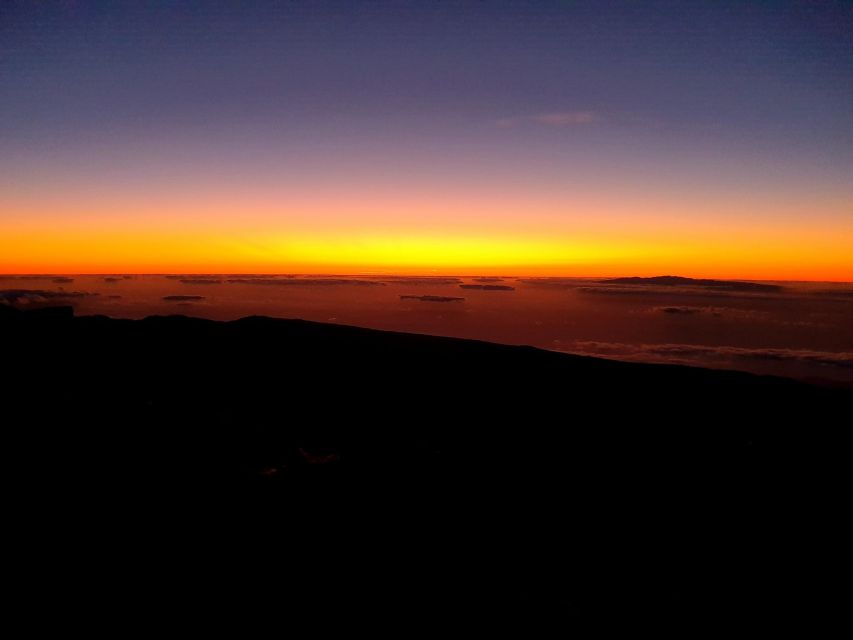
The hike runs through a classic Teide setting. You will be walking over volcanic sand and rock, and the surface can feel different from step to step. That is part of the fun, but it also means you need good footing habits.
What surprised me in the feedback is how real the winter conditions can be. In snowy or icy moments, people reported needing traction for short sections, including spikes or crampons when the trail was slick. This is where having trekking poles and a guide with mountain judgment becomes practical, not just nice.
You should also expect cold, especially near the summit. Even if the day starts mild, the summit elevation makes temperatures drop fast. Warm layers help, and the activity includes gear like a coat, sweater, hat, and gloves (or missing equipment you need), which cuts down on packing stress.
One more thing: pacing. Several people praised the guide’s knowledge and calm approach, but one comment noted that the guide walks at a brisk pace. The lesson for you is simple: if you want a slower rhythm, say so early. Ask the guide to keep you with the main group pace that feels right for you.
Still haven't picked a trail?
Summit views at 3715 m: the 360-degree payoff
Reaching the summit is the reason you book Teide. The prize is that 360-degree panorama, where the surrounding islands and the Atlantic feel laid out beneath you. Even if you’ve seen photos before, the experience is different in person because the atmosphere at that altitude changes how distance looks and how sharp the view feels.
Timing can also affect how crowded it feels. One person noted that the summit was not very crowded late in the day, and another shared that in a snowy and icy day, they were among the only people up at that moment. You cannot control weather or summit traffic, but the permit system and the planned timing help.
Also, the guide tends to turn the summit moment into something more than a quick photo stop. You get explanations about the park, the volcano, and what you are looking at. If you like learning while moving, this is a strong match.
Returning down: cable car option vs. Montana Blanca on foot
Here’s where you should make a clear decision before you start. There is an option to take the cable car down, and that costs an extra +24 EUR per person. If you want the easiest finish, that is the obvious choice.
But you also have the option to hike down via Montana Blanca. That route is about 10 km and includes around a 1400 m elevation change. It can be rugged, and the day can stretch longer than you expect, especially with late-season light or weather changes.
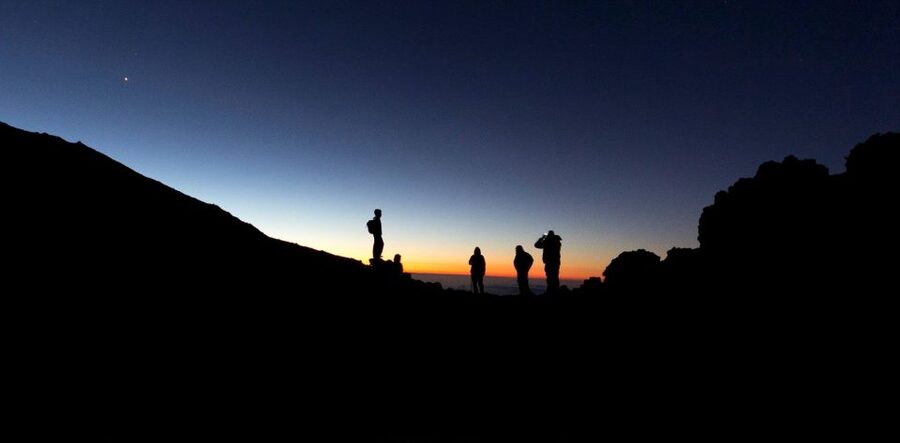
From the experience feedback, you can also encounter a more extended descent that runs close to night. One person described using a headlamp for the lower sections and continuing through the evening, with an extra star observation stop along the way. You might not have the same exact timing, but the takeaway is real: the descent can take longer than you plan, and the headlamp included for that reason is genuinely useful.
If you are choosing the hike-down option, only do it if you are confident with long descents on uneven ground. If you are less experienced, take the cable car. Your legs will thank you, and you’ll still get the summit achievement.
Guide quality: Peter, Evelyn, and what a real pro changes
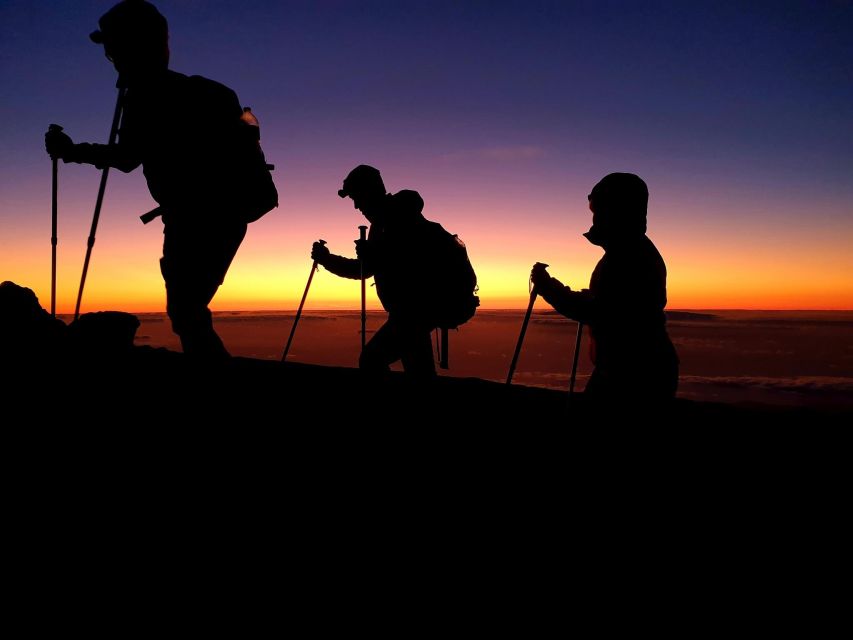
The reviews highlight that the guides are not just there to lead you up and down. They interpret what is happening around you. People praised the guides for explaining the landscape and history of Mount Teide, and for keeping the group safe through changing conditions.
Names you might hear include Peter and Evelyn. Multiple comments point to Peter’s professionalism and strong knowledge, plus Evelyn’s supportive role in getting people safely to the summit and back.
There is also a practical style benefit. In cold or icy conditions, a good guide knows what to adjust. Equipment can include traction support when needed, and the guide can decide how to manage the route so you keep moving without taking unnecessary risks.
Yes, one comment did mention that Peter walked quickly, and a few people had trouble keeping up. That does not cancel out the pros, but it is useful for you. If you need a slower pace, ask for it at the start. The best outcome is that you still reach the summit without racing your breathing.
Gear and clothing: what is included, and what you still must bring
Teide is not the kind of place where you want to wing it with your gear. The activity includes several key items that are easy to forget until you’re cold. You get trekking poles and a headlamp, plus ankle-high hiking boots if needed, and warm layers like a coat, sweater, hat, and gloves, along with other missing equipment.
You still need your basics. Bring a daypack, sunscreen, sportswear, warm clothing, hiking shoes, food and drinks, and comfortable shoes. A passport or ID card is also required.
Two practical notes for your packing:
- Think layers, not one thick jacket. The included warm layers help, but you still control what you wear underneath.
- Bring water and snacks. Even a well-managed 6-hour outing can feel longer at altitude, and you do not want energy crashes in the long descent phase.
If you are prone to cold hands, treat gloves like non-negotiable. People report snowy and icy sections, and even when you are dressed well, wind can make cold feel sharper at elevation.
Price and value: is $199 worth it?
At $199 per person for a 6-hour Teide hiking experience, it is not a budget casual option. But when you look at what is included, the value story gets clearer.
You are paying for:
- An official permit to go to the peak at a certain time
- A qualified mountain guide
- Liability and accident insurance
- Trekking poles and a headlamp
- Warm clothing and missing equipment if needed
- An organized small group experience (limited to 10)
That permit part matters. At places like Teide, access is not just a ticket you buy at the gate. Paying for a guided, scheduled permit setup reduces stress and improves how smoothly the day flows.
The only obvious extra is the cable car down entry, which costs +24 EUR per person if you choose it. Transport to the start point is also not included, so you need to factor that into your Tenerife budget.
I’d call this good value if you want a summit day with minimal planning stress and you want proper mountain gear. If you are experienced, already have traction and layered clothing, and you can organize your own permit and timing, you might find cheaper ways. But for most people, paying for the permit coordination plus guide support is worth it.
Practical planning tips so your day goes smoothly
Start by matching your expectations to Teide. This is a high, exposed hike with volcanic terrain and weather that can turn slippery. Do not plan to treat it like a sightseeing stroll.
Then plan around timing. Since the summit permit dictates your climb as soon as it is available, you cannot assume a set departure time from the start. Build margin into your day so you are not rushing dinner or your next activity.
Language is also a small but real factor. Guides offer English, Hungarian, and Spanish, which is great if you want to actually understand what you’re seeing, not just follow instructions.
Finally, decide on descent early in your mind. Cable car down is simpler, and the hike-down via Montana Blanca is longer and more demanding. If you are on the edge, lean toward the cable car. You still earn the summit, and you reduce the chances you end the day exhausted and stressed about timing.
Should you book Teide Peak Hiking 3715 m?
Book this tour if you want Spain’s highest point with an organized, permit-based summit time, a qualified mountain guide, and gear that makes the hike feel manageable even when weather turns. If you appreciate learning while you move, you will likely enjoy how guides explain the park and help you understand what you’re looking at from the top.
Do not book it if you fall into the listed restrictions, if you dread long uneven descents, or if you want a purely relaxed half-day with no altitude stress. Teide rewards readiness, and it does not care about casual plans.
If you like the idea of optional choices, you’ll like having the cable car down option. If you choose to hike down via Montana Blanca, make it a confident decision, not a last-minute hope.
In short: this is a real mountain summit day on Teide, with the kind of support that makes the difference between surviving the climb and actually enjoying it.
FAQ
How long is the Teide peak hiking experience?
The duration is 6 hours. Start times depend on availability and the summit permit schedule.
Is the cable car included in the price?
Cable car entry is not included. There is an option to take the cable car down for an extra +24 EUR per person.
Do I need a permit to reach the summit?
Yes. The experience includes an official permit to go to the peak of Teide at a certain time.
What should I bring for the hike?
Bring a daypack, sunscreen, passport or ID card, sportswear, warm clothing, hiking shoes, food and drinks, comfortable shoes, and water.
What gear is included?
You get trekking poles and a headlamp. Ankle high hiking boots are included if needed, and warm clothing such as a coat, sweater, hat, and gloves is included (plus missing equipment for the hike).
What languages are the live guides?
The live tour guide offers English, Hungarian, and Spanish.
Who is this tour not suitable for?
It is not suitable for people over 65, people under 3 ft 9 in (120 cm), pregnant women, children under 12, people with mobility impairments, and people with high blood pressure.
Spain's Highest Peak
- Tenerife: Mount Teide Tour with Cable Car Ticket & Transfer★ 4.3 · 5,094 reviews
- Tenerife: Teide National Park Sunset & Stargazing Tour★ 4.2 · 3,812 reviews
- Tenerife: Sunset and Stargazing at Teide National Park★ 4.7 · 2,826 reviews
- Teide National Park Sunset & Stargazing with Dinner (Star Safari)★ 5.0 · 2,601 reviews
- Teide National Park: Sunset & Stargazing Safari with Dinner★ 4.6 · 2,115 reviews
Just Added to the Tenerife Lineup
Mount Teide Tours, compared.
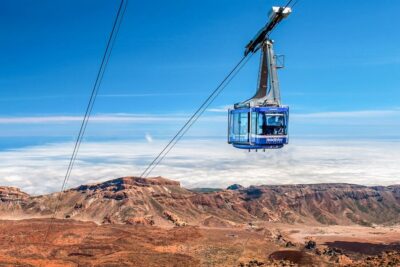
Mount Teide Tour with Cable Car Ticket & Transfer
Read our review →
Teide National Park Sunset & Stargazing with Dinner (Star Safari)
Read our review →
Teide National Park: Sunset & Stargazing Safari with Dinner
Read our review →
Mount Teide, Masca, Icod and Garachico Day Trip
Read our review →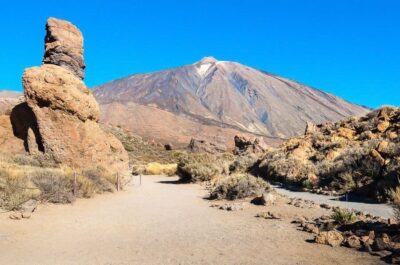
Teide National Park Full-Day Tour with Pickup
Read our review →
Browse the lists this tour appears in