
Reviewed · TEIDE STARGAZING TOURS
Tenerife: Teide and Stars
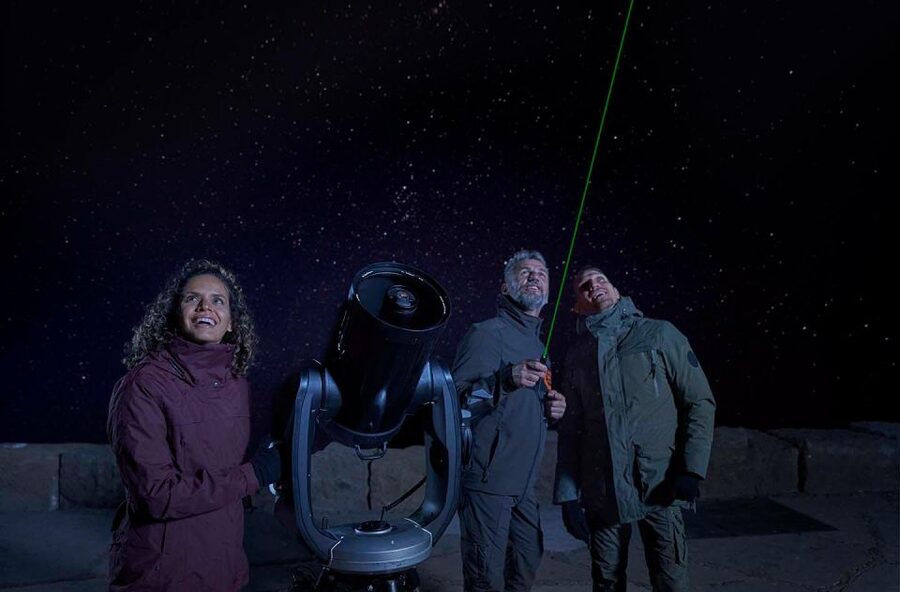
Teide at night hits different. You get certified stargazing at Mount Teide with long-range telescopes, plus a proper sunset from the park area. I especially like that the guides are Starlight Foundation certified, and the experience is set up for first-timers who want the sky explained in plain language.
The main consideration is cold. You’re up high, it can run around 10°C, and the rules are strict about clothing and shoes, so pack like it’s winter.
If you choose the cable car option, you’ll be looking out over Las Cañadas caldera and even the neighboring islands of La Gomera, La Palma, and El Hierro. And if you’re lucky with your guide pairing, you might get Abel and Josef, who were praised for making the whole night feel smooth and interesting.
In This Review
- Key things that make Teide and Stars worth your time
- Why Mount Teide makes the stars feel close
- The 6.5 to 8 hour flow, and how to pace yourself
- Option 1: Cable car to 3,555 metres for sunset over La Gomera, La Palma, and El Hierro
- Option 2: Teide Observatory tour for solar flares, sunspots, and nighttime telescopes
- Stargazing basics: what the Starlight certified guides actually do
- What to wear for a Mount Teide night, and what gets you turned away
- Price and value: what $86 buys you, and what might be extra
- Who should book Teide and Stars (and who should think twice)
- Common snags to watch for, based on real-world experience patterns
- Should you book Teide and Stars?
- FAQ
- FAQ
- How long is the Teide and Stars experience?
- Is round-trip transportation included?
- What do I need to bring for the tour?
- What footwear is allowed?
- Are children allowed?
- Are pets allowed on this excursion?
- What are the two optional add-ons for Teide and Stars?
- Is food included?
- Which languages is the tour available in?
- Is the Teide Observatory option available in French?
Key things that make Teide and Stars worth your time
- Starlight certified astronomy guides guide the session and your understanding of the sky
- Long-range telescopes help you see far more than naked-eye stars
- Two optional upgrades: cable car sunset from higher up, or a late-afternoon Teide Observatory visit
- Transport from both north and south Tenerife means less stress about timing
- Sunset + night sky in one outing lets you enjoy Teide as both scenery and science
- Strict dress code keeps the experience safe and comfortable for everyone
Why Mount Teide makes the stars feel close
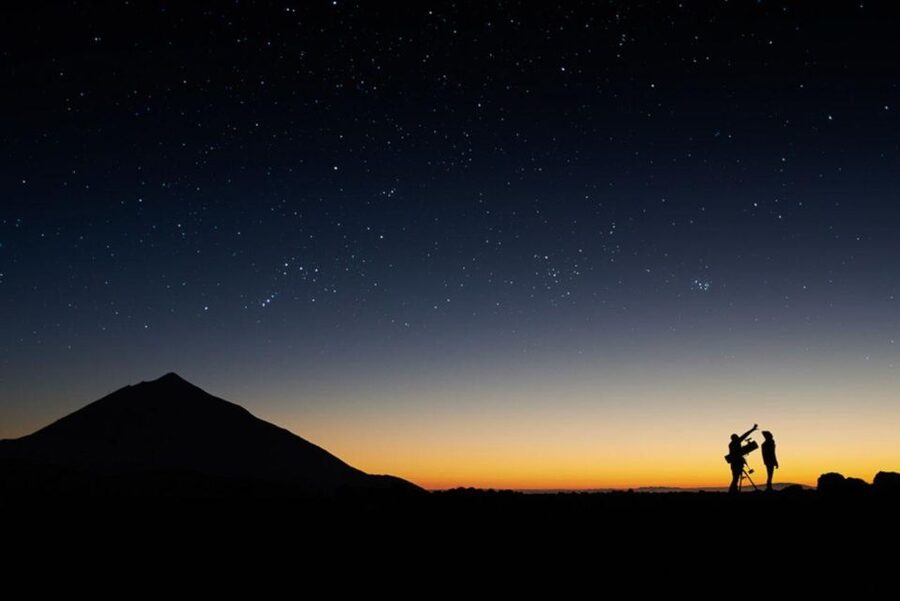
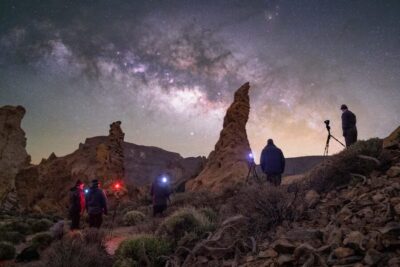
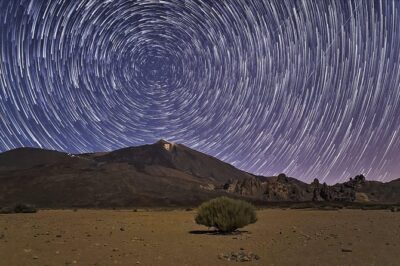
Tenerife’s Mount Teide is one of those places where the night doesn’t feel like background noise. At Teide National Park, the air and conditions are set up for astronomy, and the sky is described as among the three best starry skies in the world. That matters because star viewing is not just about having a telescope. It’s about having the sky cooperate.
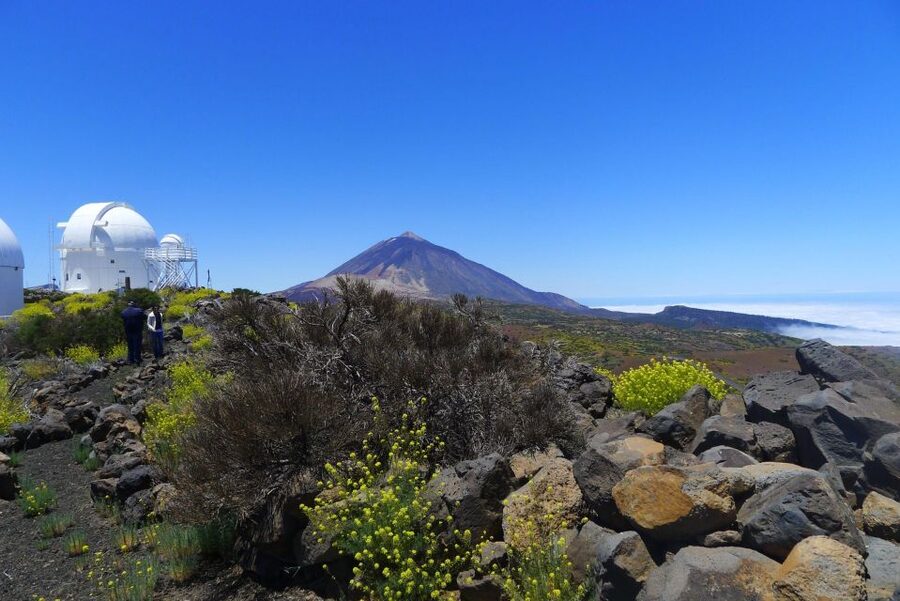
You’ll start in the early evening and watch the park shift as the light changes. The experience moves through different vegetation layers as you climb, starting from rural areas and rising through high mountain plant life and pine forest zones. That is not just scenery filler. It’s a gentle introduction to why Teide looks so dramatic: the terrain changes fast, and you feel the altitude in a very real way.
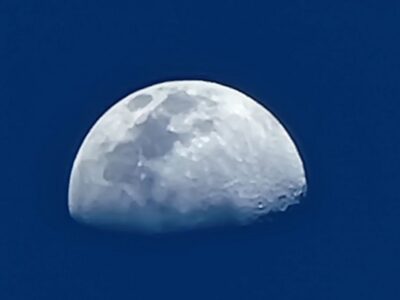
Then comes the payoff. You’ll enjoy a spectacular sunset from a viewpoint, and after it gets dark, you’ll switch from “wow, that view” to “look at that.” With the telescopes and Starlight certified guides, the night sky becomes something you can actually understand.
One of the clearest night skies anywhere
- Tenerife: Teide National Park Sunset & Stargazing Tour
★ 4.2 · 3,812 reviews - Tenerife: Sunset and Stargazing at Teide National Park
★ 4.7 · 2,826 reviews - Teide National Park Sunset & Stargazing with Dinner (Star Safari)
★ 5.0 · 2,601 reviews - Teide National Park: Sunset & Stargazing Safari with Dinner
★ 4.6 · 2,115 reviews - Teide by Night: Sunset & Stargazing with Telescopes Experience
★ 4.5 · 1,492 reviews
The 6.5 to 8 hour flow, and how to pace yourself
This outing runs about 6.5 to 8 hours, depending on which option you pick. Plan for an early evening start and a night that ends with clear focus on stargazing, not rushing through stops.
You’ll have return transport included from both north and south Tenerife. Pickup is optional in the south, with stops listed at places like Hotel Sol Arona Tenerife, Best Tenerife bus stop, Hotel Tigotán, and several others around Costa Adeje and Playa de las Américas area. The practical win here is simple. You spend your energy watching and learning, not navigating the island at night.
As you enter the park area, you’ll get a sunset viewpoint before the telescopes come out. That timing is important. If you show up only for stars, you miss how the sky starts changing color and how the mountain silhouette looks as night arrives. If you only care about the sunset, you might also miss the main reason Teide is famous. This tour does both in one sitting.
You should still be ready for a schedule that can feel a bit “tight but smooth.” One improvement suggestion I’d take seriously is asking yourself how long you have at each part, because that timing may not be detailed ahead of time for everyone. The best approach is to arrive prepared and keep your expectations flexible.
Option 1: Cable car to 3,555 metres for sunset over La Gomera, La Palma, and El Hierro
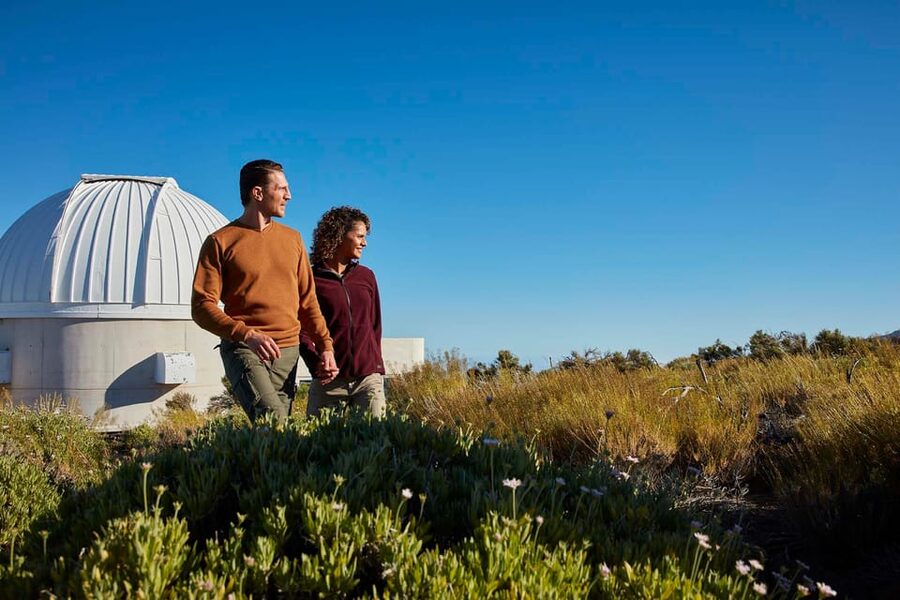
If you love views and altitude, the cable car option is the obvious choice. You’ll ascend and descend by cable car, reaching an altitude of 3,555 metres. That’s high enough that the scenery looks like a different world, with volcanic terrain and the Las Cañadas caldera spreading out below.
You’ll watch the sunset from high above, with standout views that include neighboring islands: La Gomera, La Palma, and El Hierro. The route is designed so the sun goes down while you’re already positioned for the best sightlines, not after you’ve shuffled around.
After returning to the cable car base station, you’ll have time for a picnic-style Teide-Dinner prepared for the occasion. Food is not included unless you’re on the cable car sunset ticket option, so this is one of the key value differences between the two upgrades.
A practical tip: if you choose this option, treat your clothing seriously. High altitude nights can turn uncomfortable fast, especially when you’re standing around for sunset and then waiting for the sky to fully darken. Closed-toe shoes and warm layers are not optional here.
Option 2: Teide Observatory tour for solar flares, sunspots, and nighttime telescopes
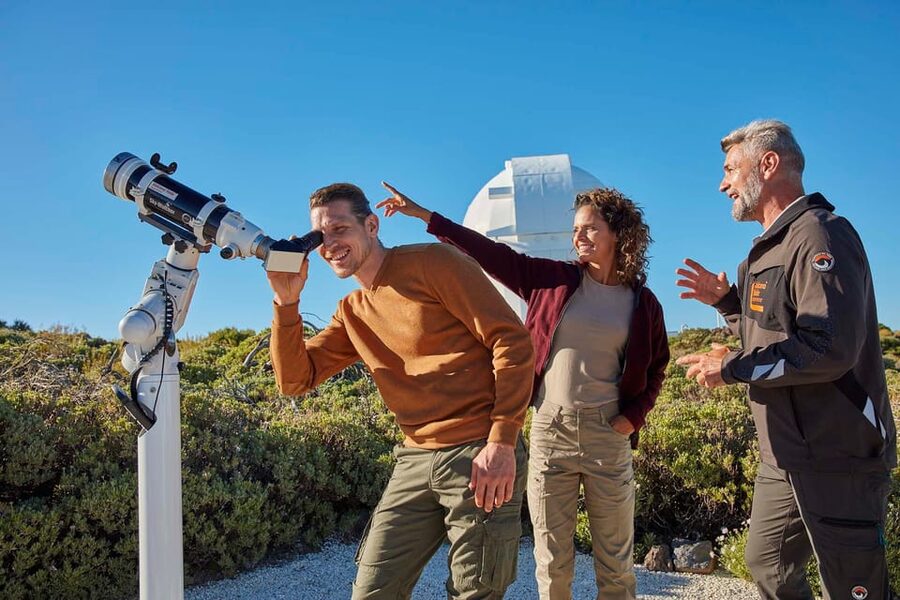
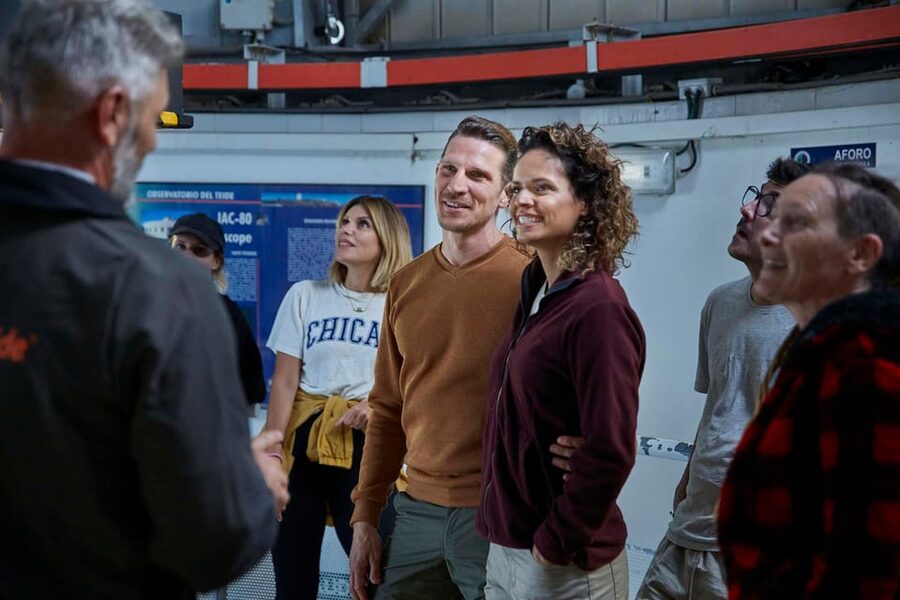
If you want a more “science-first” evening, pick the Teide Observatory add-on. This late-afternoon option includes a visit to the biggest solar observatory in the world, and then you continue with stargazing from the cable car base station.
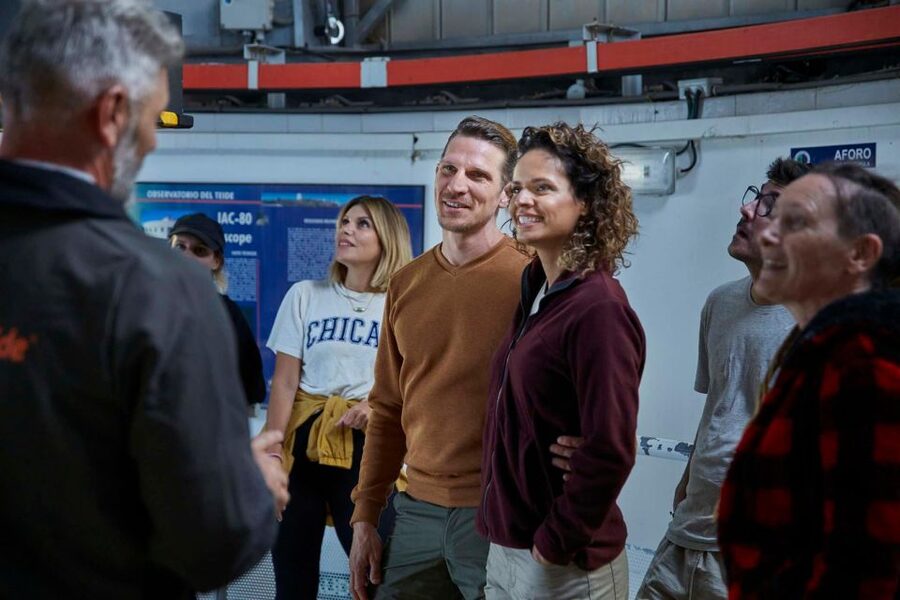
You’ll get a guided tour that includes a workshop format approach to astrophysics, plus a look at work done at the Canary Islands Institute of Astrophysics. You can observe solar activity through a solar telescope, including solar flares and sunspots, and you may explore inside a nocturnal telescope setup. Even if you’re not a science nerd, it helps you connect what you see in the sky later with how astronomers study it.
There are also real physical considerations. The observatory option isn’t recommended for people with health issues like anemia, heart problems, or breathing problems, and it isn’t a great fit if you have reduced mobility. The reason is simple: you move between places, walk along paths, and climb stairs.
One more detail to check carefully: the Observatory tour option isn’t available in French. If you need French, you’ll want to choose a different language plan or option.
The volcano that gives the island its shape
Stargazing basics: what the Starlight certified guides actually do
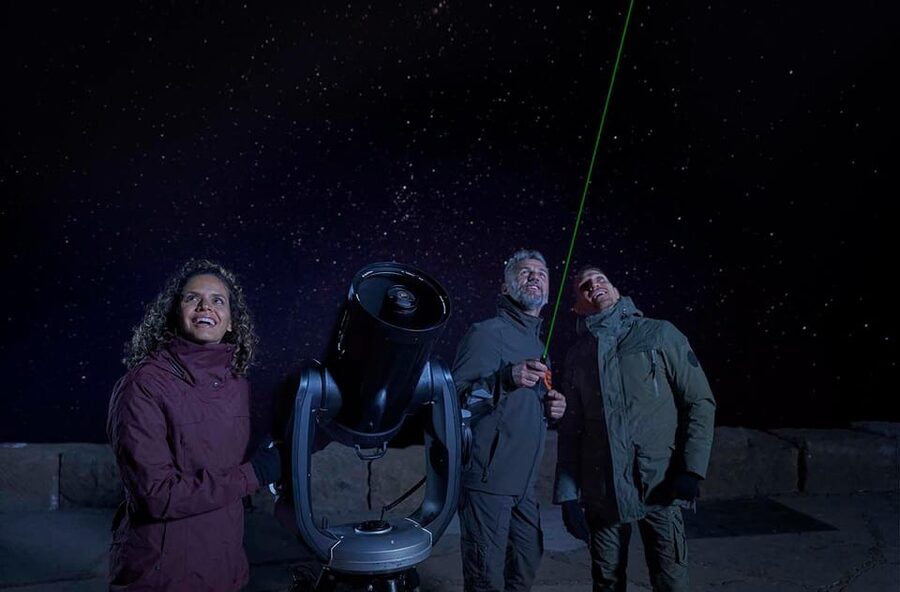
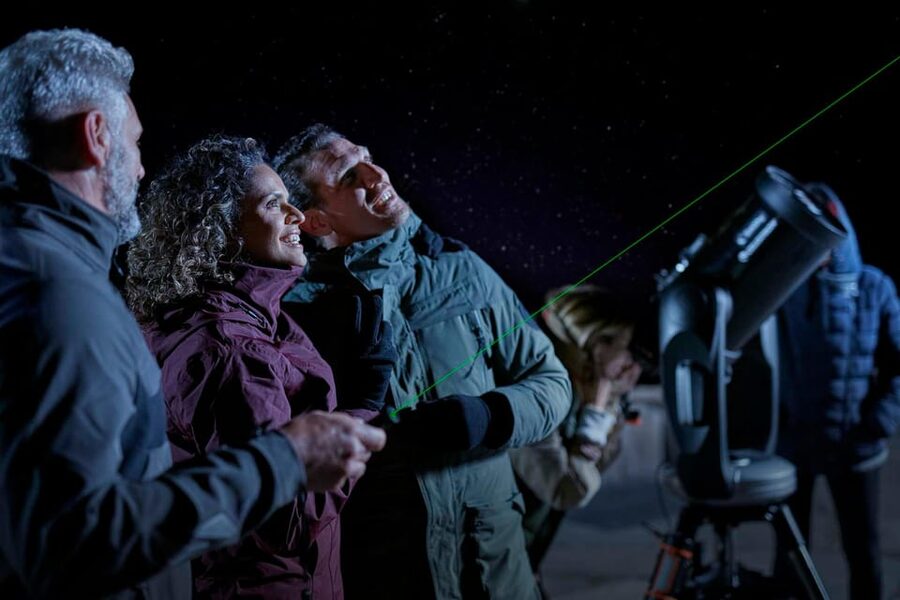
The core of this experience is the stargazing session using professional equipment and long-range telescopes. But the big difference is who runs the show. You’re with astronomy guides certified by the Starlight Foundation, which typically means you get more structure than a casual “look over here” moment.
The guides focus on revealing the universe in a fun, educational way. For many first-timers, that transforms the sky from a random pile of points into a map you start to recognize. Instead of guessing what you’re seeing, you learn what those objects are and why the telescope setup matters.
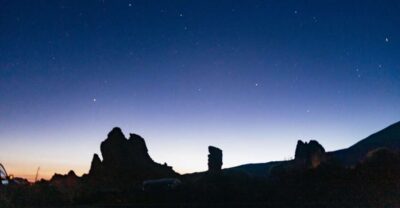
You’ll also notice that the experience is built around the shift from sunset to full dark. The park changes as night falls, and the telescopes make sense only once the sky is properly dark. The guides help you time your looking so you don’t burn your eyes on bright twilight.
If you’re the type who wants to ask questions, this is a good moment. The format is guided and interactive, and the whole point is that you don’t need prior astronomy knowledge. You just need patience and warm layers.
What to wear for a Mount Teide night, and what gets you turned away
This is not a flip-flop kind of night. The rules are clear, and they’re there for safety and comfort.
Bring:
- Warm clothing
- A hat
- Water
- Comfortable clothes
- Closed-toe shoes
Not allowed:
- Sandals or flip-flops
- Shorts
- Open-toed shoes
If you show up underdressed, you might not just feel cold. You might not be allowed to join. Low temperatures are part of the deal, and the mountain is not forgiving.
Age and comfort rules matter too. Children under 8 are not allowed, and proof of age may be required. Pets are also not allowed.
If you’re choosing the Observatory option, think about health and mobility needs. If you’re choosing the cable car option, think about heart conditions and pregnancy risk. The cable car sunset ticket isn’t open to people with heart conditions or pregnant women due to health risks at high altitude, and there are restrictions for some physical disabilities or motor impairments tied to evacuation risk.
That sounds strict, but it’s the kind of strict that keeps a night outing enjoyable for everyone.
Price and value: what $86 buys you, and what might be extra
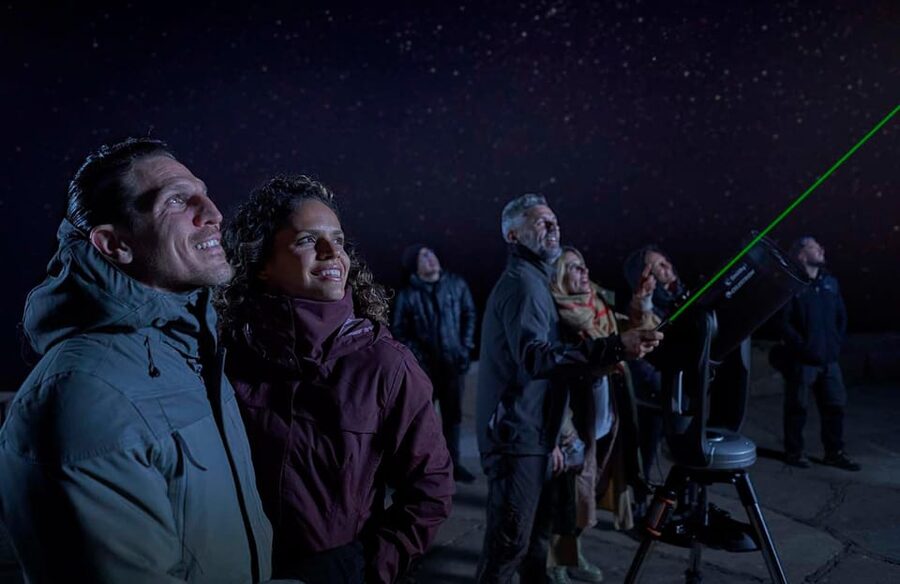
At around $86 per person, the value is tied to three things you get for that price: transport, certified guidance, and equipment-supported stargazing.
Transport is a big one. You get return transport from both north and south Tenerife, which saves you from figuring out late-night island logistics. If you’re staying away from the main areas, that alone can make the price feel reasonable.
Second is the guide quality and telescopes. This is not a vague “watch the stars” walk. You’re using long-range telescopes with Starlight Foundation certified guides. That combination is where the money goes.
Third is the sunset piece. You’re getting sunset in Teide National Park as part of the experience. The cable car option takes that to another level by lifting you to 3,555 metres, and it also adds a picnic-style Teide-Dinner afterward.
Food is the one clear catch. The listing says food is not included unless you choose the cable car sunset option. So if you pick the Observatory option, plan to eat before you go.
One more practical value note: the Observatory visit is optional, and experiences can vary based on what you select. I’d strongly recommend double-checking your ticket details before the day of the tour, especially if you’re counting on the Observatory workshop portion being part of your plan.
Who should book Teide and Stars (and who should think twice)
This tour fits best if you want a guided astronomy night without having to learn everything yourself first. If you like explanations, telescopes, and a real sense of place at altitude, you’ll likely have a great time.
It also fits couples, friends, and solo travelers who want a focused evening activity. You’re not just taking photos. You’re understanding what you’re seeing, then seeing more because the telescopes help.
It’s less suitable if:
- You want to travel light and skip warm clothing
- You’re bringing a pet
- You need child-friendly flexibility below age 8, because the minimum age is 8
- You have mobility limitations that make walking and stairs difficult, especially for the Observatory option
For anyone with health conditions, read the restrictions carefully before booking. The altitude and movement are not just a comfort issue. They’re part of the safety rules for each option.
Common snags to watch for, based on real-world experience patterns
Two patterns are worth planning around.
First, optional portions can change. There was at least one account where an Observatory plan was canceled late due to a road closure and the communication wasn’t great. I’m not saying it will happen to you, but it’s a reminder to keep expectations flexible if you’re counting on every add-on.
Second, pacing clarity can be inconsistent. One helpful critique was that a timetable with travel times, observation duration, and where stargazing happens would make planning easier. Even if you get a schedule on the day, it’s smart to mentally budget extra time for transfers and to remember that the stargazing part can be weather and darkness dependent.
If you want the simplest night possible, choose the cable car option and focus on sunset plus telescopes. If you want the science angle, choose the Observatory option. Either way, dress appropriately and keep your phone charged, since this kind of night outing is great for photos, but you’ll rely on low light and cold for comfort, not battery percentage.
Should you book Teide and Stars?
Book it if:
- You want Starlight certified astronomy guidance
- You care about both sunset and the night sky
- You’re willing to dress warm and follow the footwear rules
- You want transport handled for you from north or south Tenerife
Consider a different choice if:
- You need an easygoing, all-year-round casual dress code
- You have mobility or health limitations that don’t match the restrictions, especially for the Observatory option
- You’re booking only for a specific optional piece and haven’t confirmed it’s included in your exact ticket
If you do book, I’d pick the option that matches your personality. Cable car is for big altitude views and a full sunset moment, plus food afterward. The Observatory is for hands-on solar viewing and a more structured science workshop approach before telescopes.
FAQ
FAQ
How long is the Teide and Stars experience?
It runs about 6.5 to 8 hours, depending on the option you choose and the starting time availability.
Is round-trip transportation included?
Yes. Return transport is included from both the north and south of Tenerife, and pickup may be available in the south from listed locations.
What do I need to bring for the tour?
Bring warm clothing, a hat, water, comfortable clothes, and closed-toe shoes.
What footwear is allowed?
Closed-toe shoes are required. Sandals, flip-flops, and open-toed shoes are not allowed.
Are children allowed?
Children under 8 are not allowed, and proof of age may be required.
Are pets allowed on this excursion?
No, pets are not allowed.
What are the two optional add-ons for Teide and Stars?
You can add either a cable car ticket to ascend and descend and watch sunset from higher up, or a visit to the Teide Observatory in the late afternoon.
Is food included?
Food is only available in the options that include a cable car ticket to see the sunset. The non-cable-car parts do not include food.
Which languages is the tour available in?
The tour guide language is available in English and Spanish.
Is the Teide Observatory option available in French?
No. The Observatory tour option isn’t available in French.
Just Added to the Tenerife Lineup
Teide Stargazing Tours, compared.
Teide National Park Sunset & Stargazing with Dinner (Star Safari)
Read our review →
Teide National Park: Sunset & Stargazing Safari with Dinner
Read our review →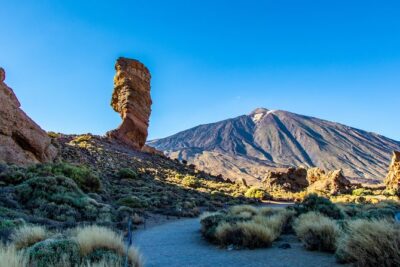
Teide by Night: Sunset & Stargazing with Telescopes Experience
Read our review →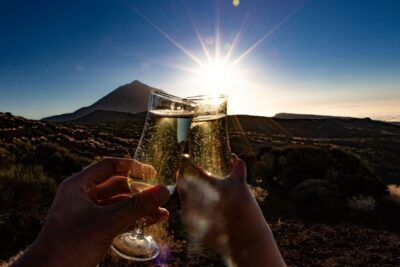
Teide: Guided Sunset & Stargazing Tour by Night with Dinner
Read our review →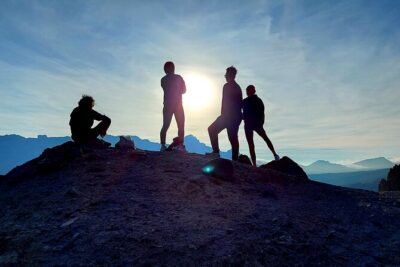
Teide Night Experience with Dinner and Stargazing
Read our review →Browse the lists this tour appears in