
Reviewed · SCUBA DIVING
Tenerife : Snorkeling underwater with freediving Instructor
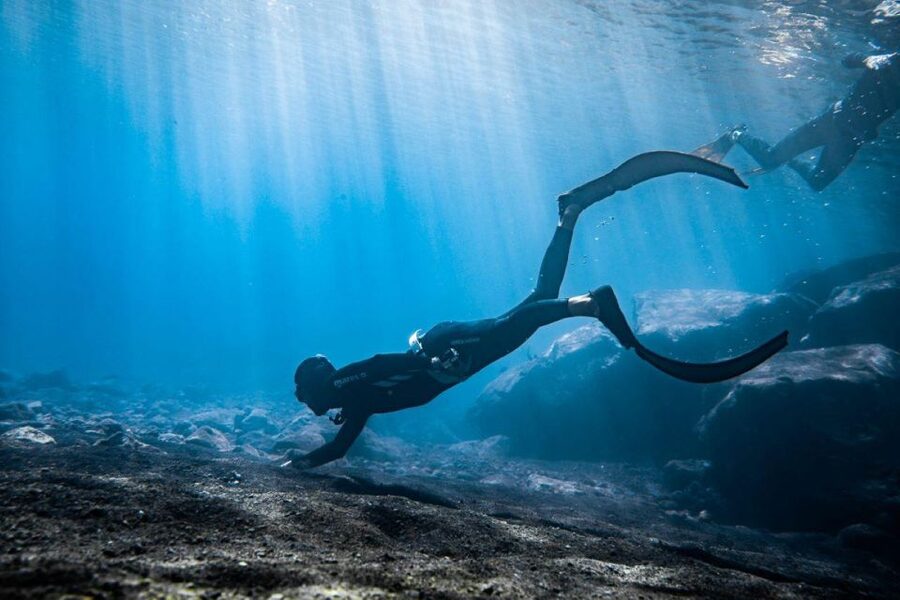
Ready for calm water practice in Tenerife. This snorkeling experience in Radazul pairs safety-first coaching with apnea-style breathing so the underwater world feels accessible, not intimidating.
What I really liked is the dry warmup. You get yoga, stretching, and even Qigong, plus guidance on breathing and equalisation, led by Carlos, the calm coach many people highlight as welcoming and clear.
One consideration: you must swim, and you’ll need to remove glasses for the in-water part. Contact lenses are fine, but if your prescription is very high, you may want advice on special lenses that fit the snorkel mask.
In This Review
- Key highlights you will feel fast
- Radazul Beach start point, and how the warmup sets you up
- Safety briefing and equalisation drills that make snorkeling easier
- Yoga, stretching, Qigong, and conscious breathing for calm underwater
- Gear you get, and why fit matters more than you think
- The guided Radazul snorkeling session, what you’ll actually do
- Photos, snacks, and how to end the session feeling good
- Price and value: $52 for a whole coaching experience, not just gear time
- Who this suits best, and who should skip it
- Weather reality in Tenerife, and how to plan around it
- Should you book Apnea Chikabal in Radazul?
- FAQ
- How long is the Tenerife snorkeling session?
- Where does the experience start?
- What is the group size?
- What equipment is included?
- Do I need to remove glasses during the activity?
- Is the activity only for swimmers?
- What should I bring?
- Which languages are offered?
- What happens if the weather is bad?
- Is there anything included after snorkeling?
Key highlights you will feel fast
- Yoga, stretching, and Qigong warmup before you ever enter the water
- Breathing and equalisation practice to help you get comfortable with going under
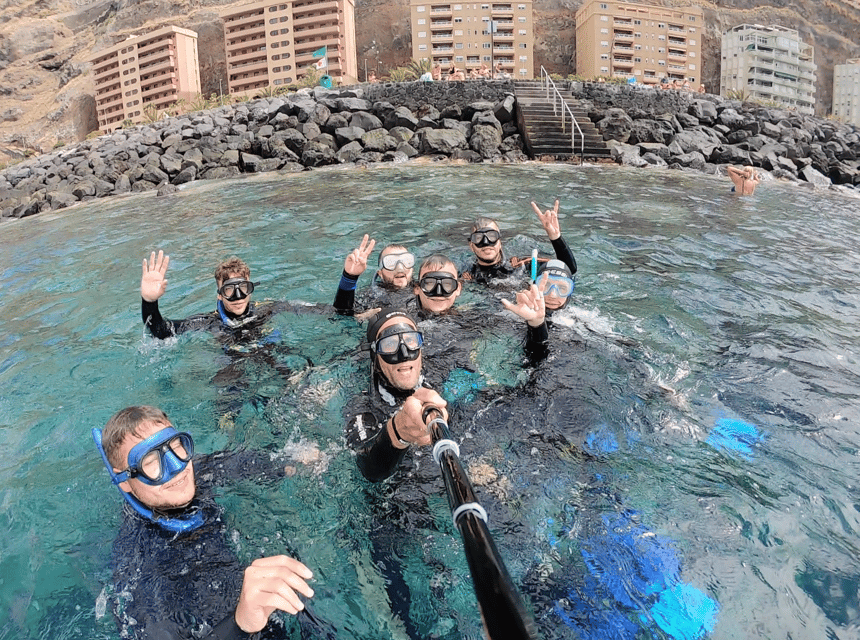
- Small group up to 10 participants for real hands-on help
- Marine life viewing in Radazul with guided stops and a safety mindset
- Photos and video gear used during the session, plus a healthy snack after
Radazul Beach start point, and how the warmup sets you up
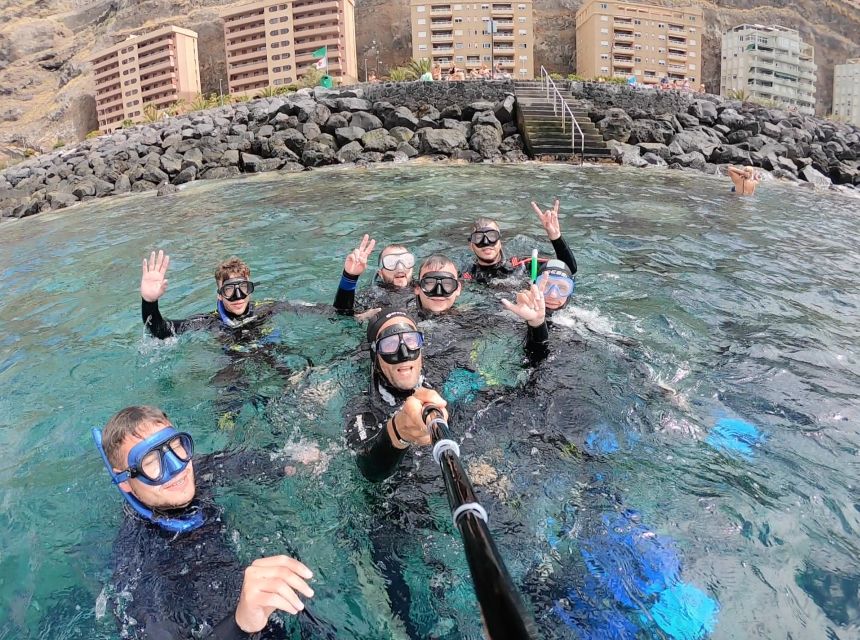
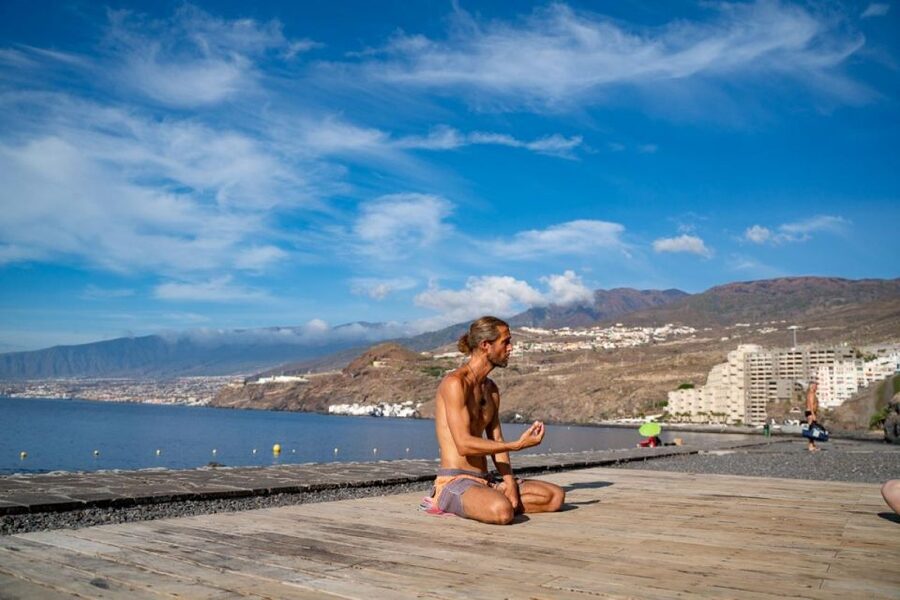
The tour starts at Av. Colón, 22, and the actual action begins at Radazul Beach. Look for one of the three wooden platforms right in front of the ocean. It’s a simple setup, not a big “tourist machine,” and that matters because you’ll be moving from dry practice to water practice without wasting time.
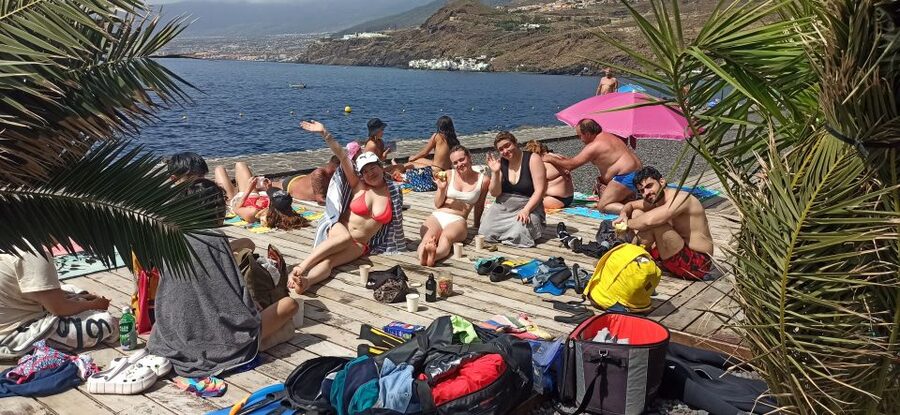
Before you get your fins on, you’ll do a dry session on a wooden platform. Expect a bit of movement, then a lot of focus on how you breathe and how your body responds. This is not just stretching for comfort. The goal is to help you slow down first, so when you’re floating and focused on breathing, you do not panic or rush.
Also, the group stays small, up to 10 people. That’s a sweet size for learning. You can ask questions, get corrections, and actually hear what the coach wants you to do, instead of guessing based on what someone else is doing.
Other things to do around Tenerife
- Southern Tenerife: 50-Minute Submarine Dive
★ 4.8 · 2,216 reviews - Tenerife: Your First Scuba Diving Experience in Turtle Area
★ 4.7 · 1,679 reviews - Tenerife: Beginner’s Dive at a Spot with Turtle Sightings
★ 4.7 · 627 reviews - Tenerife First Time Scuba Dive – Turtle Habitat, Small Groups
★ 4.5 · 456 reviews - Tenerife: Beginner Scuba Dive Experience
★ 4.8 · 238 reviews
Safety briefing and equalisation drills that make snorkeling easier
You’ll begin with a safety briefing that keeps things practical. You’ll learn how the session works, what to do in the water, and how to snorkel correctly with the equipment provided. This part is important because snorkeling is easy on a postcard, but ears and comfort are the real deal in real life.
A big focus is equalisation. The briefing explains how to compensate for your ears so you can dip into the water more confidently. If you’ve ever tried snorkeling and felt that pressure issue, this is the part you’ll be quietly thankful for. Instead of forcing yourself to tolerate discomfort, you’re coached on how to prepare your body and handle the sensation.
You also need to know how to swim. That’s not about skill bragging. It’s about confidence and safety in open water, especially when you’re learning control with a mask, fins, and a weighted apnea belt.
Yoga, stretching, Qigong, and conscious breathing for calm underwater
The warmup is where this experience feels different from standard snorkel tours. You’re not only getting ready physically, you’re training your attention. You’ll do stretching, then relax using conscious breath, and you’ll add Qigong to the mix. The breathing portion is the main thread.
Many participants mention that the breathing exercises later helped them during the snorkeling. That makes sense. In the water, you tend to get tense if you’re unsure what to do next. A breathing routine gives you a script. You know what you feel for, when to slow down, and how to stay relaxed while you’re wearing the gear.
Carlos is repeatedly described as calm and clear, and that matters during breathing practice. When you’re learning something new, having a coach who keeps the tone steady reduces the chance you overthink it.
If you like mindful movement, you’ll probably enjoy this part even if you’re not a yoga person. The point is not to become a gymnast. It’s to make your body quieter and your breathing steadier, so the water feels easier.
Gear you get, and why fit matters more than you think
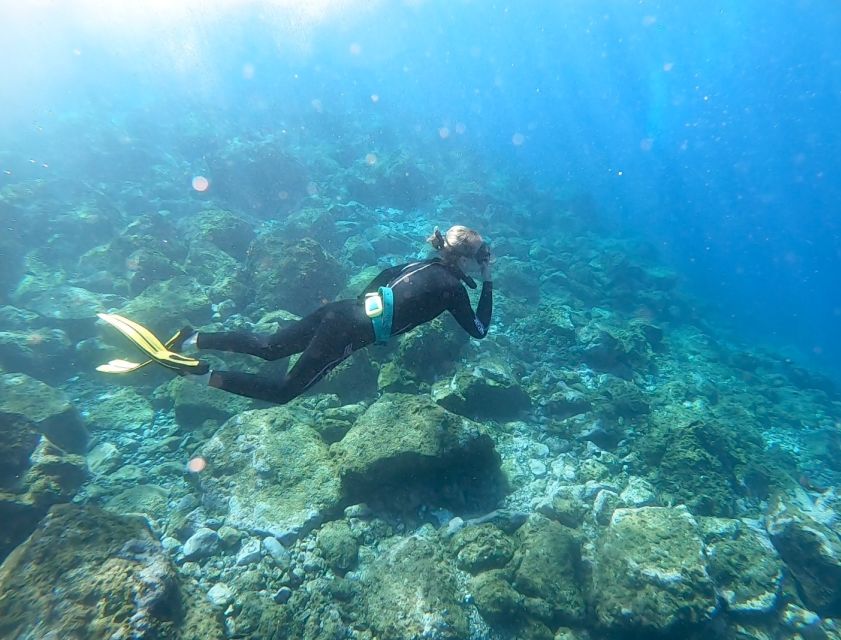
You’ll be given sports equipment including fins, mask, and snorkel tube. You’ll also get a wetsuit and a belt of apnea with weights. That last item is a learning tool. It helps you practice being balanced in the water with an apnea mindset, not just floating.
Fit is where most snorkeling comfort is won or lost. The mask should seal, the snorkel should sit comfortably, and the fins should feel controlled, not like they’re kicking from the wrong angle. The coach provides guidance during setup, which is a quiet advantage. You don’t want to waste your only hour in the water fixing gear mistakes.
One gear note that affects your planning: glasses need to come off. You can use contact lenses in the water. If your prescription is very high, the team can offer advice on where to find special lenses that fit the snorkel mask. If you’re dependent on glasses and do not want contacts, this might not be the right fit.
Heading further into Tenerife? Here's what else is nearby.
The guided Radazul snorkeling session, what you’ll actually do
After the warmup, you head back into the water for the main part of the experience. The schedule is structured, so you’re not just thrown into the sea and told to go explore. There is instruction, then guided marine life viewing with short, purposeful stops.
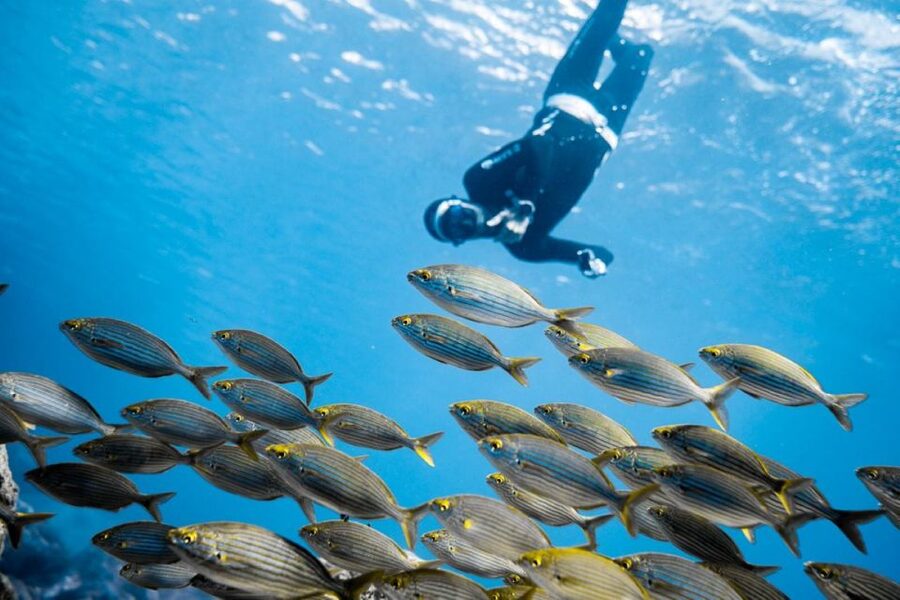
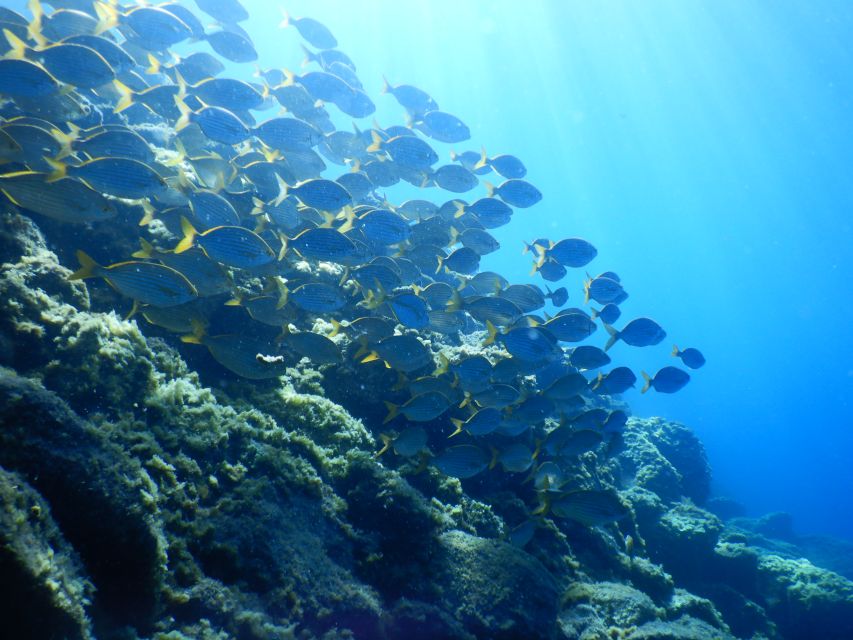
You’ll spend about an hour enjoying the seabed at its best, guided by the instructor. In plain terms, you’ll focus on what to look for, how to move gently, and how to stay calm while you watch fish and other sea creatures. The area around Radazul is known for colorful fish, and at least one participant highlights seeing a ray, which is the kind of moment people remember long after the gear photo fades.
Itinerary-wise, you’re in the “in-water block” for about 1.5 hours, which includes the learning and transitions. So you should expect a rhythm: brief coaching, short practice moments, then more time to observe.
The safety side matters here. You are guided in a safe environment, with the breathing and equalisation lessons helping you handle being more submerged. If you feel pressure in your ears, the earlier coaching is designed to reduce that frustration. You’ll likely come out more confident than you started.
Photos, snacks, and how to end the session feeling good
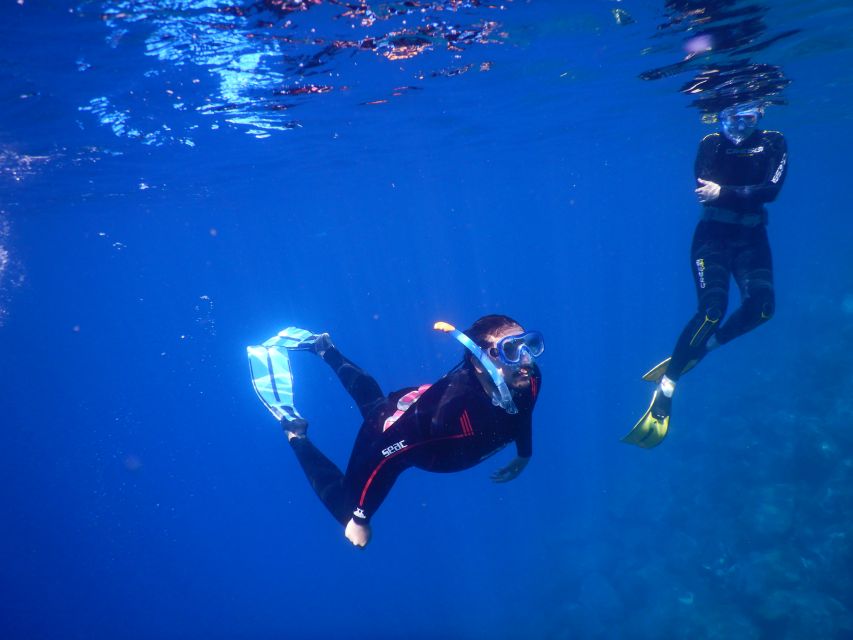
The tour includes photos and videos taken during the session. There’s a camera setup in the water, and the whole idea is to capture your smile right then, not to make you pose later on dry land. If you’re traveling with friends, this also saves time trying to coordinate phones while you’re wearing fins.
You also get a snack when you leave the water. The tour includes a healthy snack right after the session, which is smart. Snorkeling, even in calm conditions, is physical work for your breathing rhythm, your legs, and your posture.
Then you move into a break period with aperitif and local snacks for about 30 minutes. It turns the experience from “activity only” into “activity plus a real recovery pause.” For many people, that part is when the day stops feeling like errands and starts feeling like vacation.
One small practical tip from the session format: it’s advisable not to eat during the hour before the activity. That helps you feel comfortable during breathing practice and in the water.
Price and value: $52 for a whole coaching experience, not just gear time
At about $52 per person for around three hours, this is good value when you compare it to basic snorkeling that often feels like transport plus a quick briefing. Here you’re paying for coaching time, a structured warmup, instruction on snorkel technique, and a guided in-water route.
The included gear list is broad: fins, mask, snorkel tube, wetsuit, and the apnea belt with weights. When gear is included, you avoid the common vacation trap of “pay more once you arrive.” You also get photos and video, which is an extra that many do-it-yourself snorkeling plans fail to capture well.
The real value is the teaching. The breathing exercises and equalisation guidance turn this into a skill-building experience. People specifically praise the breathing prep, and one highlight is that it provides first insights into apnea-style breath-hold. Even if you never go far beyond snorkeling here, you still learn how to manage your body and attention in open water.
Who this suits best, and who should skip it
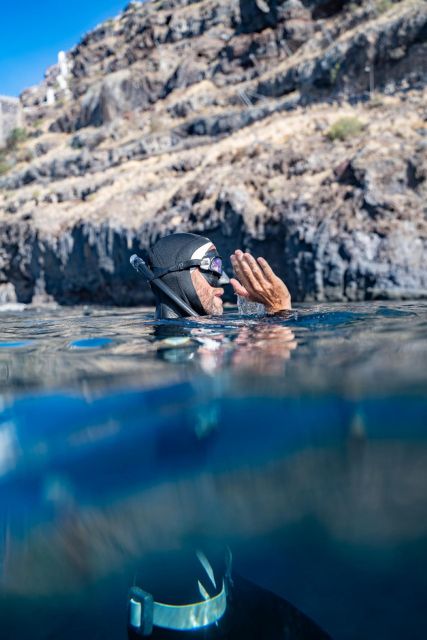
This experience is best for adults and older kids who can swim confidently. It’s not for children under 6 years, and it’s also not suitable for non-swimmers.
It is also not aimed at visually impaired people, because you rely on being able to see clearly in and out of the water, plus you need to follow guidance quickly for safety.
If you’re the type of traveler who wants more than casual sightseeing, you’ll probably enjoy it. The combination of yoga, stretching, Qigong, breathing, and equalisation coaching means you leave with a calmer, more controlled snorkeling style.
If you get nervous about ears pressure or you’ve struggled with snorkeling basics before, this is also a strong choice. The coach builds you up step-by-step so you are not guessing what to do when you feel discomfort.
If you hate wearing wetsuits or weighted belts, you might find the gear part mentally challenging at first. But it is taught for comfort and control, not for intimidation.
Weather reality in Tenerife, and how to plan around it
This is an outdoor activity, so weather matters. If there’s rain, strong wind, or rougher ocean waves, the session might be rescheduled. That’s normal for the coast, but it’s worth planning in your Tenerife schedule with a little flexibility.
Also remember you’ll be doing a dry warmup on a wooden platform. If you’re sensitive to temperature changes, bring what you need to stay comfortable before you get in the water.
Should you book Apnea Chikabal in Radazul?
If you want snorkeling that feels guided, calm, and skill-based, I’d book it. The biggest reasons are the breathing and equalisation preparation, the calm coaching style credited to Carlos, and the fact that you get photos and video without chasing them around with a phone.
Skip it if you cannot swim, if you need your glasses in the water, or if you’re not comfortable with wetsuit and apnea-belt equipment.
If your goal is simply to float and look at fish for the cheapest price, you may find cheaper snorkeling options. But if you want to come away feeling safer, more confident, and actually better at snorkeling, this one is a strong bet for Radazul.
FAQ
How long is the Tenerife snorkeling session?
The total duration is 3 hours, with about an hour in the water enjoying the seabed.
Where does the experience start?
You meet at Av. Colón, 22. The meeting point for the beach activity is Radazul Beach, where you should look for one of the three wooden platforms in front of the ocean.
What is the group size?
It is a small group, limited to 10 participants.
What equipment is included?
Sports equipment is provided, including fins, mask, snorkel tube, and a wetsuit. You also get a belt of apnea with weights.
Do I need to remove glasses during the activity?
Yes. You need to remove your glasses for the water activity. Contact lenses are allowed, and for very high prescriptions the team can offer advice on where to find special lenses that fit the snorkel mask.
Is the activity only for swimmers?
Yes, you must know how to swim. It is not suitable for non-swimmers.
What should I bring?
Bring sunscreen, a swimsuit, and a towel. The tour also advises not to eat during the hour before the activity.
Which languages are offered?
The instructor speaks English, French, and Spanish.
What happens if the weather is bad?
Because it’s outdoors, the activity might be rescheduled if there is rain, strong wind, or wild ocean waves.
Is there anything included after snorkeling?
Yes. You get a healthy snack when you get out of the water, and there is also a break with an aperitif and local snacks for about 30 minutes.
Just Added to the Tenerife Lineup
Scuba Diving, compared.
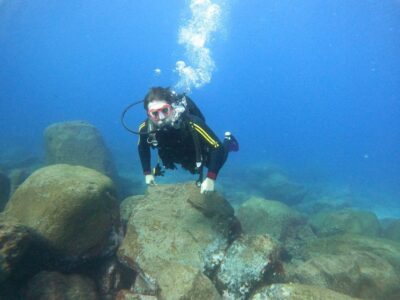
Your First Scuba Diving Experience in Turtle Area
Read our review →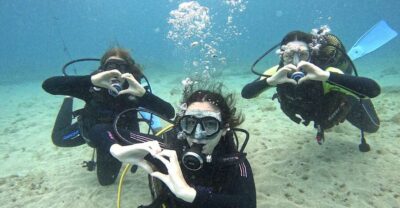
Beginner’s Dive at a Spot with Turtle Sightings
Read our review →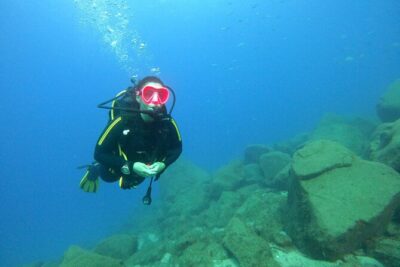
Tenerife First Time Scuba Dive – Turtle Habitat, Small Groups
Read our review →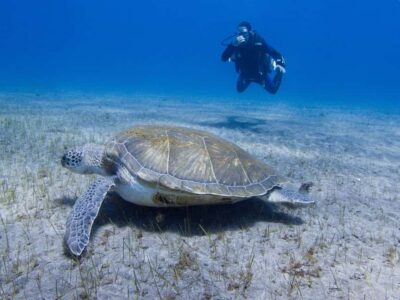
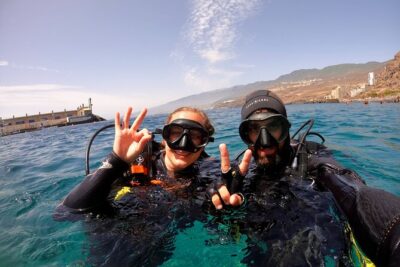
Try Dive – PADI Discover Scuba Diving in Tenerife
Read our review →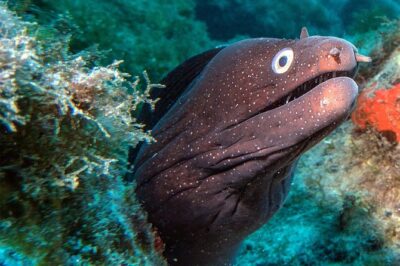
RECREATIONAL DIVE (certified divers only) : Explore Canarian Sealife
Read our review →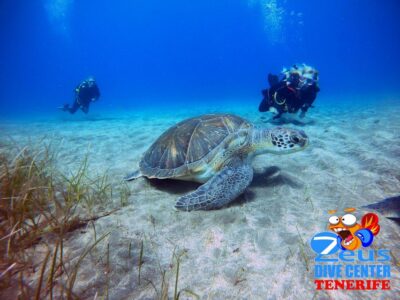
Browse the lists this tour appears in