
Reviewed · TEIDE STARGAZING TOURS
Tenerife: Mount Teide Observatory Astronomical Tour
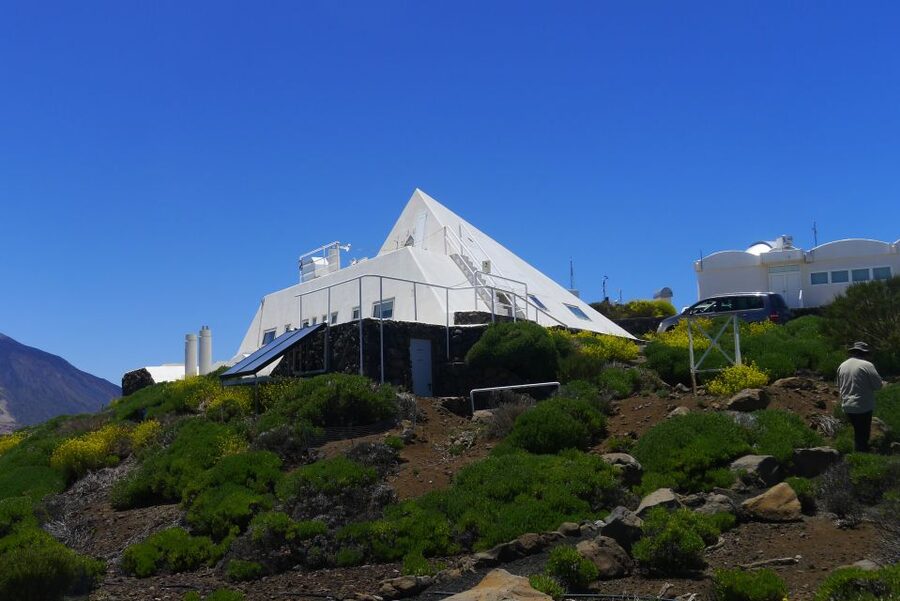
Mount Teide turns astronomy into a real-world show. You spend the afternoon at the world’s largest solar observatory and then shift into night mode for constellation hunting with top-notch telescopes. What I like most is the mix of science and pure wonder, plus the fact that you’re not just looking up, you’re learning how the instruments work and what you’re seeing.
Two other big wins: you get small-group transportation so the evening feels calm, and you’re guided by people tied to the observatory, not just generic tour staff. The main thing to plan around is weather and temperature, because the stars depend on clear conditions and the mountain can get cold and windy even when the coast feels warm.
In This Review
- Key highlights to know before you go
- Mount Teide Observatory is not just star gazing, it is star learning
- The afternoon stop: the solar observatory experience
- Sunset viewpoints on a volcanic mountain, with real timing pressure
- Getting up the mountain: small-group transport that keeps you on schedule
- Night sky viewing: unaided stars first, then telescopes
- Who the guides are matters, and you can feel it in the explanations
- Clothing rules are strict for a reason, and they really affect comfort
- Food, drinks, and the rhythm of an 8-hour evening
- Price and value: why $121 can be fair for what you actually get
- Weather plan: how to protect your evening even when the sky is messy
- Is this tour right for you? Best fit and best alternatives
- Should you book this Mount Teide astronomy tour?
- FAQ
- How long is the Tenerife Mount Teide Observatory Astronomical Tour?
- What is included in the tour price?
- Do I need to buy food during the tour?
- Where can I be picked up?
- What languages are the tours offered in?
- What should I wear and bring for the night portion?
- Are sandals or flip-flops allowed?
- What happens if the weather limits star visibility?
- Is this tour suitable for children?
- Is the tour suitable for people with mobility impairments?
Key highlights to know before you go
- Teide Observatory visit gives you the practical science behind what you see in the sky
- Afternoon time at the world’s largest solar observatory adds a rare daytime astronomy angle
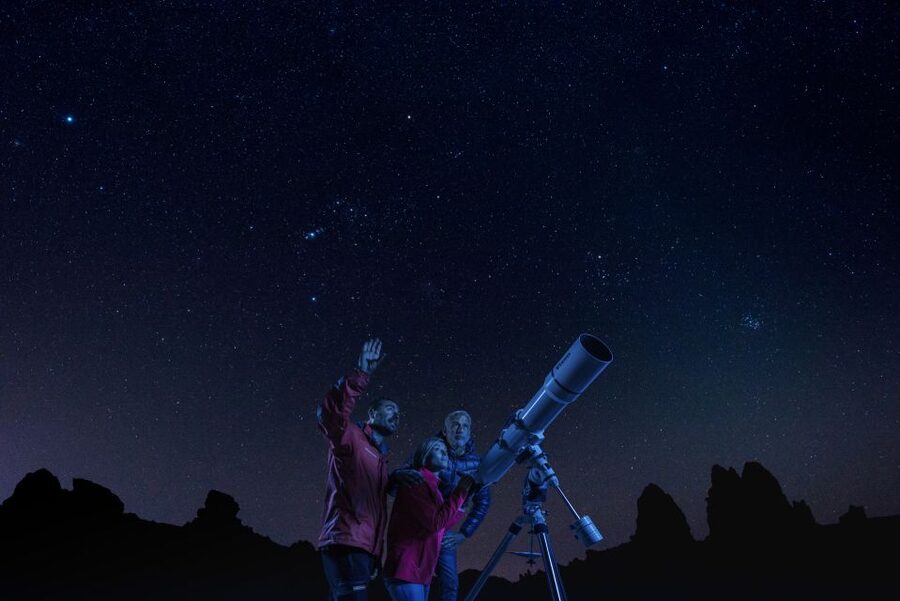
- Evening viewing includes unaided star spotting plus telescopes for sharper, guided looks
- Expect backup plans, like audio-visual sky explanations if stars are not clearly visible
- If visibility is poor, your guides may add extra observing time with two nocturnal telescopes
Mount Teide Observatory is not just star gazing, it is star learning
Tenerife’s best astronomy tours do something smart: they teach you enough to make the sky feel legible. This one does that by pairing an afternoon at the Teide Observatory with nighttime observing. You’re not left with vague, point-and-gawk moments. Instead, the guide explains what you’re looking for, how telescopes help, and how observations connect back to real research.
That matters, because “seeing stars” is easy, but “understanding what you’re seeing” takes a little structure. Once you know how to track constellations and how telescopes reveal details your eyes cannot, the night sky becomes more than a pretty backdrop.
Also, Teide has a scientific reputation that you feel immediately. Even if you are not an astronomy nerd, you can appreciate that this is a place built for observation, not just tourism.
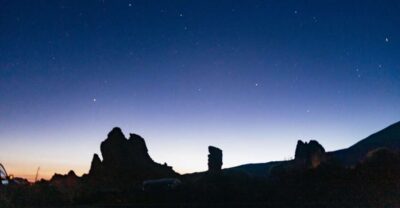
One of the clearest night skies anywhere
- Tenerife: Teide National Park Sunset & Stargazing Tour
★ 4.2 · 3,812 reviews - Tenerife: Sunset and Stargazing at Teide National Park
★ 4.7 · 2,826 reviews - Teide National Park Sunset & Stargazing with Dinner (Star Safari)
★ 5.0 · 2,601 reviews - Teide National Park: Sunset & Stargazing Safari with Dinner
★ 4.6 · 2,115 reviews - Teide by Night: Sunset & Stargazing with Telescopes Experience
★ 4.5 · 1,492 reviews
The afternoon stop: the solar observatory experience
The tour schedules the astronomy heavy-lifting in the afternoon with a visit to the largest solar observatory on Earth. That’s a key part of why this experience feels different from the usual “sunset and stars” pattern.
During solar time, you’re in a different kind of viewing mindset. Instead of chasing distant points of light, you’re looking at the Sun as a target for instruments and research. You get the chance to see the observatory side of astronomy, including how facilities and telescopes are designed for serious observation. One of the strongest impressions from the guides on this tour is that explanations are clear and hands-on, including moments like looking inside a telescope during the day.
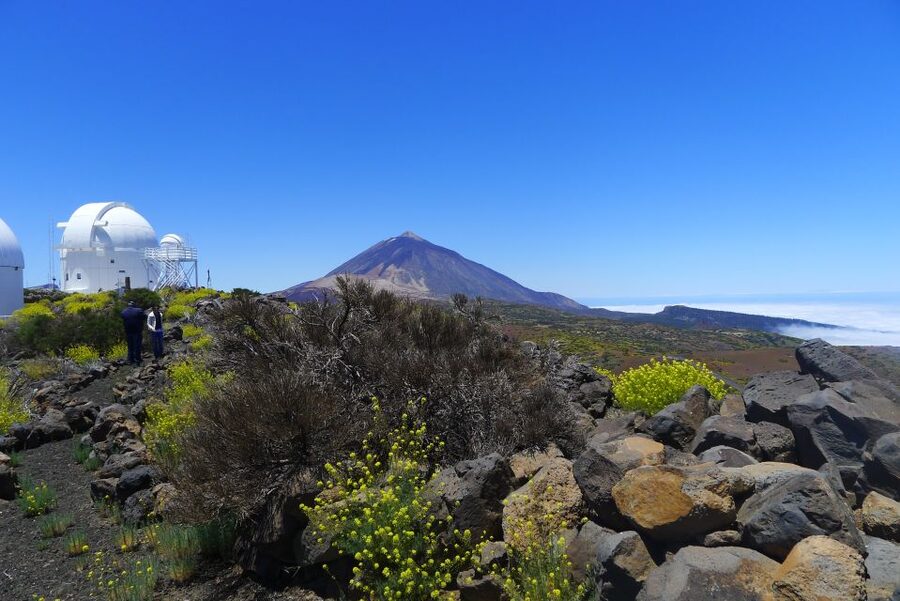
If you’re coming to Tenerife because you love the outdoors, this is also when the volcanic scenery and viewpoints make sense. The day-to-night shift feels earned. You spend daylight learning the “how,” then at dusk and after dark, you get the “wow.”
Sunset viewpoints on a volcanic mountain, with real timing pressure
You also get a sunset viewpoint from the volcanic mountain areas before night observing starts. This is not random scenic time. The timing is built around when stars become visible and when observatory sessions can run with good viewing conditions.
Here is the practical takeaway. The pickup time varies by season and sunset time, so don’t treat the start hour on your ticket like a fixed clock you can plan dinner around. Build buffer in your day so you do not feel rushed.
And because this is a mountain, the weather can flip. Even if it is warm when you leave the hotel, you can hit cold and wind higher up. One review experience described a big temperature swing, roughly hot at the coast and then about 7 degrees Celsius near the cable car area with strong winds. That kind of change is exactly why warm clothing is not optional here.
Getting up the mountain: small-group transport that keeps you on schedule
This is designed as a small-group excursion with included transportation. In practice, that usually means a minibus ride and a more human pace than big bus tours.
You will be picked up from hotels in north Tenerife, including Parque San Antonio, GF Noelia, Hotel Magec, Hotel Concordia, Tucán, Coral Teide Mar, Riu Garoé, CC La Cúpula, and Kiosko Paragüitas. Pickup is part of the value here because Teide is not a casual walk-up from most resorts.
I also like that the trip up the west coast is sometimes built into the drive, so you get extra scenic context while you travel. It helps the day feel like one continuous outing instead of a simple “show up, sit down, leave” format.
The volcano that gives the island its shape
Night sky viewing: unaided stars first, then telescopes
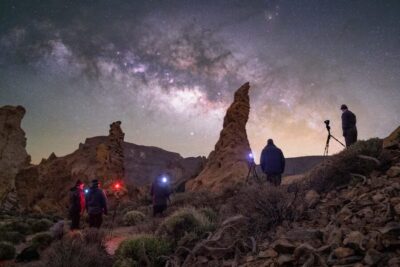
Once it gets dark, the tour shifts into its main event: star gazing with the unaided eye plus telescope viewing. This is the point where the guide’s role becomes crucial. With the naked eye, you can see bright constellations and the general glow of the Milky Way if conditions cooperate. But telescopes let you confirm what you suspect you’re seeing, and they guide you through objects you might miss otherwise.
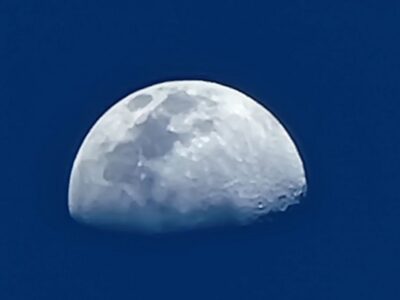
The tour includes astronomical observation using a long-range telescope. If visibility is not good enough for the planned setup, the tour includes a contingency: you may visit two nocturnal telescopes instead of one. That’s a smart plan, because it keeps the “night observing” promise alive even when the sky is not cooperating.
A note on expectations. If the weather prevents proper star visibility through the solar telescopes or creates a threat to the tour, you will not just lose the whole experience. In that case, your guides use audio-visual equipment for a virtual tour of the night sky, constellations, and prominent objects you could have seen.
In other words, you are still guided through the sky even if the real sky is too hazy. That can be the difference between a frustrating evening and a genuinely satisfying one.
Who the guides are matters, and you can feel it in the explanations
This is one of those tours where the guide can make or break your evening. Here, that strength shows up in repeated, specific feedback about guides doing real science communication.
You may be guided by astronomers or observatory-affiliated experts. Names that show up include Lucas, Micaela, and staff described as astrophysicists, plus guides like Natasha in one account. People highlight that the explanations cover how telescopes work, how to navigate the stars, and how to identify constellations and star life cycles, plus how elements are identified in distant objects.
Even if you only catch part of the detail, the benefit is real: you leave with mental hooks. You start to see the sky as a set of patterns and processes, not just scattered points.
If you tend to ask questions, you’ll likely get room for that. Several experiences point to guides being friendly and willing to answer. That’s another reason to pick this style of tour instead of the cheapest “look through a scope for 30 seconds” option.
Clothing rules are strict for a reason, and they really affect comfort
There are explicit rules for what you can wear, and they are not there to be picky. Higher up on Teide, you need protection from cold, wind, and uneven surfaces.
Bring:
- Warm clothing
- Comfortable clothes
- Long-sleeved shirt
- Long pants
- Closed-toe shoes
- Passport or ID card for children
Not allowed:
- Sandals or flip flops
- Pets
- Shorts or short skirts
- Sleeveless shirts
Also plan around your footwear. One practical tip that came up is to make sure you have closed-toe footwear and long trousers before booking, because you can be turned away if you do not meet the requirements.
The value here is simple: you want your time outside to be enjoyable, not miserable. If you run cold, your observing time shrinks fast, and then the night sky feels like something you survived instead of something you enjoyed.
Food, drinks, and the rhythm of an 8-hour evening
Food and drinks are not included. That means you should plan your day so you are not starving at the wrong moment.
The tour lasts 8 hours. That length is common for a full cycle that includes pickup, observatory time, sunset, and night telescopes. But it also means you should treat snacks and water as your responsibility.
One review noted that there is a café on the mountain area, but supplies can be limited because it gets busy. If you rely on buying food up there, you might end up with fewer options or slower service.
My advice: eat a normal meal before pickup if you can, then carry simple backup snacks for the evening. Keep it light and easy, since you will likely be standing around outdoors at night.
Price and value: why $121 can be fair for what you actually get
At $121 per person for an 8-hour guided astronomy tour, the price is not “cheap,” but it can feel fair when you break down what is included.
You get:
- Transportation in small groups
- A guide
- A guided visit to the Teide Observatory
- Astronomical observation using a long-range telescope
Most of the cost is really about two things: specialist guiding and access to an observatory-grade viewing experience. You are not paying for a generic bus ride plus a quick photo stop. You are paying for real instruction tied to a scientific site.
If you have even a mild interest in astronomy, the observatory visit plus telescope time is what makes this worth it. If you only want scenic night photos and do not care about learning, a cheaper option might satisfy you. But if you want both science and sky viewing, this is one of the more direct ways to do it.
Weather plan: how to protect your evening even when the sky is messy
On Teide, the sky is the product. If clouds, haze, or visibility issues show up, it affects what your telescopes can show.
The good news is the tour has built-in fallbacks:
- If weather threatens proper visibility, you may shift to two nocturnal telescopes
- If stars are not clearly visible, your guides use audio-visual tools to recreate what you would have seen
So you are not stuck with silence if the night turns gray. You still get a guided sky experience.
What you can do to help:
- Dress for cold and wind
- Arrive with patience for timing changes
- Keep your expectations flexible about what exact objects will be visible
Is this tour right for you? Best fit and best alternatives
This tour fits best if you:
- Like guided learning, not just looking
- Want both day science (solar observatory) and night observing
- Enjoy small-group tours and having time to ask questions
- Plan to dress properly for outdoor cold nights
It is not a fit if you:
- Need mobility-friendly access, because it is not suitable for people with mobility impairments
- Have very young children, since it is not recommended for kids under 8
If you are traveling with teens or older kids who can handle standing outside and cold clothing rules, it can be a standout Tenerife experience. If your group’s goal is only a sunset photo, you might find it more effort than necessary.
Also consider whether you are sensitive to cold. Even when the coast is warm, the mountain air can bite. Plan for it, and you will enjoy the telescopes longer and feel more comfortable between viewing sessions.
Should you book this Mount Teide astronomy tour?
I think you should book it if you want a genuinely guided sky experience on the most famous stargazing mountain in Tenerife. The observatory visit plus telescope viewing is the combo that makes this more than a nice night out. And if you get a clear night, the stars can look like a different world. If visibility is poor, the tour’s backup approach still aims to keep you engaged with constellations and astronomy explanations.
Skip it or choose something lighter if cold nights, strict dress rules, or mobility limitations will be an issue. This tour rewards preparation. When you show up ready, it turns Teide into a place you remember for more than the view.
FAQ
How long is the Tenerife Mount Teide Observatory Astronomical Tour?
The tour lasts 8 hours.
What is included in the tour price?
It includes transportation for small groups, a guide, a guided visit to the Teide Observatory, and astronomical observation using a long-range telescope.
Do I need to buy food during the tour?
No. Food and drinks are not included.
Where can I be picked up?
Pickup is possible from hotels in north Tenerife, including Parque San Antonio, GF Noelia, Hotel Magec, Hotel Concordia, Tucán, Coral Teide Mar, Riu Garoé, CC La Cúpula, and Kiosko Paragüitas.
What languages are the tours offered in?
The live guide is available in Spanish and English.
What should I wear and bring for the night portion?
Bring warm clothing, long pants, a long-sleeved shirt, and closed-toe shoes. You should also bring a passport or ID card for children.
Are sandals or flip-flops allowed?
No. Sandals and flip-flops are not allowed.
What happens if the weather limits star visibility?
If weather prevents proper visibility through the solar telescopes, or if it otherwise threatens the tour, you will visit 2 nocturnal telescopes instead of 1. If stars are not clearly visible, guides use audio-visual equipment for a virtual night sky tour.
Is this tour suitable for children?
It is not recommended for children under 8 years old.
Is the tour suitable for people with mobility impairments?
No. It is not suitable for people with mobility impairments.
Just Added to the Tenerife Lineup
Teide Stargazing Tours, compared.
Teide National Park Sunset & Stargazing with Dinner (Star Safari)
Read our review →
Teide National Park: Sunset & Stargazing Safari with Dinner
Read our review →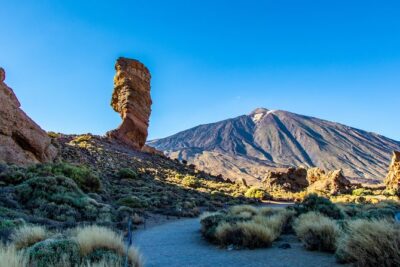
Teide by Night: Sunset & Stargazing with Telescopes Experience
Read our review →
Teide: Guided Sunset & Stargazing Tour by Night with Dinner
Read our review →
Teide Night Experience with Dinner and Stargazing
Read our review →Browse the lists this tour appears in