Reviewed · TENERIFE
Tenerife: Canary History and Color Potatoes
Potatoes with colors tell Tenerife’s story. On this 2-hour guided walk in Icod el Alto, I loved tracing the Camino Real footpath and learning how local families protect the Canarian colored potato heritage, with 29 varieties grown since the 17th century. One possible drawback: the walk includes uneven ground, so skip flimsy sneakers.
The best part is the people factor. With a small group capped at 8, guides take time, and at least one guide named Sara made the whole thing feel personal, sharing details and then steering you toward useful tips for the rest of your Tenerife trip.
You’ll mix town stops with open-air farm talk, plus a seasonal potato tasting if availability allows. The tour runs rain or shine, so pack for weather, and bring a jacket, because conditions can shift around the 500 meter altitude.
In This Review
- Key highlights worth your time
- Icod el Alto: a farming village, not a theme park
- Getting started at Parroquia de Nuestra Señora del Buen Viaje
- Historic Camino Real: why old paths still matter
- The colored potato birthplace, and the 29-variety challenge
- Sustainable farming you can actually understand
- Potato tasting: what to expect when availability allows
- Who this tour suits best
- Price and logistics: is $29 worth two hours?
- What to pack so the walk stays fun
- Should you book this Tenerife potato and history tour?
- FAQ
- How long is the Tenerife Canary History and Color Potatoes tour?
- How big is the group?
- Where is the meeting point?
- What languages are the guides?
- Is there food tasting included?
- Does the tour run in rain?
- What should I bring?
- How do I get there without a car?
- Can I cancel and get a refund?
- Is reserve now, pay later available?
Key highlights worth your time
- Historic Camino Real walk through a path tied to Tenerife’s older routes and traditions
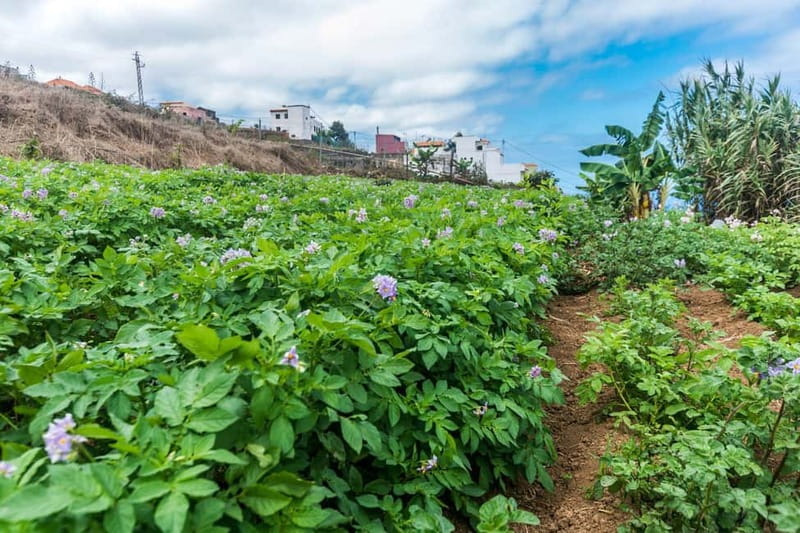
- 29 colored potato varieties and how families have kept them going since the 1600s
- Tasting organic potatoes (seasonal and availability based) with real differences in flavor and texture
- Sustainable farming methods you can spot and understand, not just hear about
- Small group attention with room to ask questions, especially if you want food and local advice
Icod el Alto: a farming village, not a theme park
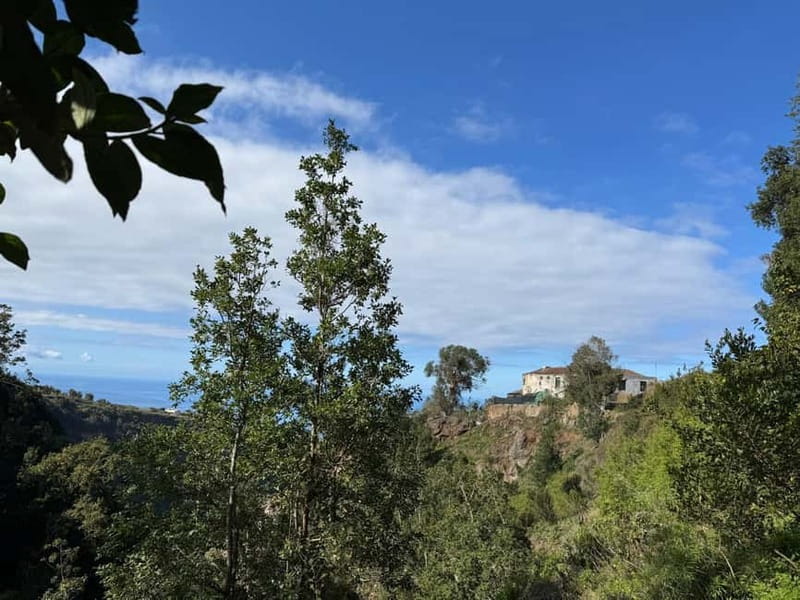
I love tours that show you how people live day to day. Icod el Alto (in the Los Realejos area) feels like that kind of place, where agriculture is part of daily rhythm, not a backdrop for photos. In two hours, you get just enough time to connect the dots between tradition, soil, and what ends up on plates.
The tour focuses on Tenerife’s agricultural heritage through one very specific lens: the colored Canarian potato. That is smart. Instead of trying to cover every cultural topic, you learn one story deeply, then you can carry it with you when you eat later.
If your idea of a great trip is slow, walkable discovery with a guide who explains what you are seeing, this fits well. If you want only big scenic viewpoints and long photo stops, you may find it more “local learning” than “wow views.” Still, the village route keeps things interesting.
Other things to do around Tenerife
- Tenerife: History The Evolution of Music Show Entry Ticket
★ 4.8 · 620 reviews - Tenerife: Guided Historical Bike Tour with E-Bike Option
★ 3.9 · 83 reviews - Guided Historical Bike Tour with E-Bike Option in Tenerife
★ 5.0 · 1 review
Getting started at Parroquia de Nuestra Señora del Buen Viaje
The walk begins at the Parroquia de Nuestra Señora del Buen Viaje in Icod el Alto, where you meet under the flags at Camino el Dornajo calle. It is a clear landmark, and the start point makes sense, because the tour then flows into the rural paths where farming stories belong.
This kind of meeting spot matters more than you might think. In smaller villages, it helps you avoid wasting time hunting for your group, and you can start with the guide already orienting you. You are not just “late meeting point anxiety.” You get to settle in and listen right away.
Plan to arrive a little early and take a moment to get your bearings. You will be moving on foot across uneven ground, so treat the first few minutes as a warm-up, not a sprint.
Historic Camino Real: why old paths still matter
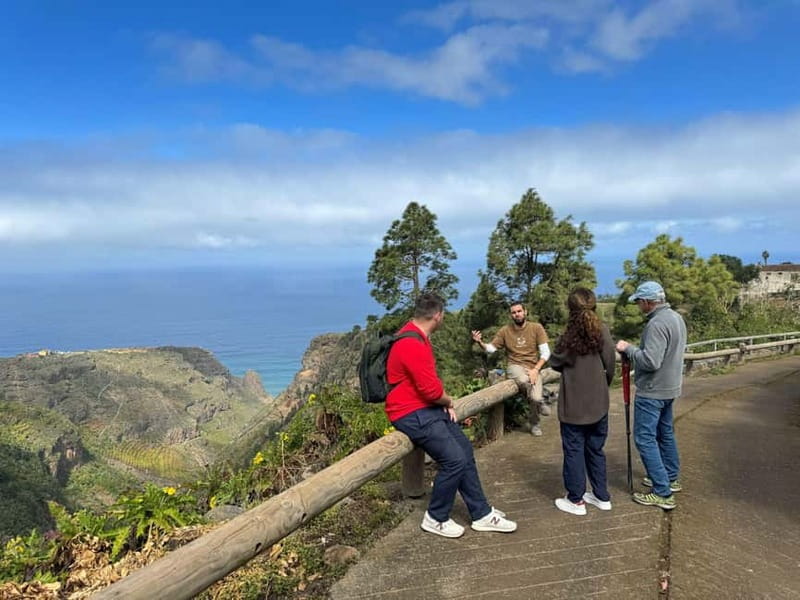
A big draw here is the walk along the historic Camino Real. This is not a polished promenade. It is a route with history, shaped by how people used to travel and connect communities. Walking it gives you the physical feeling of the “how” behind the story, not just the dates.
What I like about this stop is the way it ties culture to movement. Roads are never just roads. They connect markets, families, and traditions. When your guide points out events and customs connected to the area, you start understanding Tenerife as a place shaped by regular journeys, not random sightseeing.
Practical tip: if you tend to rush on walks, slow down here. The path and surroundings change gradually, and the guide is clearly spending time pointing out details along the way. Good shoes are not optional. Uneven ground is part of the deal.
The colored potato birthplace, and the 29-variety challenge
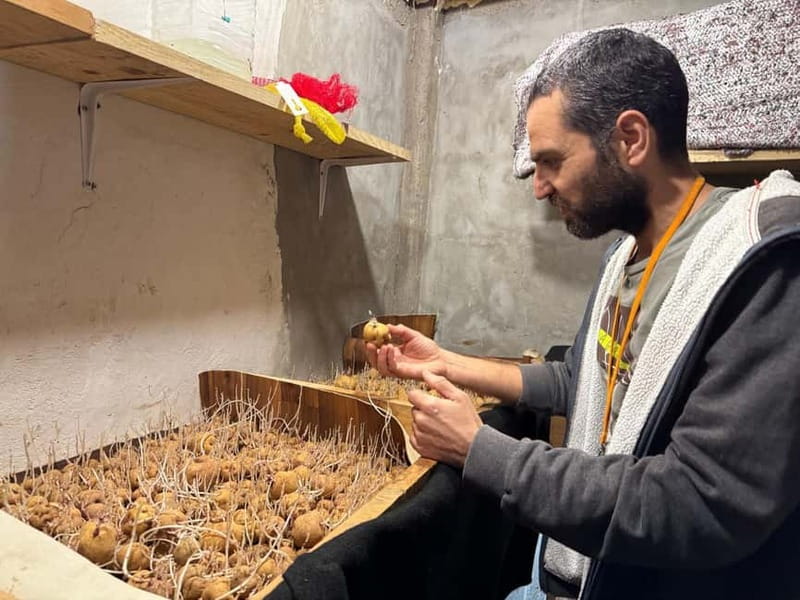
The heart of this experience is the birthplace of the colored Canarian potato. Here, you learn that local families have cultivated 29 unique varieties since the 17th century. That single detail changes how you think about “a potato.” It becomes a living heritage system, protected by people who select, grow, and preserve varieties over generations.
This stop is valuable for two reasons.
First, it shows you what cultural preservation can look like outside museums. The preservation happens in fields and in everyday work, not behind glass.
Second, it helps you understand why some local foods taste different. These potatoes are not all the same. The tour explains their role in Canarian cuisine and agriculture, so you learn the “why” behind the flavors you might later find on menus.
If you are a food nerd, you will probably love this part. If you just like learning interesting facts, you still benefit, because it gives you a mental framework for what you eat afterward.
Heading further into Tenerife? Here's what else is nearby.
Sustainable farming you can actually understand
You are not only hearing romantic stories about farming. You also get practical insight into sustainable farming practices used by local farmers. The tour focuses on how these methods help preserve the environment and support the community’s way of life.
The helpful part is learning what sustainable looks like on the ground. Your guide’s explanations tie the farming methods to outcomes you can imagine: healthier soil, better long-term crop choices, and less strain on the land. It turns “sustainability” from a vague buzzword into something you can picture.
And because the group stays small, you can ask questions if something catches your attention, like how varieties are maintained or why certain approaches matter in Tenerife’s conditions. That kind of interaction makes the time feel efficient.
Potato tasting: what to expect when availability allows
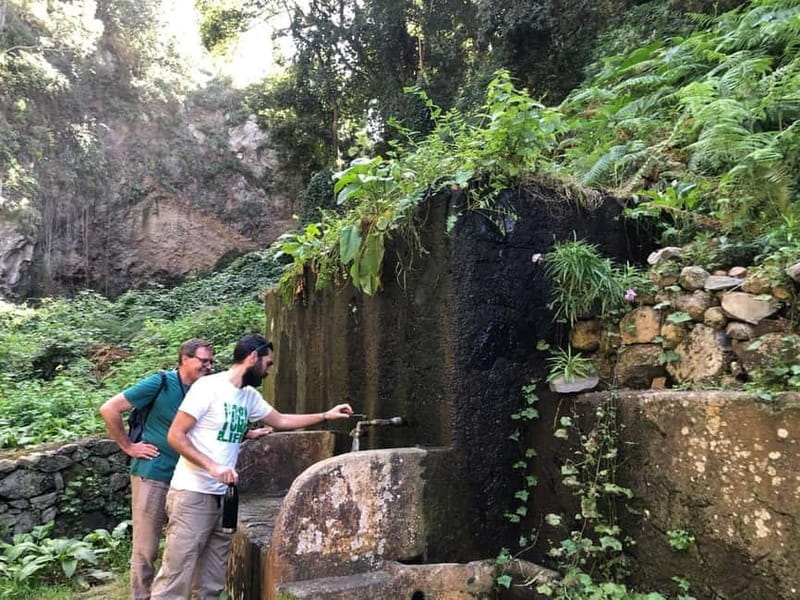
Depending on the season and what is available, you may enjoy tasting rare and organic colored potatoes. When this is included, it is one of the most fun parts, because learning becomes sensory.
The tour frames the tasting as an opportunity to notice differences in flavor and texture. That matters, because if you only learn the history, the story stays in your head. When you taste, it sticks in your memory.
A realistic note: tasting is availability dependent. So do not plan your entire day around guaranteed samples. Still, even if tasting is limited on a given day, the heritage lessons around the potato varieties are the core value, and that part still lands.
Who this tour suits best
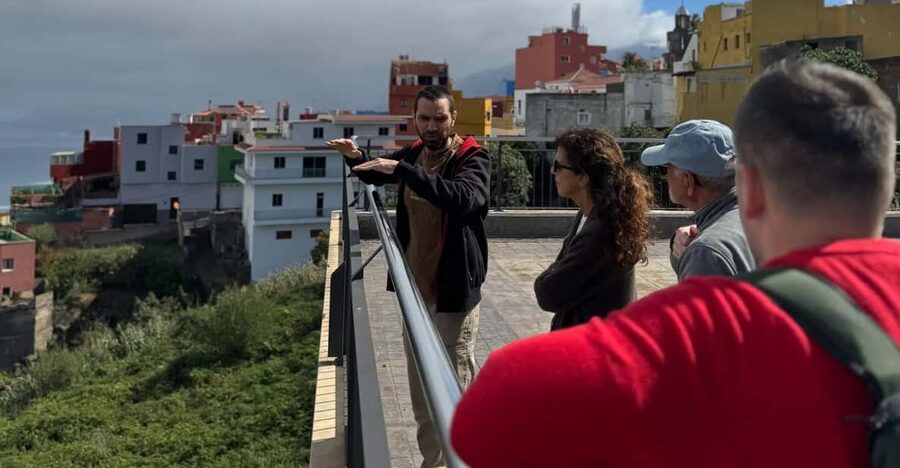
This is a strong match if you:
- Want a food-and-farming story with cultural context
- Like small-group guiding and question-friendly pacing
- Enjoy walking on uneven ground with comfortable shoes
- Are interested in sustainability that is explained in plain terms
It is also a good fit at the start of a trip. One guide like Sara was praised for sharing practical tips for the rest of Tenerife, which can help you plan meals and day trips without guessing.
If you struggle with longer outdoor walks, or if uneven paths are a dealbreaker for your body, this may feel challenging even though it is short. The tour does say it is suitable for all ages, but walking on uneven ground is required. That is the deciding factor.
Price and logistics: is $29 worth two hours?
At $29 per person for a 2-hour guided tour, the value is mostly in three places: the small group size (up to 8), the guided storytelling, and the chance to taste organic colored potatoes when in season.
For a short excursion, $29 is not “cheap,” but it is also not inflated given what you get. You are paying for an expert guide experience, time in a specific village, and access to potato heritage that many people would otherwise only read about. The fact that tasting depends on seasonal availability also keeps the price aligned with what is realistic in the field.
Logistics are manageable, but you need to plan ahead. You will need a car, or you can use bus line 354 from Puerto Cruz or Icod de los Vinos. If you do not want to deal with schedules, a car is the easiest option.
Also, come prepared for outdoor conditions. The tour operates rain or shine, and severe weather may lead to rescheduling. You do not want to be caught without a hat, sunscreen, and a light jacket.
What to pack so the walk stays fun
You will thank yourself for packing practical stuff. Bring comfortable shoes with grip, because the ground is uneven. A hat and biodegradable sunscreen help when the sun shows up, and weather shifts are part of the experience around 500 meters altitude.
A jacket is smart, because the tour expects outdoor time even when conditions change. Dress in comfortable layers and choose weather-appropriate clothing. If you do not like carrying things, at least plan for a small daypack so you can store extras during the walking segments.
Should you book this Tenerife potato and history tour?
Yes, if you want something more meaningful than a quick photo stop. This tour is built around one focused thread, colored potatoes, and it connects that thread to Camino Real routes, sustainable farming, and daily local traditions. The small group size and enthusiastic guiding style make it feel like a real conversation, not a rushed slideshow.
I would skip it only if uneven walking is a problem for you, or if you prefer big scenic highlights over farm and cultural explanation. For the right traveler, $29 for 2 hours is a fair trade, especially because you might also get to taste the potatoes you just learned about.
If you are planning your first days on Tenerife, this is also a smart move. It helps you learn how local life works, and that makes your later meals and sightseeing feel more connected.
FAQ
How long is the Tenerife Canary History and Color Potatoes tour?
It lasts 2 hours.
How big is the group?
The group is small, limited to 8 participants.
Where is the meeting point?
You meet under the flags of the Parroquia de Nuestra Señora del Buen Viaje in Icod el Alto (Los Realejos), Camino el Dornajo calle, Icod el Alto, 38414 Icod el Alto, Santa Cruz de Tenerife, España.
What languages are the guides?
The live tour guide offers Spanish and English.
Is there food tasting included?
Yes, depending on the season and availability, you can taste different varieties of organic color potatoes.
Does the tour run in rain?
It operates rain or shine, but severe weather may lead to rescheduling.
What should I bring?
Bring comfortable shoes, a hat, biodegradable sunscreen, and weather-appropriate clothing. A jacket is also advised because conditions can change around 500 meters altitude.
How do I get there without a car?
You need a car, or you can use bus line 354 from Puerto Cruz or Icod de los Vinos.
Can I cancel and get a refund?
Free cancellation is available up to 24 hours in advance for a full refund.
Is reserve now, pay later available?
Yes, you can reserve now and pay later, keeping your plans flexible.