
Reviewed · SCUBA DIVING
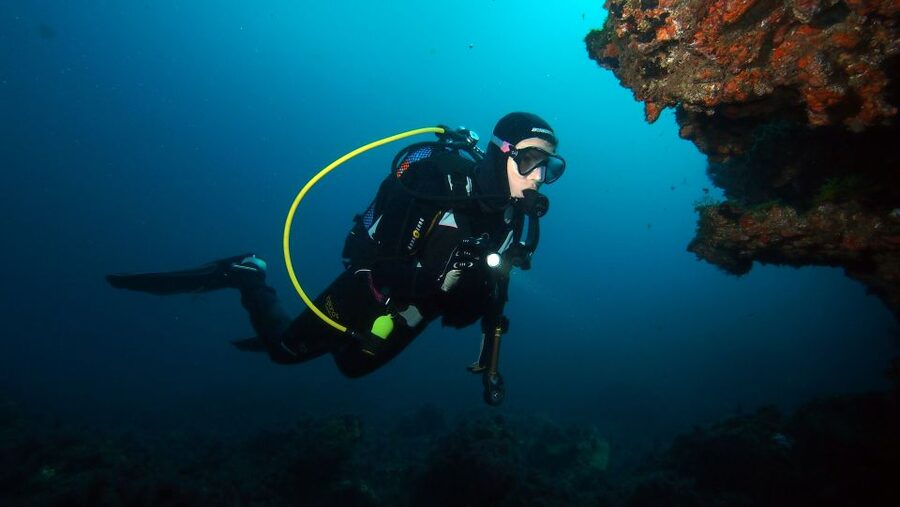
Tenerife: 3-Day Open Water Scuba Diver Course
A first certification course can feel like a leap. This one is structured, safe, and very hands-on, starting with theory then building skills in a controlled pool before you go into open water. Two things I really like are the small group size (up to 8) and the fact that you get practical training toward SNSI certification, not just a quick introduction. One consideration: you’ll want to budget for extras like gear rental, plus photos and video are not included.
From day one, the course is set up to make you comfortable with the basics: scuba gear fit, buoyancy control basics, and the key check-and-breathe habits you’ll use later. I also like that the training has a clear progression, with your pool work logged and approved before you move into the sea. If you’re expecting a relaxed vacation day, note this is an active 2-day course, and there’s no food or drinks included.
In This Review
- Quick Hits You’ll Care About
- Why Tenerife Works for Your SNSI Open Water Start
- Course Overview: Theory, Closed-Water Skills, Then the Sea
- What Happens on Day 1: Video Theory and Pool Skill Drills
- What Happens on Day 2: Four Open-Water Training Descents to 18m
- Certification: What SNSI Open Water Means for Your Future
- Price and Value: What $683 Includes, and What’s Extra
- Small Group Lessons With English and Spanish Support
- Meeting Point and Practical Timing Tips
- What to Bring, and How to Prepare Mentally
- Who This Course Is Best For (and Who Should Skip It)
- Should You Book This Tenerife Open Water Course?
- FAQ
- How long is the Tenerife Open Water Scuba Diver course?
- How many open-water training descents are included?
- What depth range is used for the open-water training?
- What certification do you get?
- What’s included in the price?
- Is scuba equipment included?
- Are food and drinks included?
- What languages are offered?
- What is the minimum age, and who is it not suitable for?
Quick Hits You’ll Care About
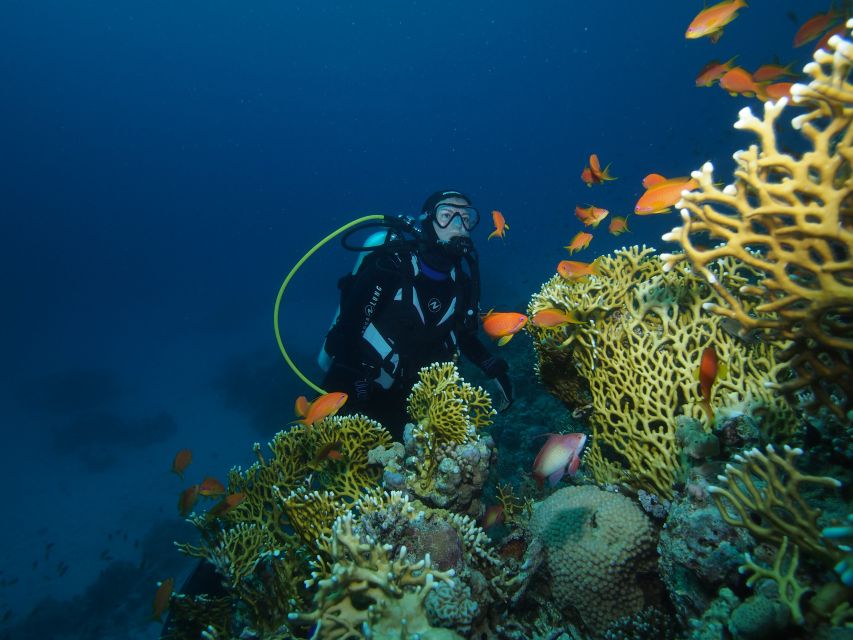
- SNSI Open Water Diver certification after you complete the required training steps
- 2 days of training with a flexible schedule based on your wishes
- 4 open-water training descents in the sea, with training depth from 6 to 18 meters
- Pool (closed-water) skill practice first, so you build confidence before the ocean
- Small group, max 8 participants, taught in English and Spanish
- Course includes insurance, instructor, and SNSI registration fee, but not photos, video, or food
Why Tenerife Works for Your SNSI Open Water Start
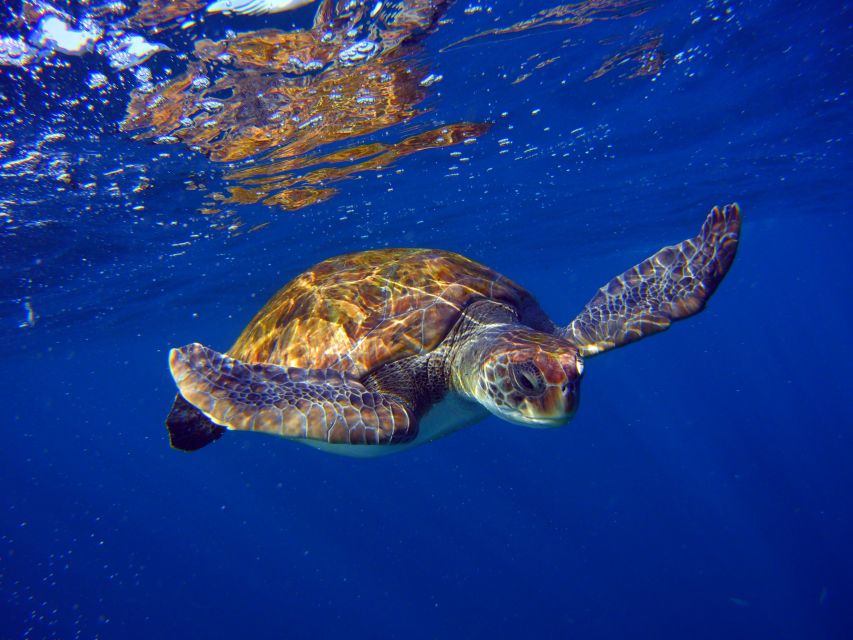
Tenerife is a practical choice because it’s a place where you can learn the fundamentals of becoming a safe scuba diver without making the whole trip about logistics. The course gives you the foundation that matters most early on: how your gear works together, how breathing and buoyancy feel underwater, and how to stay calm during setup and checks.
I also like the way the course is framed around safety and fun at the same time. The format is designed to help you learn under supervision, then prove your skills in steps. That sequence matters, because open water feels very different from a pool, even when conditions are friendly.
If you’re worried about whether you’ll be able to keep up, the limited group size is a real advantage. With up to 8 participants, you’re less likely to get lost in the shuffle, and you can ask questions when something feels confusing.
And yes, there’s an actual human stamp of approval here. The course has a 5 out of 5 rating from 1 review, and the feedback was simply Top from Monteiro in Switzerland.
Other things to do around Tenerife
- Southern Tenerife: 50-Minute Submarine Dive
★ 4.8 · 2,216 reviews - Tenerife: Your First Scuba Diving Experience in Turtle Area
★ 4.7 · 1,679 reviews - Tenerife: Beginner’s Dive at a Spot with Turtle Sightings
★ 4.7 · 627 reviews - Tenerife First Time Scuba Dive – Turtle Habitat, Small Groups
★ 4.5 · 456 reviews - Tenerife: Beginner Scuba Dive Experience
★ 4.8 · 238 reviews
Course Overview: Theory, Closed-Water Skills, Then the Sea
This is the SNSI Open Water Diver course, which is widely recognized and taught internationally. The training is organized so you’re not thrown into the ocean right away. You start with a video, then you move into hands-on practice.
The course structure, in plain terms:
- Theory: you watch a video explaining what you need to know
- Closed-water training: you practice core skills in a pool setting
- Open-water training: you complete 4 sea training descents after your pool work is approved
Your training happens in two days for this offering, even though the SNSI Open Water course is often described as taking 3 to 4 days. For you, the key takeaway is that the schedule is arranged to fit availability, so plan to be present for the full 2-day block.
Depth-wise, the open-water training has a target range of 6 to 18 meters. That’s specific enough to help you gauge comfort. It also means your instructors are building you toward real diver skills while staying within a training framework.
What Happens on Day 1: Video Theory and Pool Skill Drills
Day one is about building your understanding and muscle memory before you go anywhere near the open ocean. You begin by watching a video that covers the fundamentals you need to know. This isn’t just passive watching. It’s the setup for what comes next.
Then comes the equipment part, which is often where people feel overwhelmed when they start scuba. Here, you’re taught how to use basic scuba gear, including:
- mask
- snorkel
- fins
- regulator
- buoyancy control device (BCD)
- tank
The equipment you wear can vary depending on water conditions, since training can be tropical, temperate, or cold. In Tenerife, you should still expect you may be in gear that feels different from what you imagine from movies. That’s normal. The benefit is that you learn to adapt, not just copy.
After you’re fitted, you head into the pool or closed-water environment for skills practice. Your instructor puts into practice the techniques you learned in the theory. The training is logged and approved by your instructor before you progress to open water.
This step is one of the best parts of the course for first-timers. You get repeated chances to do the basics correctly, and your instructor can correct you before anything gets complicated in the sea.
What Happens on Day 2: Four Open-Water Training Descents to 18m
If day one builds confidence, day two turns it into real-world experience. Once your instructor has approved your pool work, you move to open water and complete 4 training descents with guided supervision.
The course focuses on helping you apply what you learned in controlled conditions to a more complex environment. In open water, conditions can feel less predictable than a pool, and your attention has to shift. You’ll need to manage buoyancy, breathing, and awareness at the same time.
The training depth range is 6 to 18 meters, which is high enough to feel like scuba, but still within a training range designed for new diver development. You are not being asked to “figure it out alone” at your limits.
Why this matters for you: completion is based on approval and progression, not luck or speed. If you take time to get comfortable in the closed-water phase, you’re usually better prepared for the ocean day, even if you feel a little nervous at first.
Heading further into Tenerife? Here's what else is nearby.
Certification: What SNSI Open Water Means for Your Future
By the time you finish the open-water requirements and get your skills signed off, you become a certified scuba diver through the SNSI Open Water pathway.
The course emphasizes that SNSI certification is recognized worldwide. Practically, that matters because it can keep future travel diving simpler. You’re not starting from scratch every time you want to try a new location.
Also, this course isn’t presented as a one-off “try it” experience. It is aimed at teaching you everything you need to dive safely all over the world, with the intent that your certification becomes your baseline.
If you’re trying to decide whether this type of course is worth it versus a casual introduction session, here’s the difference: you’re learning core gear use, skill processes, and safety habits designed to carry forward, not just getting a short first underwater moment.
Price and Value: What $683 Includes, and What’s Extra
The price is $683 per person for a 2-day format. For that amount, you get several items that reduce the hidden costs that often surprise people:
- course instruction
- insurance
- instructor
- SNSI registration fee
That’s a big part of the value. You’re not only paying for the lesson time, you’re also paying for the certification administration piece and the safety coverage included in the package.
What is not included is also important to plan for:
- photos and video
- food and drinks
- equipment rental, possible for an extra 50€
So if you budget only the advertised price, you could still get hit with a few extras. My practical advice: assume you’ll pay for food or plan to bring it, and check in advance whether you’ll need rental gear. If you already own your own mask and gear, you may be able to keep extra costs down, but the course itself is clear that equipment is not part of the included list.
Also, photos and video sound nice, but they’re optional. If you care about saving memories, ask what is offered and how packages work before you arrive.
Small Group Lessons With English and Spanish Support
This course runs as a small group limited to 8 participants. That’s one of those details that changes the feel of the training. In a larger group, you may wait your turn and feel less connected with your instructor. With a cap at 8, it’s easier to get hands-on coaching.
Language support is Spanish and English, which is ideal for mixed teams and solo travelers. When you’re learning gear setup and underwater procedures, clear instructions matter. If you speak either language, you’re set up to understand what’s happening and what you need to do next.
The instructor does the key safety work too, because your pool training is logged and approved before open water. That means your instructor is not just watching, they’re assessing whether you’re ready for the next stage.
Meeting Point and Practical Timing Tips
You meet at the Dive Center located at C/la ballena 17. The course duration here is listed as 2 days, and starting times depend on availability.
Because the schedule is flexible and arranged according to your wishes, it’s worth thinking about your travel plan. If you’re flying in the same day, build in cushion time. If you can, arrive the day before and relax, so you start day one calm and ready to focus.
Also, since food and drinks are not included, plan your meals around training times. Bring water, and keep it simple. Your brain will already be working hard on new skills.
What to Bring, and How to Prepare Mentally
The course includes instruction and the core training setup, but it doesn’t include food, photos, video, or equipment. So your preparation is mainly about getting yourself ready to learn.
Practical things to consider:
- If you do not have your own gear, ask about rental options early and plan for the possible 50€ cost.
- Plan for no included meals. Eat in a way that won’t upset your stomach before training.
- Expect a mix of classroom-style learning (video) and hands-on practice in closed water.
Mentally, go in with the right expectation. The goal is certification, not just a fun afternoon. You’ll likely feel a little awkward at first when you’re learning how everything connects, like regulator breathing and buoyancy control device adjustments. That’s normal. This course is designed to help you practice until you can do it reliably.
Who This Course Is Best For (and Who Should Skip It)
This SNSI Open Water course has clear suitability rules:
- Minimum age is 10 years old
- Not suitable for children under 10
- Not suitable for pregnant women
Beyond that, it’s a great fit if:
- you want a real certification path, not just an introductory experience
- you prefer a structured progression from theory to pool to open water
- you’re comfortable with a short, focused course rather than a longer vacation-shaped schedule
- you like learning in a small group setting
It may be less ideal if you want a slow, leisurely multi-day trip, because this is still training. Two days can pack in a lot of learning.
Should You Book This Tenerife Open Water Course?
I’d book this if you want an actual certification setup in a short timeframe, and you like the idea of controlled practice before open water. The included items, especially insurance and the SNSI registration fee, make the price feel more complete than courses that quietly add costs later.
I’d hesitate if you’re trying to travel ultra-light on expenses, because equipment rental can add 50€, and you’ll also need to plan for food and drinks. Also, if you’re someone who needs constant reassurance and very slow pacing, the training flow may feel intensive, even with the small group.
If you match the basics, this is a smart start. You get the structure, the safety progression, and the certification goal, with four supervised open-water training descents in the 6 to 18 meter range.
FAQ
How long is the Tenerife Open Water Scuba Diver course?
This specific offering is listed as 2 days.
How many open-water training descents are included?
You complete 4 open-water training descents in the sea.
What depth range is used for the open-water training?
The training depth is between 6 and 18 meters.
What certification do you get?
You receive SNSI Open Water Diver certification after you complete the training and get approval.
What’s included in the price?
The included items are the course, insurance, instructor, and the SNSI registration fee.
Is scuba equipment included?
Equipment is not included. Equipment rental may be available for an extra cost of 50€.
Are food and drinks included?
No, food and drinks are not included.
What languages are offered?
Instruction is available in Spanish and English.
What is the minimum age, and who is it not suitable for?
The minimum age is 10. It is not suitable for children under 10, and it is not suitable for pregnant women.
Just Added to the Tenerife Lineup
Scuba Diving, compared.
Your First Scuba Diving Experience in Turtle Area
Read our review →
Beginner’s Dive at a Spot with Turtle Sightings
Read our review →
Tenerife First Time Scuba Dive – Turtle Habitat, Small Groups
Read our review →
Try Dive – PADI Discover Scuba Diving in Tenerife
Read our review →
RECREATIONAL DIVE (certified divers only) : Explore Canarian Sealife
Read our review →
Browse the lists this tour appears in