
Reviewed · TEIDE STARGAZING TOURS
Teide National Park: Stargazing Experience
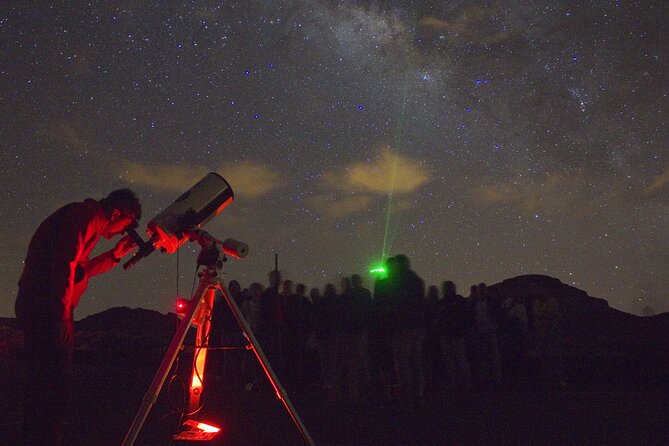
Teide’s night sky teaches you to navigate fast. This stargazing session runs right after sunset in Teide National Park, where darkness does the work and a pro guide keeps the whole 80 minutes organized. Teide National Park makes the stars feel close, not distant.
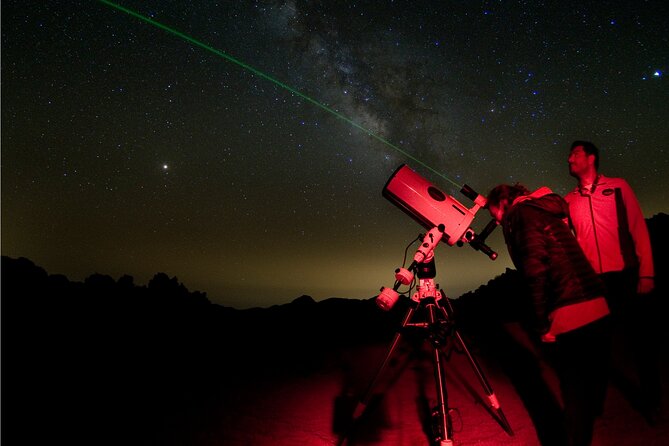
I love the Polaris-first orientation, where you start with the naked eye and learn to find the celestial north pole, then the zodiac and ecliptic lines. I also love the telescope time that follows, turning recognizable points in the sky into real views of planets and standout objects.
The main drawback is simple: it gets cold outside. Bring warm layers and warm shoes, because you are standing around and looking up for the full experience.
In This Review
- Key things I’d put on your radar
- Teide’s darkness does the heavy lifting for stargazing
- Finding the meeting spot at Minas de San José parking areas
- Naked-eye sky orientation: Polaris, constellations, and the zodiac
- Greek mythology as a fast way to remember star shapes
- Telescope time: planets and showpiece objects you can actually see
- Astrophoto telescope and follow-up images for your memory bank
- 80 minutes outside: what it demands and how to pace yourself
- Price and value of an expert-led night under the stars
- Should you book the Teide stargazing experience?
- FAQ
- Where is the meeting point for the Teide stargazing tour?
- How long is the stargazing experience?
- Is hotel pickup and drop-off included?
- What languages are offered on the tour?
- What should I bring for this tour?
- Are pets or unaccompanied minors allowed?
- What can I expect to see during the tour?
- Can I cancel for a full refund?
Key things I’d put on your radar
- Low light pollution setting: Teide National Park is built for stargazing, with safe access areas used for the tour.
- Orientation before magnification: you begin with naked-eye guidance, not straight to the telescope.
- Real sky navigation tools: Polaris, the celestial north pole, the ecliptic, and zodiac line markers help you follow along.
- Myth + science memory trick: Greek mythology is used to teach shapes and positions in the sky.
- High-grade telescopes and astrophoto gear: you can observe major targets through the scopes.
- After-tour images may happen: some guides send star cluster and galaxy photos after the session.
Teide’s darkness does the heavy lifting for stargazing
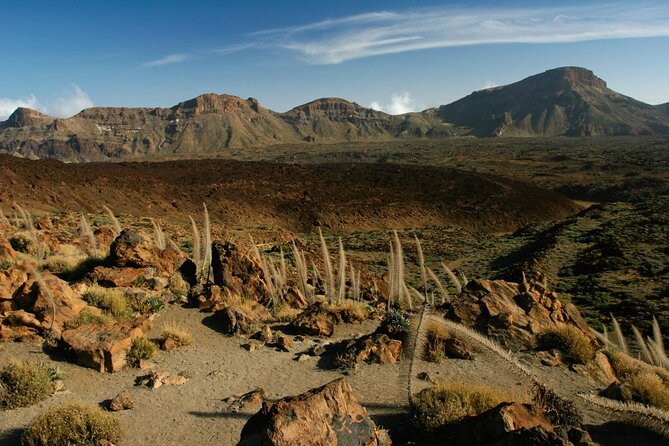
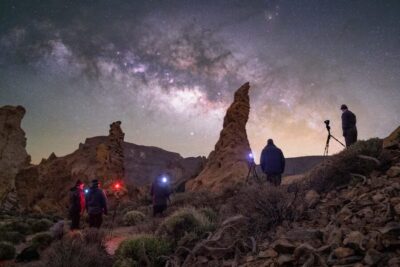
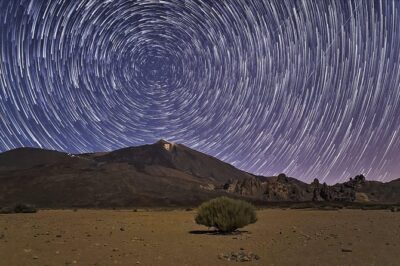
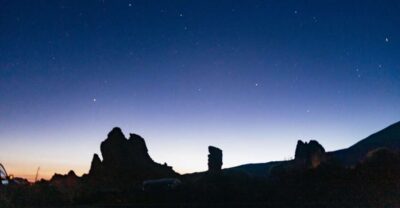
If your last stargazing attempt involved streetlights, this will feel different right away. Teide National Park is chosen specifically because the sky stays dark enough for both naked-eye constellations and telescope views to shine.
What I like here is the balance. You are not just looking through glass and guessing what you are seeing. You start learning the sky as a map, so the night turns into something you can actually navigate.
Also, Tenerife’s nighttime atmosphere can be very crisp, which helps with the experience even if you never touch a telescope yourself. The whole point is to make the universe feel readable, not random.
One of the clearest night skies anywhere
- Tenerife: Teide National Park Sunset & Stargazing Tour
★ 4.2 · 3,812 reviews - Tenerife: Sunset and Stargazing at Teide National Park
★ 4.7 · 2,826 reviews - Teide National Park Sunset & Stargazing with Dinner (Star Safari)
★ 5.0 · 2,601 reviews - Teide National Park: Sunset & Stargazing Safari with Dinner
★ 4.6 · 2,115 reviews - Teide by Night: Sunset & Stargazing with Telescopes Experience
★ 4.5 · 1,492 reviews
Finding the meeting spot at Minas de San José parking areas
You meet at the parking area just in front of Minas de San José natural environment. The exact lot depends on where you are coming from.
- If you come from the south, it is the second car park on the right.
- If you come from the north, it is the first car park on the left.
Plan to arrive with a little slack. After sunset, you will be more focused on finding the group and getting comfortable than on searching for signs.
And quick practical note: there is no hotel pickup or drop-off listed. So you will want your own plan for getting there, whether that is a rental car or another local transport option.
Naked-eye sky orientation: Polaris, constellations, and the zodiac
The tour starts after sunset and builds in a smart order: your eyes first, then the telescopes. You begin with naked-eye viewing, then you learn how to recognize major stars and constellations.
A standout part of the orientation is that you practice locating Polaris and the celestial north pole. Once you understand where north is in the sky, lots of other things become easier to follow.
Then the guide walks you through the ecliptic and the zodiac line. This is more than a history lesson. It gives you a framework for why planets and constellations appear in predictable regions of the sky.
They also connect the shapes you see to Greek mythology. That helps a lot if you struggle with remembering star patterns. A story is easier to recall than a cluster of dots.
Greek mythology as a fast way to remember star shapes
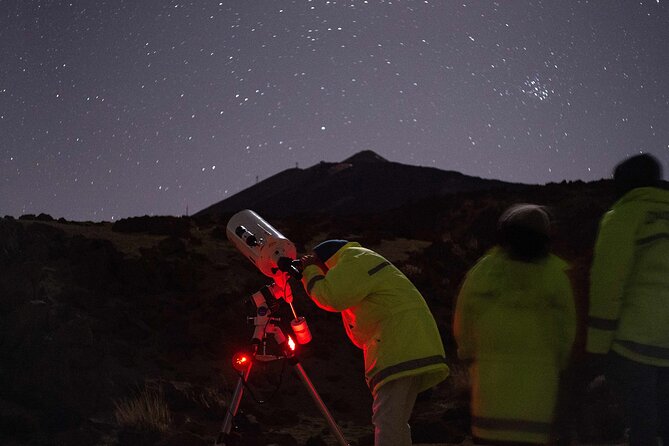
I like this part because it solves a common problem. People often leave stargazing feeling impressed but unable to recreate the experience later.
By tying constellations to Greek myths, the guide gives you mental anchors. When you learn how a particular shape is described in mythology, you tend to remember where it sits and what it looks like next time you glance up.
You also get hands-on navigation, meaning you follow the guide’s pointing and learn the layout while you are actually seeing it. That is the difference between hearing about astronomy and using it in real time.
If you want the night to feel like a skill you can keep, this section is where it starts.
The volcano that gives the island its shape
Telescope time: planets and showpiece objects you can actually see
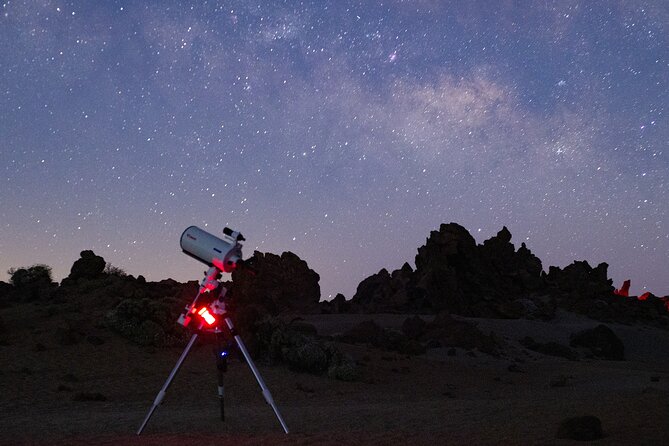
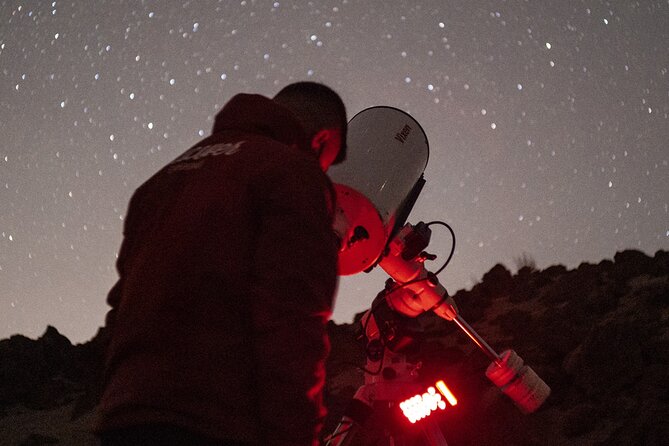
Once orientation is in place, the tour moves to telescopes. You will observe outstanding celestial objects through the high-grade telescopes used by the professional astronomy guide and staff.
This is where the night gets wow-worthy in a practical way. Planets can look like true objects rather than just dots, and brighter deep-sky targets look more structured than you expect.
From the types of targets the tour has highlighted, you may see things like:
- Jupiter and Saturn, including Saturn’s and Jupiter’s moon views when conditions allow
- Mars
- Orion Nebula
- Andromeda Galaxy
- The Milky Way
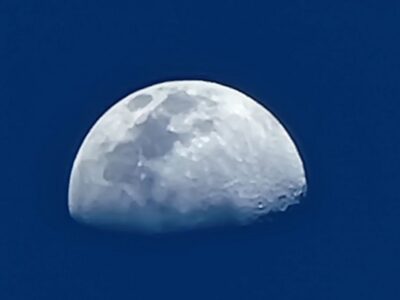
Your exact targets depend on what is visible from the park that night, and you should also consider moon conditions. The tour specifically asks you to be aware of the moon’s cyclical nature when booking, since moonlight can wash out faint objects.
Astrophoto telescope and follow-up images for your memory bank
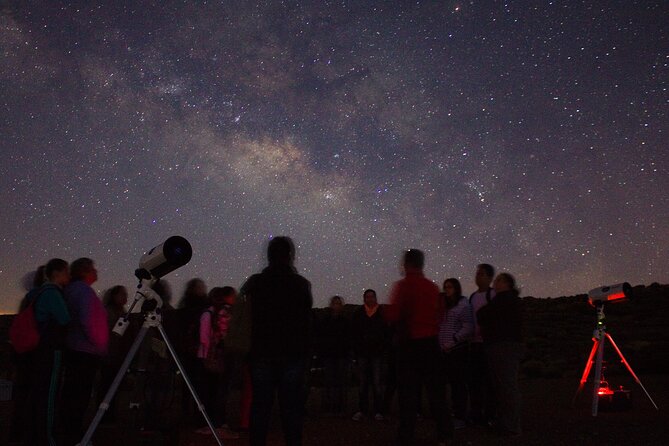
The experience also includes an astrophoto telescope, so your viewing is not just for the moment. The idea is to turn what you see into stunning images, not just pictures you take on your phone.
And if you are hoping to bring something home beyond a cold selfie, this is a good sign: some tours send photos after the session, including a star cluster image and a galaxy image. Even when you do not get a full photo set, the expectation is clear that you are meant to leave with more than blurry memories.
This also helps you share what you saw with friends who were not there. When the guide’s targets and your photos line up, the night feels more real.
80 minutes outside: what it demands and how to pace yourself
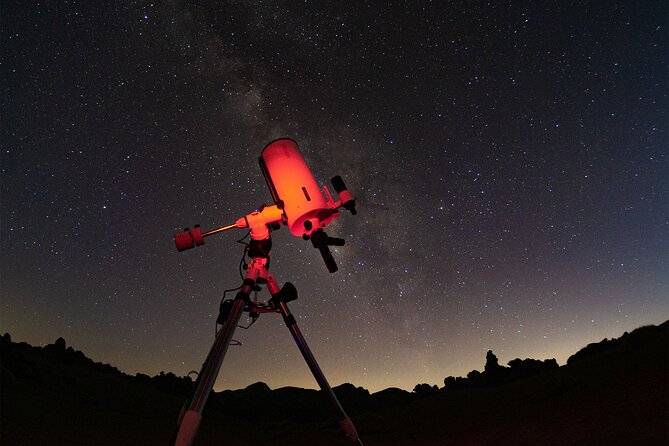
This is an 80-minute experience, and it is structured for learning, not for sitting at a slow pace. You will be outside after sunset, moving between naked-eye guidance and telescope viewing.
So you need the basics right:
- Comfortable shoes
- Warm clothing
- Warm shoes
Even if you come prepared for mild evening weather, expect wind chill and real cold at altitude. One useful example from prior nights was temperatures around 14 C with strong wind, after spending about two hours outside.
If you have respiratory issues or heart problems, this is likely not a good fit, since it is an outdoor night activity with standing and cold exposure. Also, pets are not allowed, and unaccompanied minors are not permitted.
A small but important mindset shift: dress for discomfort avoidance, not for fashion. You are paying for your view, so protect your body first.
Price and value of an expert-led night under the stars
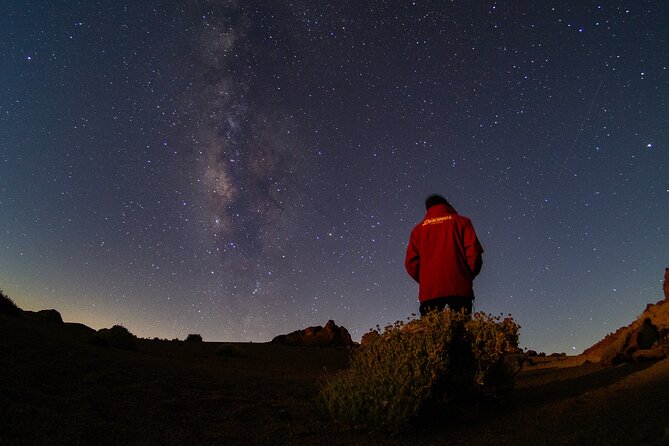
The price is listed at $41 per person for an 80-minute guided session. That is not the cheapest thing on Tenerife, but it can be strong value for three reasons.
First, you are paying for a professional astronomical guide and staff, plus telescope-based observation, not just a self-guided walk. Second, the setting is Teide National Park, chosen for low light pollution and safe access areas for stargazing. Third, insurance is included during the tour, which adds peace of mind.
What you should not expect: dinner and hotel pickup/drop-off are not included. You will want a separate plan for getting there and for food before or after.
If you want a night that feels educational and social without needing to be an astronomy nerd, this kind of guided structure is exactly where your money goes.
Should you book the Teide stargazing experience?
I recommend it if you want a guided sky you can understand, not just pretty darkness. The order matters here: you start by finding north with Polaris, then you learn the zodiac and ecliptic, and only then do the telescopes take over.
Skip it if you know cold outdoor standing will be a problem for your health, especially if you have heart or respiratory issues. Also, if you need hotel pickup or a full dinner included, this tour will feel incomplete, because those are not part of the package.
If you do book, treat clothing as part of your reservation. Your view will be limited less by the clouds than by how comfortable you feel.
FAQ
Where is the meeting point for the Teide stargazing tour?
Meet in the parking area just in front of the natural environment of Minas de San José. From the south, it is the second car park on the right, and from the north, it is the first car park on the left.
How long is the stargazing experience?
The duration is 80 minutes.
Is hotel pickup and drop-off included?
No, hotel pickup and drop-off are not included.
What languages are offered on the tour?
The live tour guide is available in Spanish and English.
What should I bring for this tour?
Bring comfortable shoes and warm clothing, plus warm shoes. Temperatures are low, so dressing for cold is essential.
Are pets or unaccompanied minors allowed?
Pets are not allowed, and unaccompanied minors are not allowed.
What can I expect to see during the tour?
You will start with naked-eye views of stars and constellations, including Polaris and the celestial north pole. You will also observe objects and planets through telescopes, with examples in past nights including planets like Jupiter and Saturn.
Can I cancel for a full refund?
Yes. Free cancellation is available up to 24 hours in advance for a full refund.
More National Parks in Tenerife
- Tenerife: Snorkeling Tour in a Marine Protected Area★ 4.9 · 636 reviews
- Tenerife: Teide National Park Guided Buggy Tour★ 4.7 · 609 reviews
- Small Group Teide National Park Volcanic and Forest Wonders★ 5.0 · 402 reviews
- Tenerife. Stargazing in Teide National Park★ 4.9 · 319 reviews
- Teide National Park: Guided Large Telescope Stargazing Tour★ 4.9 · 319 reviews
Just Added to the Tenerife Lineup
Teide Stargazing Tours, compared.
Teide National Park Sunset & Stargazing with Dinner (Star Safari)
Read our review →
Teide National Park: Sunset & Stargazing Safari with Dinner
Read our review →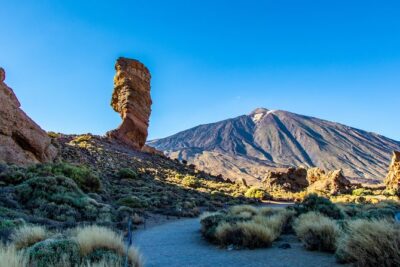
Teide by Night: Sunset & Stargazing with Telescopes Experience
Read our review →
Teide: Guided Sunset & Stargazing Tour by Night with Dinner
Read our review →
Teide Night Experience with Dinner and Stargazing
Read our review →Browse the lists this tour appears in