
Reviewed · SCUBA DIVING
SSI Wreck Diving Specialty in Tenerife
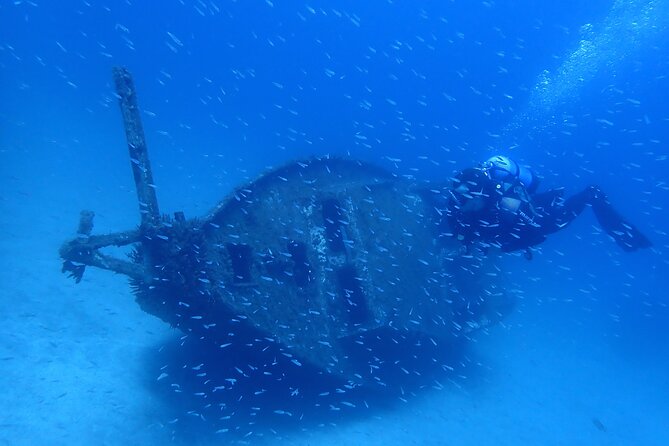
Sunken wrecks turn a normal day into a mission. This SSI wreck specialty in Tenerife focuses on the skills you need to explore sunken boats and other man-made surprises safely, with a setup built around hotel pickup and a smooth, half-day schedule.
I like two things right away: the emphasis on safe wreck techniques (not just sightseeing), and the convenience of being picked up and returned to the same meeting spot. One thing to consider is that you need to be medically cleared for the activity, since a health questionnaire is required and certain conditions may prevent participation.
In This Review
- Where this wreck specialty fits into your Tenerife plans
- Key highlights worth noting
- SSI wreck specialty in Tenerife: what makes it special
- Meeting point and pickup: how the morning runs at 9:00 am
- What wreck exploration training focuses on (and why it matters)
- The kinds of wrecks you’ll learn about in the specialty
- El Penon in Tabaiba: what to expect from the shore sessions
- Duration and pacing: about 4 hours, not a whole day
- Included extras: pickup, transport, and food that actually helps
- Price and value: is $336 reasonable for a wreck specialty?
- Who should do this course, and who might want to rethink it
- Health questionnaire, flying limits, and passport: the unglamorous essentials
- Quick reality check on cancellations and time
- Should you book GooDiving’s SSI wreck specialty in Tenerife?
- FAQ
- Where is the meeting point for this experience?
- What time does the experience start?
- How long does the SSI wreck specialty course last?
- Is hotel pickup included?
- What transport is provided?
- What is included in the price?
- Are souvenir photos included?
- Do I need a passport?
- Do you require a health questionnaire?
- Is it safe to dive if I recently flew?
- Is this a private tour or shared with others?
Where this wreck specialty fits into your Tenerife plans
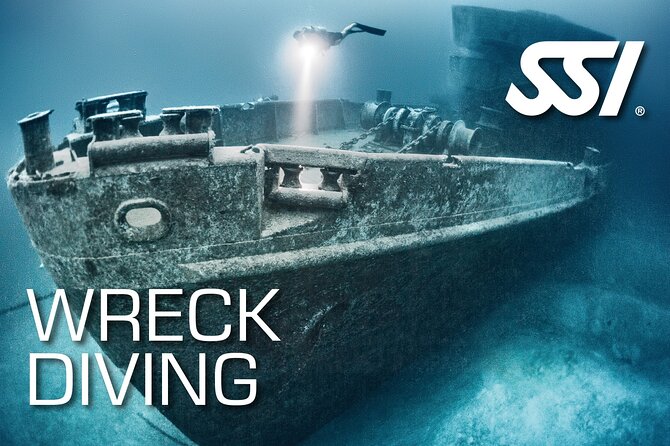
If you’ve already done a few open-water scuba sessions, this is a smart next step. It gives you structured practice and guidance around wreck interiors and wreck-adjacent areas, where staying calm and controlled matters more than thrill-seeking. It also helps you plan your day around a clear start time, 9:00 am, and an experience that runs about 4 hours.
Key highlights worth noting
- Hotel pickup and drop-off so you spend less time herding gear and more time on the water
- Two shore sessions based on one real course experience at El Penon in Tabaiba
- Course focus on wreck safety, meaning technique first, exploration second
- Beverages and snacks included for a low-stress pre and post-session day
- Private tour setup, just your group
- Mobile ticket provided, which keeps the day simple
Other things to do around Tenerife
- Southern Tenerife: 50-Minute Submarine Dive
★ 4.8 · 2,216 reviews - Tenerife: Your First Scuba Diving Experience in Turtle Area
★ 4.7 · 1,679 reviews - Tenerife: Beginner’s Dive at a Spot with Turtle Sightings
★ 4.7 · 627 reviews - Tenerife First Time Scuba Dive – Turtle Habitat, Small Groups
★ 4.5 · 456 reviews - Tenerife: Beginner Scuba Dive Experience
★ 4.8 · 238 reviews
SSI wreck specialty in Tenerife: what makes it special
Wreck exploration is one of those things that sounds romantic until you’re actually there. A sunken boat, airplane, or even a car can look like an underwater playground, but the real value is learning how to handle it with control. This course is built around that idea: the “mystery” is fun, while the technique is what keeps you safe.
The Tenerife location matters, too. This is a place where wreck interest is common, and your training is likely to include practical work around how you move near structures and how you approach enclosed or semi-enclosed spaces thoughtfully. You also get the benefit of a guided format, not a random “go figure it out” attitude.
One more practical win is the half-day length. About 4 hours means you can still plan the rest of your day for beaches, viewpoints, or food, without turning this into your whole trip. For a specialty course, that’s excellent time management.
Meeting point and pickup: how the morning runs at 9:00 am
The day starts at GooDivingUrb Terrazas de la Paz, 113 Av de Jose Miguel Galvan Bello, Arona, 38639 Golf del Sur, Santa Cruz de Tenerife, Spain. Start time is 9:00 am, and the activity ends back at the meeting point.
You’ll want to plan to arrive a bit early, because you need time to check in, gear up, and complete any required health steps. If you’re staying nearby, that helps. If not, the good news is that pickup is offered, and one course experience includes being picked up from where the diver was staying before heading toward Tabaiba.
Also, the meeting point is near public transportation. That matters if you’re not using a car and prefer to be flexible. The provider uses an air-conditioned minivan for transport, which is a small comfort but a real one in warmer weather.
What wreck exploration training focuses on (and why it matters)
The course promise is simple: learn how to proper explore a wreck. The key word is explore, because wrecks are not just photos. They are physical environments that can create problems fast, like limited visibility, tight angles, and the temptation to push deeper into areas you’re not ready for.
Here’s how I’d interpret the training value for you:
- You learn what to do before you enter a wreck area, so you’re not making decisions underwater.
- You build better awareness around positioning and control, so you can move without stirring up silt or losing your bearings.
- You practice thinking through safety choices, because wrecks can be unpredictable even when they look calm from the surface.
This is also where structure beats guesswork. You’re not relying on luck or “winging it.” You’re getting taught and guided, which is especially important if you’re transitioning from basic scuba skills to wreck-specific behavior.
Heading further into Tenerife? Here's what else is nearby.
The kinds of wrecks you’ll learn about in the specialty
The course information points to a range of wrecks, including sunken boats, airplanes, helicopters, and cars. That doesn’t guarantee you’ll see every type on every day, but it tells you the training concept is broad.
In practical terms, that matters because wrecks differ:
- A boat wreck often means lots of angles, rails, and partial openings.
- An aircraft wreck can change how you manage space and lines of sight.
- Vehicles and other objects can create tight spots and unusual navigation.
Even if you only do one or two sites, learning the general approach across wreck types can help you understand what you’re looking at and how to plan movement safely. And that is the real takeaway you can carry to future water days.
El Penon in Tabaiba: what to expect from the shore sessions
One real course experience referenced El Penon in Tabaiba and described two shore sessions, plus exploring El Penon. That’s a useful detail for you, because shore-based training can feel different than boat-based work, especially when you consider entry, exit, and how you stage gear.
Here’s what you should expect from a shore-based wreck exploration day:
- More time thinking about logistics on land, since you’re moving between check-in, shore access, and gear management.
- A clearer sense of where you are before you enter the water, which helps you relax and focus on technique once you’re submerged.
- A setup that can support practical wreck behavior, because you can repeat key movements and concepts across two sessions.
Also, shore work often brings a bit more self-reliance. You still have instructors and guidance, but you’re closer to the “real world” reality of getting ready without a full boat operation. If you like hands-on learning and you want more control over your own routine, this format can be a good match.
Duration and pacing: about 4 hours, not a whole day
The entire experience is about 4 hours. That’s long enough for meaningful practice, short enough to avoid turning into a travel-day marathon.
I like half-day scuba plans for one simple reason: they keep your energy stable. You’re not stuck exhausted before the main moment, and you can still have a normal meal after. You also get a start at 9:00 am, which often helps with smoother logistics and decent light for spotting features during surface prep.
Because it’s structured, you’ll likely feel like you have a goal for each part of the morning. That’s what makes specialty training worth paying for, instead of paying for a random outing.
Included extras: pickup, transport, and food that actually helps
The included items are straightforward:
- Hotel pickup and drop-off
- Transport by air-conditioned minivan
- Beverages
- Snacks
This is a good value mix for a specialty course. Pickup and air-conditioned transport reduce stress. Food and drinks reduce the chance you’re hungry, distracted, or under-fueled for the early start. For me, those small comforts are not “extras,” they protect the quality of the experience.
One small note: souvenir photos are not included. If you want photos, budget for purchases on-site. If you don’t care about printed souvenirs, you can treat it as optional and move on.
Price and value: is $336 reasonable for a wreck specialty?
The price is $336.00 per person. That sounds high if you’re thinking like it’s just a sightseeing trip. But for a wreck specialty format, what you’re buying is training time, safety focus, and guided underwater support.
Here’s how I’d assess value for you:
- You get a half-day structure with pickup and return, so you’re not spending extra time and transport costs piecing the day together.
- You’re learning wreck exploration technique, which is the part that protects you in future wreck encounters, not only on the training day.
- You’re in a private tour setup, meaning your group is not competing with other people for instructor time.
Booking trends show it’s booked about 30 days in advance on average. That’s a hint that this isn’t a “wait until the last minute” kind of activity if you want a specific schedule.
Bottom line: $336 can make sense if you treat it as training, not entertainment. If you’re mainly after a dramatic wreck photo, it might feel less cost-effective than a pure guided outing. But if you’re ready to improve your wreck approach and comfort level, it’s the kind of payment that pays off later.
Who should do this course, and who might want to rethink it
This experience is designed for people who already have enough scuba background that wreck exploration is the next logical step. It says most travelers can participate, and that fits divers moving from basic underwater skills toward specialty behavior.
It may be a great fit if you:
- Want safety-focused instruction for wreck areas
- Prefer structured learning over trying wreck navigation on your own
- Like shore-based practical sessions, like the example of El Penon in Tabaiba
It might not be the best fit if you:
- Feel uneasy about medical requirements, because you must complete a health questionnaire
- Are expecting a purely relaxed sightseeing session, since the focus is technique and proper exploration
If you’re healthy and you’re motivated to learn, this is a smart, focused way to level up.
Health questionnaire, flying limits, and passport: the unglamorous essentials
You’ll need to know the practical rules before you plan your Tenerife week.
You are not recommended to dive within 24 hours of flying. That’s important if you’re combining this with a flight day. You’ll also complete a health questionnaire prior to the activity. Some pre-existing medical conditions, like asthma or heart conditions, may prevent diving, so it’s best to talk to your doctor if you’re unsure.
A current valid passport is required on the day of travel. That’s a reminder that this is a real booked activity with real checks, not an informal meet-and-go.
The good news is that confirmation happens at booking time. So you should have what you need to plan your day, including a mobile ticket.
Quick reality check on cancellations and time
Free cancellation is available. You can cancel up to 24 hours in advance for a full refund, and changes within 24 hours of the start time are not accepted.
I treat this as a good safety net, but it should not be your strategy. Specialty courses depend on schedules and conditions. If weather or your health status changes, check the policy early rather than waiting until the last minute.
Should you book GooDiving’s SSI wreck specialty in Tenerife?
I’d book this if you want guided wreck exploration with a safety-first mindset and you’re already past the early learning stage. The standout strengths are the structured technique focus and the convenience of pickup, transport, and basic refreshments, plus an example that includes two shore sessions at El Penon in Tabaiba.
I’d skip it or pause if you’re not ready for medical screening. The questionnaire requirement is non-negotiable, and the flying timing rule matters if your schedule is tight. Also consider the souvenir photos situation if you care about photos enough to buy them.
If your goal is to learn how to handle wreck environments more confidently, this is a solid way to spend a half-day in Tenerife, and it can turn wreck curiosity into real capability.
FAQ
Where is the meeting point for this experience?
The start point is GooDivingUrb Terrazas de la Paz, 113 Av de Jose Miguel Galvan Bello, Arona, 38639 Golf del Sur, Santa Cruz de Tenerife, Spain.
What time does the experience start?
The start time is 9:00 am.
How long does the SSI wreck specialty course last?
The duration is approximately 4 hours.
Is hotel pickup included?
Yes. Hotel pickup and drop-off are included.
What transport is provided?
You get transport by air-conditioned minivan.
What is included in the price?
Included items are hotel pickup and drop-off, air-conditioned transport, beverages, snacks, and a mobile ticket.
Are souvenir photos included?
No. Souvenir photos are not included, but they are available to purchase.
Do I need a passport?
Yes. A current valid passport is required on the day of travel.
Do you require a health questionnaire?
Yes. All participants must complete a health questionnaire prior to diving.
Is it safe to dive if I recently flew?
Diving within 24 hours of flying is not recommended.
Is this a private tour or shared with others?
This is a private tour/activity, and only your group participates.
Just Added to the Tenerife Lineup
Scuba Diving, compared.
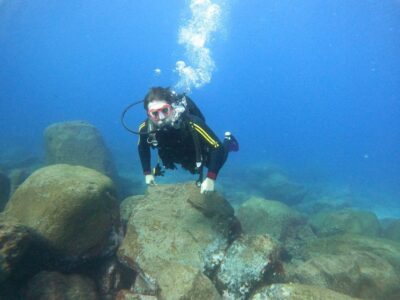
Your First Scuba Diving Experience in Turtle Area
Read our review →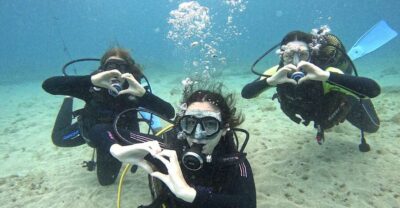
Beginner’s Dive at a Spot with Turtle Sightings
Read our review →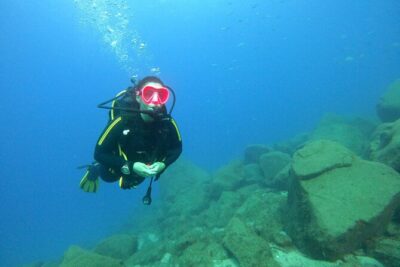
Tenerife First Time Scuba Dive – Turtle Habitat, Small Groups
Read our review →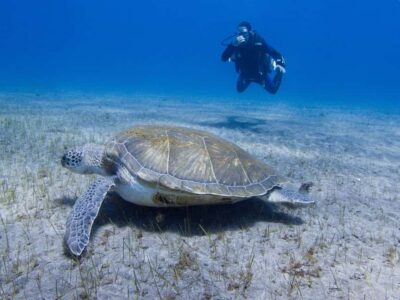
Try Dive – PADI Discover Scuba Diving in Tenerife
Read our review →
RECREATIONAL DIVE (certified divers only) : Explore Canarian Sealife
Read our review →
Browse the lists this tour appears in