
Reviewed · TEIDE STARGAZING TOURS
Private stargazing trip in Teide
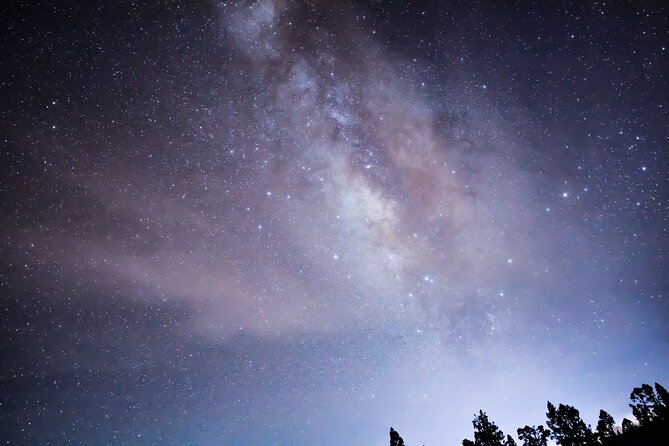
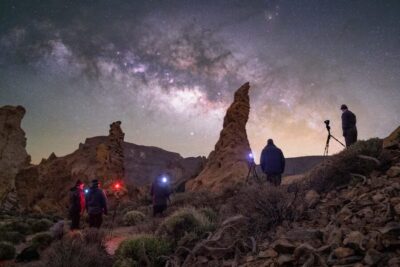
The first time you get pointed at the sky, it suddenly feels close. This private stargazing trip in Tenerife focuses on astronomy start to finish, with a professional team explaining what you are seeing and where to look. I love the 12-inch Dobsonian telescopes at this scale, and I also like that you get free long exposure photos to take the night home in a more “wow” way. One thing to plan for is the cold, even in good conditions, since the experience is outdoors and the sky part of the program runs at night.
I also like how the session mixes teaching with hands-on observing. You will have astronomers presenting using a screen and a laser, and a specialized astropotographer captures images in real time using a robotic telescope aimed at different celestial objects. The only drawback is that if weather is bad, this activity depends on good skies and may be rescheduled or refunded.
In This Review
- Key points to know before you go
- Your two-hour itinerary: what happens when the sky turns on
- Meeting up at Paradores Cañadas del Teide (and timing it right)
- The pro-led sky presentation with screen and laser
- Viewing through 12-inch Dobsonians: the practical magic of good gear
- The robotic astrophotography moment: watching images get made live
- What to wear: cold comfort without overthinking it
- Price and value: why $29.52 can make sense here
- Who this stargazing trip is best for
- Weather is the real deciding factor
- Should you book this Teide stargazing trip?
- FAQ
- How long is the private stargazing trip in Teide?
- What time does it run?
- Where do we meet for the stargazing trip?
- Are private transportation costs included?
- Are jackets or blankets provided?
- What telescopes are used for stargazing?
- How many telescopes are there for a group?
- Is there astrophotography during the session?
- Do you receive photos from the activity?
- What is the cancellation policy?
Key points to know before you go
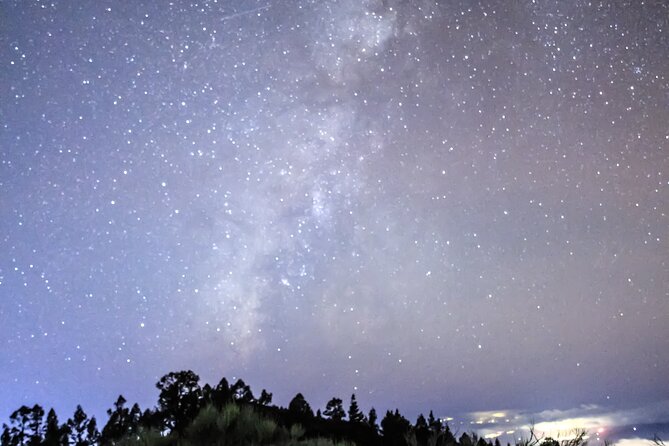
- 12-inch Dobsonian telescopes, with one telescope for about every 10 people
- Astronomers present live, using a screen plus a laser to guide your eyes
- Real-time astrophotography, done by a specialized astropotographer with a robotic telescope
- Free long exposure photos, plus a free souvenir photo
- Cold-weather gear provided, jackets or blankets included
- Small group size, with a maximum of 30 travelers
Your two-hour itinerary: what happens when the sky turns on
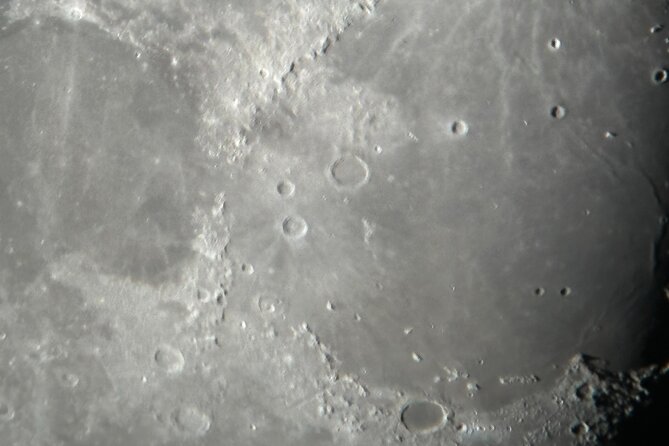
This is a tight, focused evening. The whole experience runs for about 2 hours, starting at night at 8:00 PM. That matters, because stargazing works best when you are not rushing. You want time to settle in, adjust your eyes, and actually follow the guide’s pointing and explanations.
The session ends back at the meeting point, so you avoid that awkward moment of realizing you are far from where you started. It is also the kind of plan that works well if you have already done daytime sightseeing in Tenerife. After sunset, you get a different pace, one where the “main attraction” is above you.
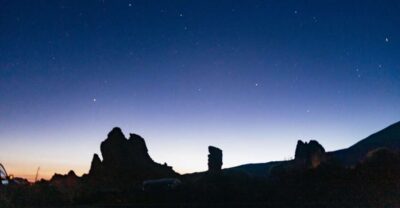
One of the clearest night skies anywhere
- Tenerife: Teide National Park Sunset & Stargazing Tour
★ 4.2 · 3,812 reviews - Tenerife: Sunset and Stargazing at Teide National Park
★ 4.7 · 2,826 reviews - Teide National Park Sunset & Stargazing with Dinner (Star Safari)
★ 5.0 · 2,601 reviews - Teide National Park: Sunset & Stargazing Safari with Dinner
★ 4.6 · 2,115 reviews - Teide by Night: Sunset & Stargazing with Telescopes Experience
★ 4.5 · 1,492 reviews
Meeting up at Paradores Cañadas del Teide (and timing it right)
You will meet at 6879+3G Paradores Cañadas del Teide (the listing shows it twice, including 6879+3GJ Paradores Cañadas del Teide, Spain). The big win here is clarity. You do not have to hunt for a hidden meeting spot.
The trip runs on Mondays during the listed operating window, 02/18/2024 to 06/17/2026, and the stated time is 8:00 PM to 10:00 PM. If you can, plan to arrive a few minutes early. Nights can run cold fast, and when the telescopes are ready you will want to be ready too.
Also keep in mind the group limit: up to 30 travelers. That is small enough for a guided feel, but big enough that you should expect a little waiting as everyone takes turns with equipment and photos.
The pro-led sky presentation with screen and laser
Before anyone starts fiddling with eyepieces, you get the “start here” portion. Professional astronomers explain the sky from beginning to end, and they do it in a way that helps you connect what is in the sky with what you see through the telescope.
Two tools make this easier: a screen and a laser. The laser is especially helpful for stargazing nights, because it gives your eyes a target. Instead of scanning randomly, you follow where the instructor is pointing. That turns stargazing from guesswork into a guided hunt.
From the experience feedback I picked up, the communication style is a big part of the success. One name that comes through clearly is Samuel, described as friendly and with clear explanations. When a guide can translate astronomy into plain language, the whole night clicks faster for beginners.
Viewing through 12-inch Dobsonians: the practical magic of good gear
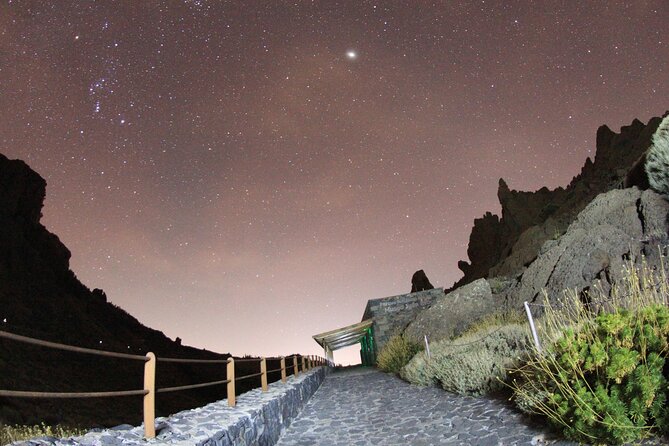
Here is the heart of the night: stargazing with 12-inch diameter Dobsonian telescopes. The setup is designed so you are not crowded in a single eye-to-eyepiece line. The ratio is one telescope for every 10 people, and that is a realistic way to keep the experience moving.
Why the Dobsonian format matters: it is built for serious observing without being fussy. You are spending your time looking at objects, not wrestling with complicated alignment steps. It also means the guide can focus on helping you understand what you are seeing, like how brightness and shape can look different depending on the object.
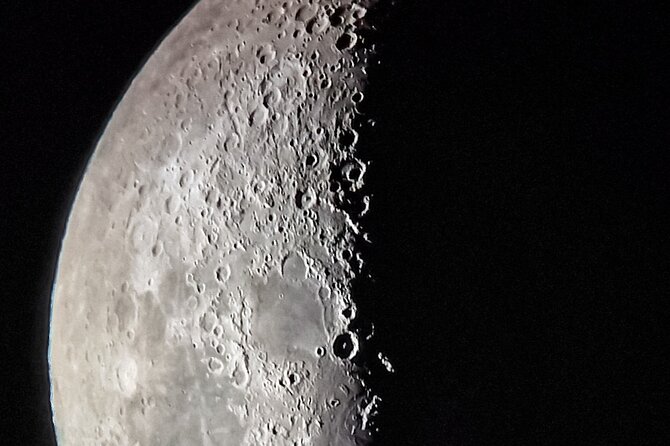
And yes, this is a “real observing” scenario. The point is to use professional telescopes to show you celestial objects, not just hand out quick photos and run. For most people, that is where the value is. You get to actually see the night sky through proper optics.
The volcano that gives the island its shape
The robotic astrophotography moment: watching images get made live
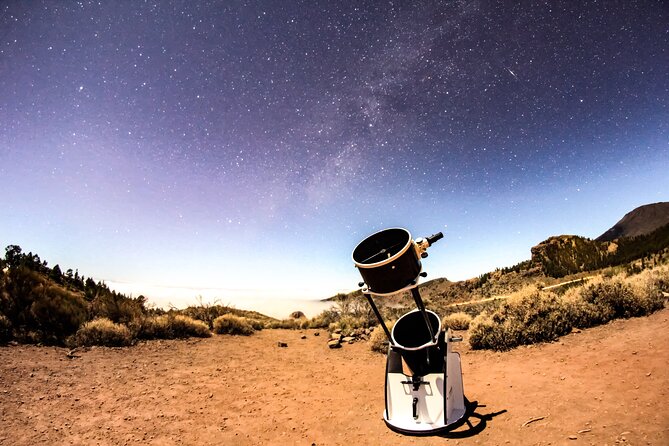
One of the most distinctive parts is the photography side. A specialized astropotographer takes photos in real time with a robotic telescope. The program aims at various celestial objects, so the camera work is not just one static target.
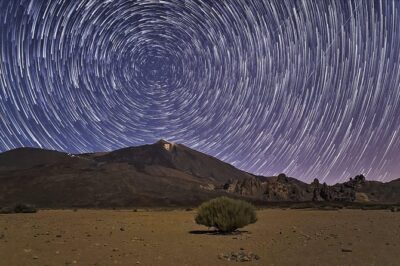
This is not simply about aesthetics. Seeing how long exposure astrophotography works makes your observing experience feel more complete. You watch the idea of “collecting light” happen as the images are captured.
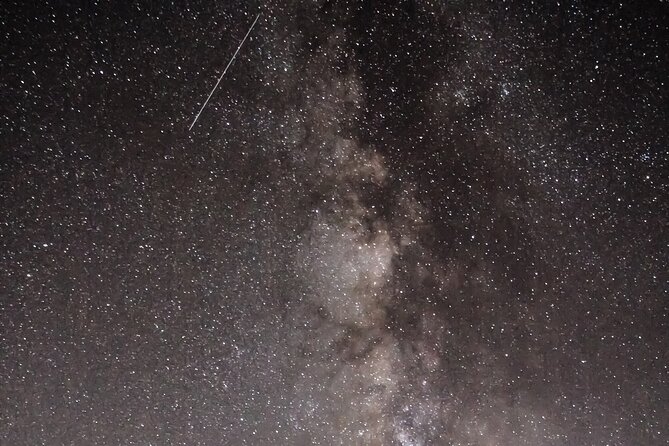
Then there is the payoff: free long exposure photos. That is a big deal for value, because you are not paying extra for image delivery or relying on your own camera settings to get usable results. Even if you take photos on your phone, the long exposure captures give you something you would probably not nail on your first try.
The night also includes a free souvenir photo. That is a nice, simple keepsake, and it lowers the stress of trying to capture everything yourself while you are also learning the sky.
What to wear: cold comfort without overthinking it
Stargazing nights can get chilly quickly, because you are standing around looking upward and waiting for the right moments. The good news is that jackets or blankets are provided.
So you do not need to “hero up” with heavy clothing if you do not own it. Still, I recommend wearing warm layers underneath, especially if you run cold. Provided gear helps, but you will be much happier if you treat it as a bonus, not the only protection.
You also want to think about your comfort around the telescopes. If you are bundled up but your shoes are thin or your hands are cold, you will feel it during the observing turns. Keep it simple: warm socks, gloves if you have them, and clothes you can stand in for a while without getting stiff.
Price and value: why $29.52 can make sense here
At $29.52 per person, this is priced like a budget-friendly activity, not a luxury-only astronomy night. The value is not just the telescope. It is the combination.
You are getting:
- professional astronomers guiding you with screen and laser
- multiple 12-inch telescopes sized for real viewing
- free long exposure astrophotos and a souvenir photo
- cold-weather gear (jackets or blankets)
When you compare that to what typically costs more elsewhere, the key is that you are paying for expertise plus equipment plus the photography output. That is why the price can work even if you only have one night to do something memorable.
One more smart detail: you get a mobile ticket. That cuts down on friction, and it keeps the focus on the experience, not paperwork.
Who this stargazing trip is best for
This is a strong pick if you are:
- a first-timer who wants a guided path through the sky
- a camera-curious person who wants astrophotos without becoming an expert
- traveling with mixed ages and skill levels, because the explanations help and the telescopes are distributed
The experience is labeled as one where most travelers can participate. Service animals are allowed too, which is helpful if you travel with one.
If you already know astronomy well, you might still enjoy the session for the photos and the guided observing flow. Just know that this is designed for a broad audience, so it focuses on clarity and experience, not advanced research-grade training.
Weather is the real deciding factor
This activity requires good weather. If it is canceled due to poor weather, you will be offered a different date or a full refund.
That is important because stargazing is not just “nice views.” Cloud cover and bad conditions can shut down both observing and astrophotography. So build flexibility into your Tenerife schedule. If you only have one night that can work, you might want to keep the rest of your plans light around Monday evening.
Should you book this Teide stargazing trip?
If you want an astronomy night with clear guidance, real telescopes, and photographic results you do not have to troubleshoot yourself, I would book it. The combination of 12-inch Dobsonians, a pro-led sky presentation, and free long exposure photos gives you multiple ways to enjoy the same night: seeing, learning, and taking something home.
Book it with one caveat in mind: it is weather dependent. If you can handle a reschedule, you will be in a great spot to get the full experience. If you are the type who likes practical tours with tangible takeaways, this one makes a strong case.
FAQ
How long is the private stargazing trip in Teide?
The experience lasts about 2 hours.
What time does it run?
The listed opening hours show Monday from 8:00 PM to 10:00 PM.
Where do we meet for the stargazing trip?
The meeting point is listed as 6879+3G Paradores Cañadas del Teide, Spain (also shown as 6879+3GJ Paradores Cañadas del Teide, Spain).
Are private transportation costs included?
No. Private transportation is not included.
Are jackets or blankets provided?
Yes. Jackets or blankets for the cold are included.
What telescopes are used for stargazing?
The experience uses 12-inch diameter Dobsonian telescopes.
How many telescopes are there for a group?
There is 1 telescope for every 10 people.
Is there astrophotography during the session?
Yes. A specialized astropotographer takes photos in real time using a robotic telescope.
Do you receive photos from the activity?
Yes. Free long exposure photos are included, and there is also a free souvenir photo.
What is the cancellation policy?
You can cancel for a full refund up to 24 hours before the experience starts. If it is canceled due to poor weather, you will be offered a different date or a full refund.
Just Added to the Tenerife Lineup
Teide Stargazing Tours, compared.
Teide National Park Sunset & Stargazing with Dinner (Star Safari)
Read our review →
Teide National Park: Sunset & Stargazing Safari with Dinner
Read our review →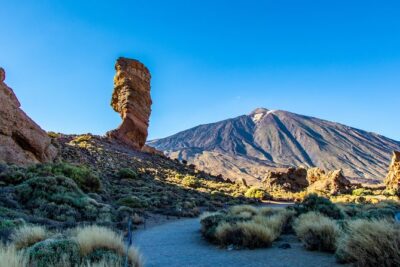
Teide by Night: Sunset & Stargazing with Telescopes Experience
Read our review →
Teide: Guided Sunset & Stargazing Tour by Night with Dinner
Read our review →
Teide Night Experience with Dinner and Stargazing
Read our review →Browse the lists this tour appears in