
Reviewed · WHALE WATCHING
Private 2 hour Whale Watching Tour
Whale sounds come close on this short boat ride. On Tenerife, this private 2-hour outing pairs an 8-meter custom boat with onboard experts, so you get both real sightings and the science behind them, plus a hydrophone to hear marine life.
Two things I really like: you travel with a marine biologist who explains what you are seeing, and you get tour photos by email afterward so you can watch without turning the whole trip into a camera contest. One consideration is that it is on a smaller boat, and if you are sensitive to motion, you may want to prepare.
If you want whales and dolphins in the natural habitat, this is one of the more thoughtful ways to do it, with careful approach rules and plenty of chances to focus on behavior, not just counting spouts.
In This Review
- Key things to know before you go
- Puerto Colón Marina dock Pantalán No. 3, parking, and boarding on time
- 2 hours with a captain and a marine biologist on Tenerife’s whale zones
- Hydrophone time, and why listening to whales feels different
- Responsible whale watching, in plain terms that you can see
- What you might see near Costa Adeje, pilot whales and more
- Photos emailed after the tour, so you can actually watch
- Price and value: $617 per group for a 2-hour private outing
- Who should book, and who should think twice
- My booking call: should you book this private Tenerife whale tour?
- FAQ
- How long is the private whale watching tour?
- Where do we meet for the tour?
- Is food included on board?
- What is included in the price besides the boat ride?
- What languages do the guide and staff speak?
- Are there age limits?
- What happens if weather is poor?
Key things to know before you go
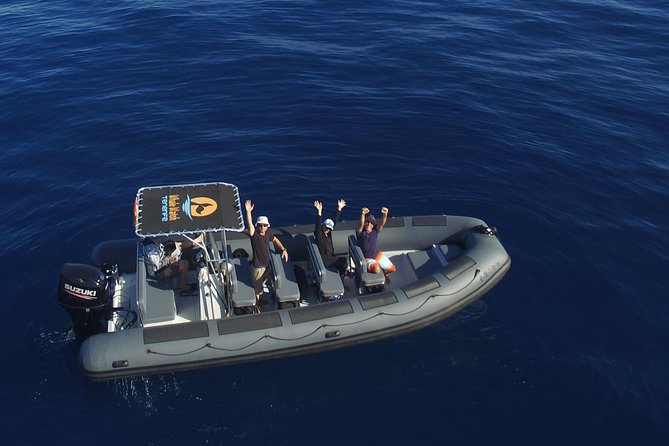
- Private group time: only your group goes, up to 10 people, which usually makes the experience feel relaxed.
- Biologist-led learning: live onboard commentary covers the local marine ecosystem and likely cetacean species.
- Hydrophone included: you listen to whales and dolphins during the trip, not just watch from the surface.
- Photos emailed after: the guide takes photos so you can enjoy the moment first.
- Careful approach matters: the captain slows down and follows local whale watching regulations.
- Smaller-boat reality: motion sickness can be an issue for some people when the water is moving.
Puerto Colón Marina dock Pantalán No. 3, parking, and boarding on time
The tour starts at Whale Watch Tenerife at Puerto Colón Marina, dock Pantalán No. 3 in Costa Adeje. Plan to arrive about 15 minutes early to find the right entrance and get settled before departure. The marina area is practical, with restaurants and bathrooms right there, so you are not scrambling for basics.
Parking is also close. You can park right at the marina for about 1€ per hour, which is handy if you are driving in from elsewhere on Tenerife. The meeting point is near public transportation too, so you can keep options open if you do not want to drive.
Once it is time, you step onto the custom-built 8 meter whale watching boat. Expect a short safety briefing from the captain right after boarding. That matters because on a compact boat you want everyone comfortable with where to stand, how to move, and what to do when the captain changes speed or direction.
This is a good setup if you like getting to the action quickly. You do not spend the whole morning in transit, then finally get on the water. Instead, you show up, get briefed, and within the next stretch of the two hours you are heading toward the day’s whale and dolphin area.
Only got a couple hours?
- 2h Viking Cruise Whales & Dolphins Watching
★ 5.0 · 596 reviews - Bonadea II Ecological Whale Watching, 2 hours
★ 5.0 · 378 reviews - Most Famous Catamaran in Tenerife Island (2 hours and 3 hours tours)
★ 4.5 · 313 reviews - Santa Cruz de Tenerife: 2-Hour Hiking Tour in Anaga Forest
★ 4.8 · 133 reviews - 2 hours Semi-private surfing lesson in Playa de Las Americas
★ 5.0 · 78 reviews
2 hours with a captain and a marine biologist on Tenerife’s whale zones
The rhythm is simple. After the captain’s briefing, the marine biologist staff explains the local marine ecosystem and which cetaceans you are most likely to encounter. You are also given didactic materials, so the talk is not just random facts. It is aimed at helping you understand why the animals behave the way they do in this part of the ocean.
Then the captain drives toward the current whale watching hotspot, usually within 3 miles off shore. I like this detail because it signals the trip is not a long, uncomfortable slog. You are staying relatively close to the coast, while still reaching the waters where whales and dolphins are commonly sighted.
When you arrive, the captain slows the boat for a careful approach. The goal is to observe while respecting local whale watching rules. This is not about forcing closeness. It is about giving the animals a calm, natural encounter window.
Throughout the journey, your guide shares observations of behavior and biology while also taking photos to share afterward. That changes how you experience the trip. You can spend more of your attention on what the animals are doing, like group behavior, direction changes, and how close they choose to be, instead of spending every second trying to frame the perfect shot.
One nice touch from the way the day is structured is that you are not stuck in one place. The captain and biologist team can adjust based on what is happening in the water, while still keeping the approach cautious and regulated.
Hydrophone time, and why listening to whales feels different
Listening is one of the most distinctive parts of this tour. The hydrophone is included, and you can hear whales and dolphins instead of only relying on what you see from the surface.
In practice, this does two things for you. First, it adds a layer of realism. A whale is not just a shape in the water. It is an animal communicating, and the hydrophone gives you a sense of that invisible world. Second, it helps when visibility is not perfect. If you are trying to find an animal that is farther away or underwater longer than you expect, sound can still connect you to what is happening.
The onboard team also ties what you hear to the biology they are explaining. So when the hydrophone comes into play, it is not just a gadget moment. It becomes part of the narrative of the species you are watching, like how vocalizations work in relation to behavior and movement.
This is also why I think the hydrophone matters for value. Many whale watching trips focus only on spotting. Here, you get spotting plus listening, and that usually makes the experience feel richer even if sightings are brief.
Responsible whale watching, in plain terms that you can see
Responsible whale watching is not a slogan on this trip. It shows up in how the captain approaches and how much space the animals keep.
The description makes the basics clear: the captain slows down for a careful approach and follows local whale watching regulations. That is the foundation. On top of that, at least some outings include hands-on changes when the animals are nearby. For example, one detailed family account described the engines being cut so pilot whales could have more quiet time and choose how they interacted with the boat.
What you can look for as you ride along:
- The boat speed changes when cetaceans are near.
- The team prioritizes keeping distance and reducing disturbance.
- The animals decide the closeness, not the passengers.
I also like that the biologist staff is on board and actively guiding you through what behavior means. When you understand why the team is maintaining distance, it feels less like rules you must accept and more like good seamanship. You start to read the water like a naturalist instead of a spectator.
And one more point that makes this feel like a real marine encounter rather than a checklist. On at least one outing described, the team paused to scoop up a piece of clear plastic they found in the water. That kind of action reinforces the idea that respect for habitat is part of the experience, not an afterthought.
Other things to do around Tenerife
What you might see near Costa Adeje, pilot whales and more
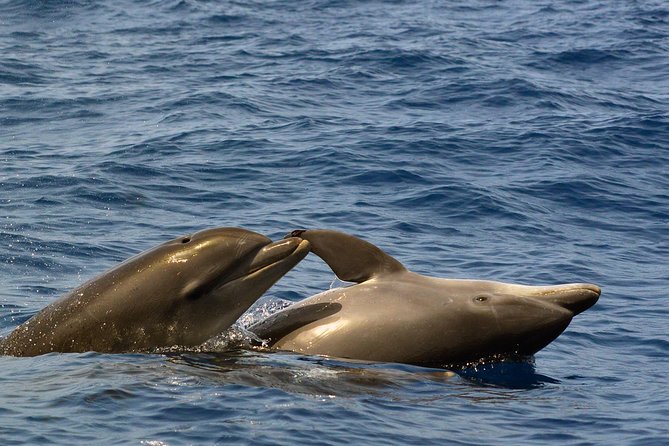
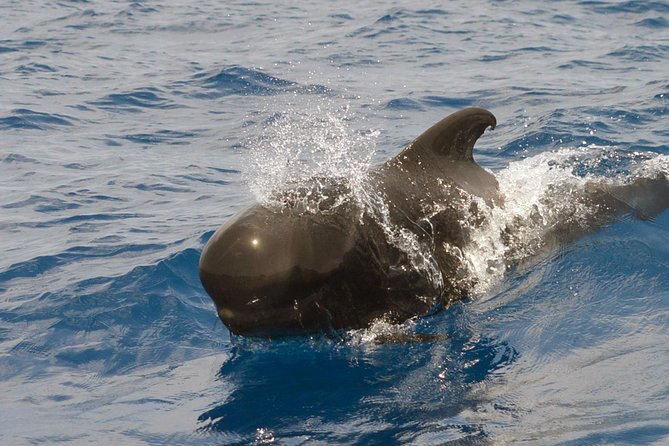
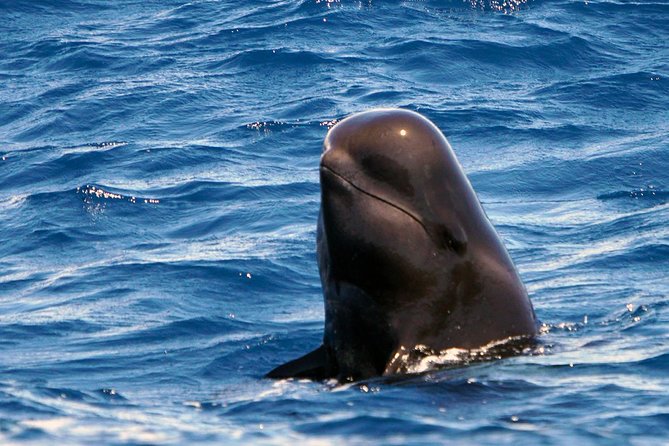
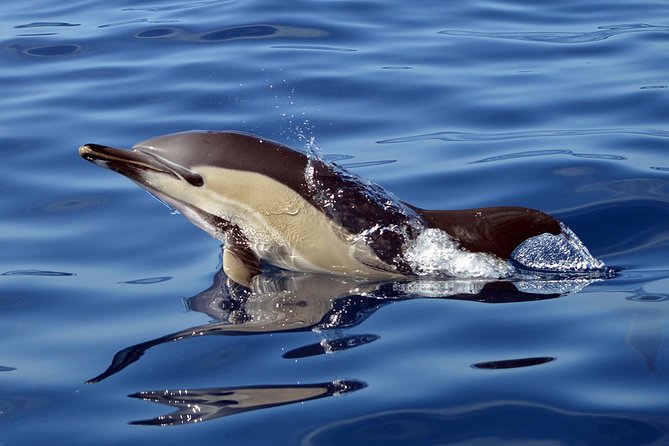
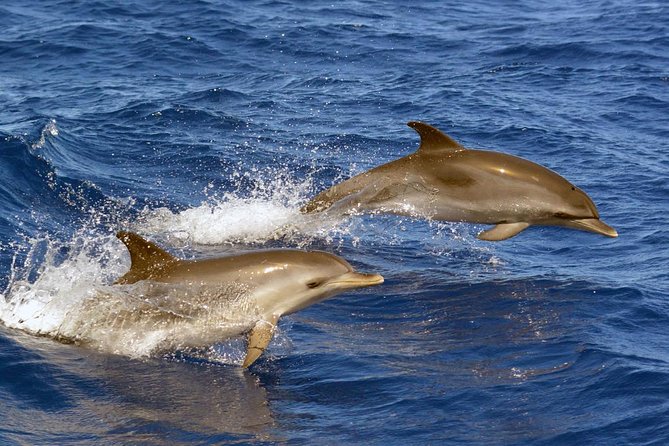
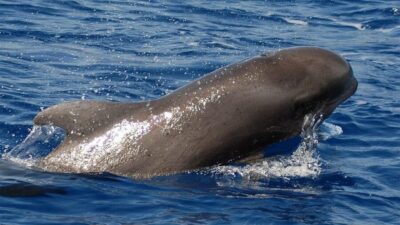
The tour is designed for whales and dolphins, and the onboard biologist sets expectations for the cetaceans likely in the area. Based on the sightings described during trips, you could see Atlantic spotted dolphins, pilot whales, and sometimes other marine life.
Here are some specific examples that have popped up:
- A pod of Atlantic spotted dolphins, including calves, with some bow-riding behavior described.
- Pilot whales, including situations where they approached the boat on their own.
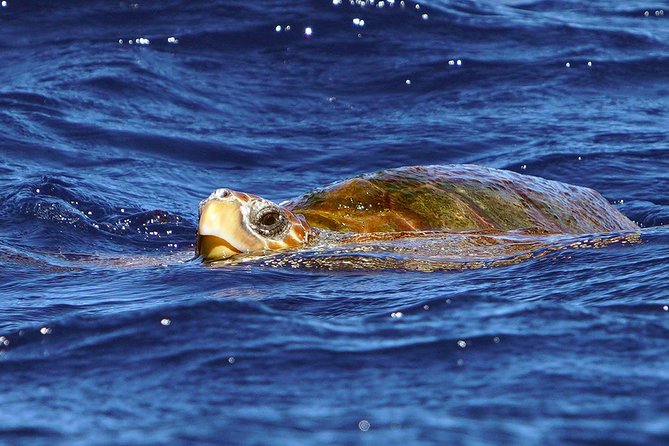
- A loggerhead sea turtle spotted during the outing.
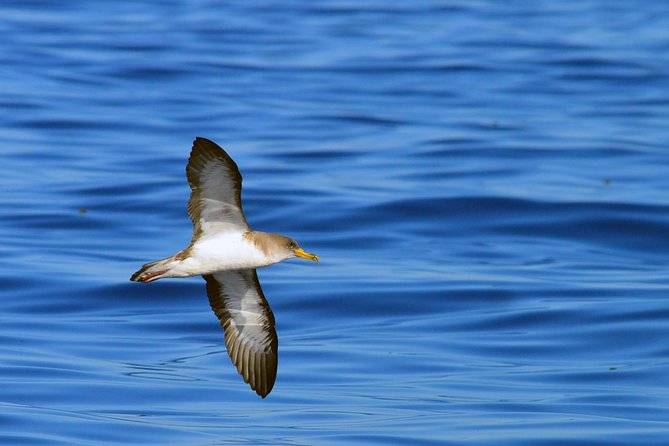
- Flying fish seen during the trip.
It is smart to remember that wildlife is wildlife. You cannot guarantee a specific species. What you can control is the quality of the approach and the learning around what you do see. That is where this tour scores well, because the biologist staff helps you interpret behavior and not just react to the moment.
Also, the hydrophone plus the guide’s interpretation can make a short sighting feel more complete. Even if you only see a pod for a few minutes, you still come away with a better understanding of what the animals were doing and why.
Photos emailed after the tour, so you can actually watch
A common frustration on boat tours is this: you spend the first half of the trip chasing video, and then the best moments happen while you are fumbling with a phone or a lens. This tour addresses that directly. The guide takes photos during the encounter and shares them afterward by email.
That means you can keep your eyes on movement and behavior. I like that trade-off because your brain remembers the animal, not the phone screen. Later, you get the best of both worlds, a set of photos from the person who knows what to aim for, plus your own mental movie of the encounter.
From the way the trip is run, it also sounds like photo sharing is integrated into the guiding approach, not a random add-on. The guide is on the job during sightings, and that usually leads to cleaner, more relevant images than what most people can do while simultaneously trying to track a surfacing animal.
Price and value: $617 per group for a 2-hour private outing
The price is $617.02 per group, up to 10 people, for about 2 hours. That is not a budget price, but it is also not priced like a luxury yacht experience. In a private format, the math depends on how many people are in your group.
If you fill the group with several people, the cost per person drops quickly, and you get benefits that larger shared tours usually cannot offer: a smaller, more focused experience, and more flexibility for the guide to explain what you are seeing without competing for attention.
This is especially good value if:
- You are traveling with kids who need shorter time blocks and a calmer, focused outing.
- You have a small group who wants a private guide, not a crowded boat.
- You care about learning, since the biologist is part of the experience, not just a driver who tells you to look.
Where you should be honest with yourself. If you are solo or only two people, $617 can feel steep compared with shared tours. In that case, the decision comes down to what you value more, privacy and guided learning, or lowering the cost.
Given the strong emphasis on responsible behavior and the hydrophone plus post-tour photos, I think the price can make sense for families and couples who want one high-quality marine moment during their Tenerife trip.
Who should book, and who should think twice
This is a private tour, only your group participates. It also welcomes all ages, which helps if you are planning a family trip and do not want to split everyone up.
But there are guest restrictions you should take seriously. The tour may not be a good fit if you are pregnant, have neck or back problems, mobility problems, or recent surgery, and there is also a weight-related consideration involving back problems for participants over 120 kg. If any of those apply, it is worth checking before you commit.
One more practical note is motion. The boat is smaller, and one family account described motion sickness happening briefly to a child while the boat was bobbing. This does not mean the trip is unsafe. It does mean you should be prepared if you are prone to sea sickness. Bring whatever usually works for you.
If you love learning while you watch, this tour fits especially well. The biologist staff explanations, didactic materials, and hydrophone listening make it a more educational whale watch than the typical see whales and go home version.
My booking call: should you book this private Tenerife whale tour?
I would book this tour if your top priorities are responsible whale watching, real education from a marine biologist, and a way to experience sound, not just sight. The tour is built around careful approach rules, and it is designed so the guide and captain can keep the animals’ comfort in mind.
I would hesitate or look at alternatives if you know you struggle with motion sickness, or if you fall into the stated restriction categories. Also, if you are only traveling as one or two people, the group price might feel hard to justify unless you strongly value the private format and the learning components.
The strongest reasons to choose this trip are simple:
- You get a biologist on board who can interpret the day.
- You can listen through the hydrophone, which adds a new layer.
- You come back with photos emailed afterward, so you can stay present.
- The captain’s approach is tied to local rules and calm interactions.
If you want one “we did it right” whale watching experience in Tenerife, this is a solid pick.
FAQ
How long is the private whale watching tour?
The tour lasts about 2 hours.
Where do we meet for the tour?
You meet at Whale Watch Tenerife, Puerto Colón Marina, Pantalán No. 3, 38660 Costa Adeje, Santa Cruz de Tenerife, Spain. The tour ends back at the meeting point.
Is food included on board?
No. Food and drinks are not included, but you can bring food and non-alcoholic drinks onboard.
What is included in the price besides the boat ride?
The price includes all local taxes, live commentary on board by the biologist staff, hydrophone listening for whales and dolphins, and wildlife tour photos sent by email after the tour.
What languages do the guide and staff speak?
The tour is offered in English. The guide speaks English and Spanish.
Are there age limits?
All ages are welcome.
What happens if weather is poor?
This experience requires good weather. If it is canceled due to poor weather, you will be offered a different date or a full refund.
Just Added to the Tenerife Lineup
Whale Watching, compared.
Eco-Yacht Whale and Dolphin Watching and Swimming
Read our review →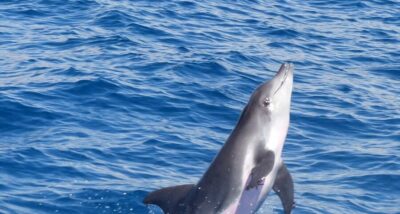
Los Cristianos Respectful No-Chase Whale and Dolphin Safari
Read our review →
Whale & Dolphin Eco-Cruise with Snacks & Drinks
Read our review →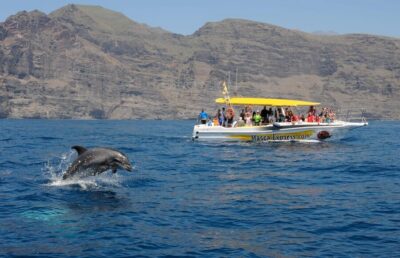
Dolphin & Whale Watching Cruise with Swim Stop
Read our review →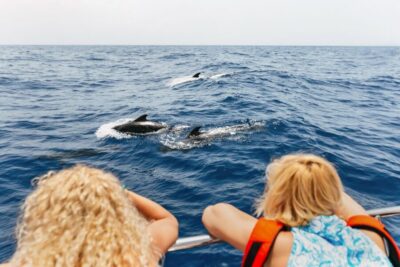
Whale & Dolphin Watching Cruise with Swim Stop
Read our review →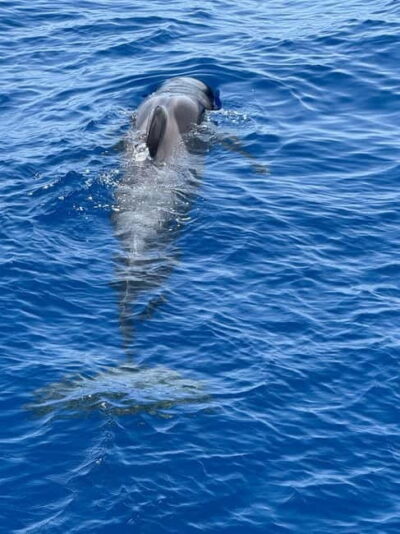
Whale & Dolphin Watching with Drinks and Snacks
Read our review →Browse the lists this tour appears in