
Reviewed · SCUBA DIVING
PADI Open Water Diving Course Tenerife
Breathing underwater changes your day. This PADI Open Water Diver course in Tenerife is a structured way to learn real scuba skills, then earn a globally recognized certification you can use almost anywhere. The setting in the Canary Islands helps too, with clear, warm open-water conditions and a famous local underwater site on the schedule.
I especially like the patient, personalized instruction from PADI-certified instructors, and I like the way the training builds step by step from theory to skills to four supervised open-water sessions. In past groups, instructors including Julia and Davide stood out for clear explanations and keeping things calm when you are learning something brand new.
One thing to think about upfront is the fitness and eligibility side, since the course is not suitable for non-swimmers, people with heart problems, pregnant women, or anyone with certain pre-existing medical conditions.
In This Review
- Key highlights worth planning for
- Tenerife is a smart choice for your PADI Open Water training
- The 5-day schedule: theory, skills in the bay, then open-water sessions
- What this pacing does well
- What you actually learn: breathing, control, and safety basics
- Instructors and group size: why you feel looked after
- Gear, insurance, and what you do not have to plan
- What to bring
- Getting to the training: hotel pickup and language options
- The famous underwater site: why it is more than sightseeing
- Certification to 18 meters: what it unlocks for future trips
- Price and value: what you get for about $494
- Who should take this course, and who should skip it
- What kind of person will enjoy Tenerife most
- Quick decision checklist before you book
- Should you book the PADI Open Water course in Tenerife?
- FAQ
- What certification do I get at the end of this course?
- How long is the course, and how is the time used?
- Are gear and insurance included?
- How many open-water sessions are included?
- Do I need to know how to swim?
- What languages are available for instruction?
- What should I bring with me?
Key highlights worth planning for
- Small group size (up to 4 participants) keeps the attention on you instead of the clock
- Four open-water boat sessions plus confined-water practice in the bay to build confidence fast
- Online theory materials in multiple languages so you can study at your pace before or between sessions
- Certification processed after you complete everything, valid for life and recognized worldwide
- Pickup included, typically in front of hotels, which keeps the first day from feeling like logistics work
- Up to 18 meters of certification range (for ages 15+), giving your future trips real options
Tenerife is a smart choice for your PADI Open Water training
Tenerife has a reputation for making beginner scuba training feel doable. You are not just watching from the surface, you are learning how to control your breathing, your buoyancy, and your safety checks while conditions are beginner-friendly.
The course also has a good learning rhythm. You start with basics in theory, then you practice in confined water, then you move into the ocean with an instructor right there with you. That structure matters, because first-timers usually do better when the skills are repeated in a simple order.
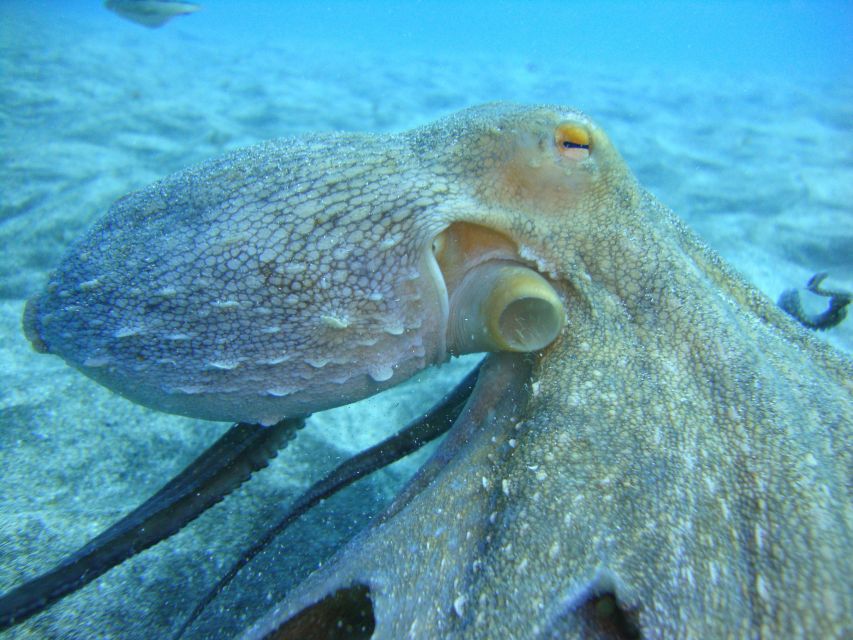
And yes, there is the emotional payoff you expect from scuba. Seeing underwater life up close is the moment most people remember, and this course is designed to get you to that point without rushing.
Other things to do around Tenerife
- Southern Tenerife: 50-Minute Submarine Dive
★ 4.8 · 2,216 reviews - Tenerife: Your First Scuba Diving Experience in Turtle Area
★ 4.7 · 1,679 reviews - Tenerife: Beginner’s Dive at a Spot with Turtle Sightings
★ 4.7 · 627 reviews - Tenerife First Time Scuba Dive – Turtle Habitat, Small Groups
★ 4.5 · 456 reviews - Tenerife: Beginner Scuba Dive Experience
★ 4.8 · 238 reviews
The 5-day schedule: theory, skills in the bay, then open-water sessions
Even though the overview talks about 3 to 4 days of active learning, the full duration is listed as 5 days. In practice, that usually means you get enough time to cover everything comfortably, including theory sessions, confined-water work, and all required ocean days.
Day 1 starts with a meet-and-greet at the training center. You meet your PADI instructor, and you get the theory portion underway. This is where you learn the essential principles of how scuba works and what you must do to stay safe.
Day 2 is your first two open-water sessions. You take your newly learned skills into Tenerife’s clear, warm open water. The instructor supervises closely and gives feedback on your technique so you can fix small issues before they become habits.
Day 3 completes your training with two more open-water sessions. By now, you should feel less like you are guessing and more like you are following a routine. These sessions go deeper and longer than the earlier ones, which helps you get comfortable with what comes next after certification.
After the practical and theoretical parts are finished, your certification processing begins. You end the course officially certified, with a certification depth limit of up to 18 meters for age 15+.
What this pacing does well
Beginners often worry about the jump from calm practice to real open water. This format reduces that fear because you get repeated practice under supervision, not one big trial.
Also, four open-water boat sessions is a solid number. It gives you multiple chances to get comfortable with controlled breathing, equalization, and basic movement underwater, without feeling like you are constantly “behind schedule.”
What you actually learn: breathing, control, and safety basics
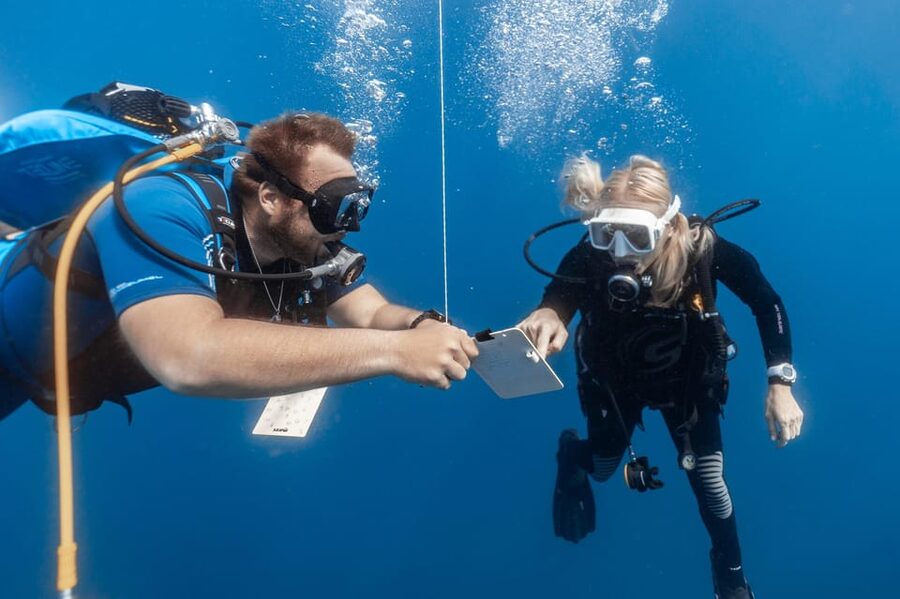
The headline promise is simple: you learn how to be an autonomous scuba diver. The important part is that the course does not treat that as a magic switch on day four. It teaches you the basics of control and decision-making so you can handle typical situations.
You spend time on the theory fundamentals first. Even if you are anxious, doing the mental work upfront helps you know what is happening when you are underwater. You also get online theory materials in different languages, so studying is easier if English is not your strongest.
In the bay, you do confined-water training. This is where the “feel it in your body” learning happens: how your breathing changes your depth, how to manage your buoyancy, and how to follow instructions while you are focused on staying calm.
Then the open-water sessions turn that into real-world experience. Your instructor guides you through what to do in the ocean, and you build confidence by repeating the procedures with supervision.
Heading further into Tenerife? Here's what else is nearby.
Instructors and group size: why you feel looked after
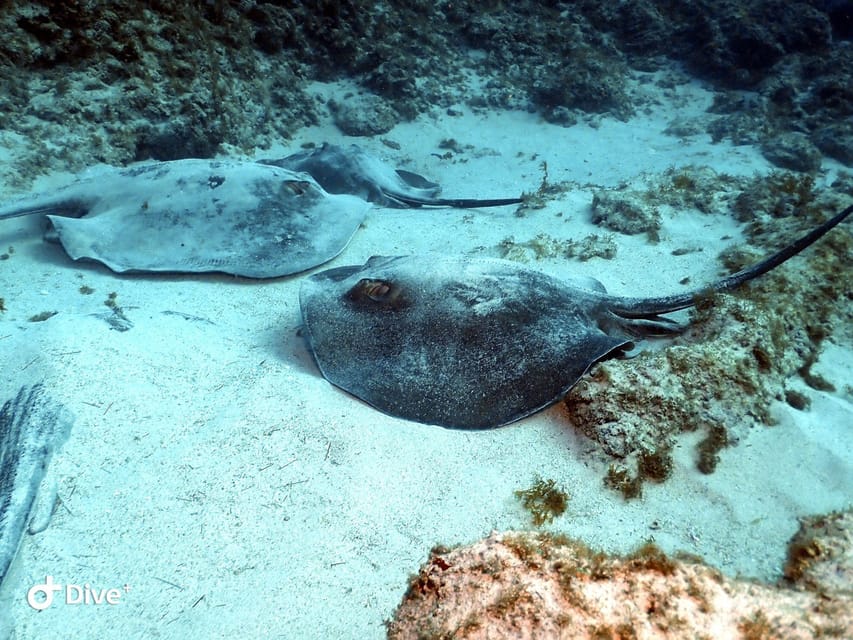
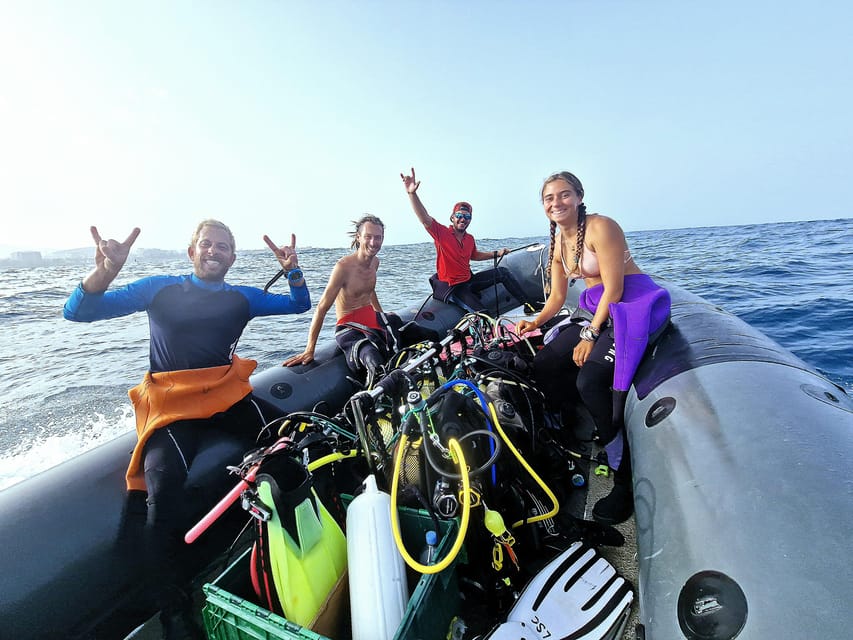
Small group training is one of the biggest reasons this course feels good. The group is limited to 4 participants, so you are not fighting for attention or getting vague feedback.
The instructor stays with you throughout the entire training, which is a big deal for first-timers. You learn faster when questions can happen immediately, and the feedback loop stays tight.
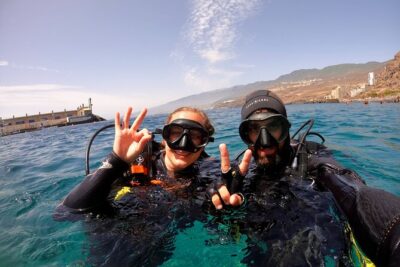
This is also reflected in the course reviews. People praised the instructors for patience and thoroughness, and they called out a fun, comfortable atmosphere in the water. One review specifically thanked Julia for being especially patient and thorough, and another highlighted Davide for being clear, professional, and supportive.
If you like structure, this is a plus. If you worry you might feel slow learning something new, this setup helps because the instructor can slow down and explain again.
Gear, insurance, and what you do not have to plan
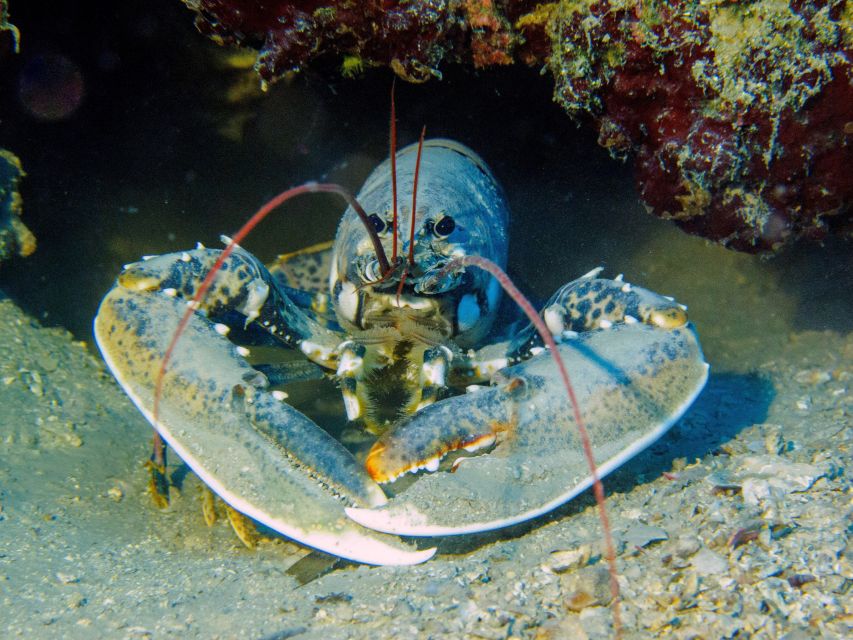
You are provided full scuba gear. That matters more than it sounds. Renting or bringing your own kit can turn your first-day nerves into extra hassle, and beginner training already has enough moving parts.
Full insurance is included too. You should still read what it covers, but having insurance baked into the experience is reassuring when you are learning a sport with basic risk.
You also get photo memories. That is a small inclusion, but it helps you remember the course clearly, especially if your brain is busy concentrating on buoyancy and procedures.
What to bring
Bring swimwear, a towel, and sunscreen. Tenerife sun can be strong even when the day is not perfect weather. If you are prone to getting sunburned, add a hat to your packing list even though it is not listed.
Getting to the training: hotel pickup and language options
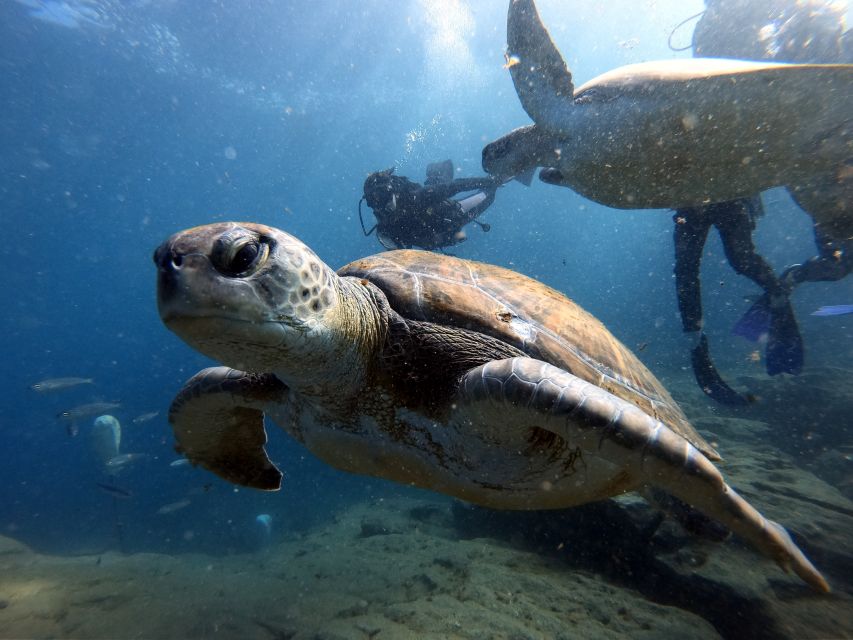
Pickup is included, and pickup places normally are in front of hotels. If you are arriving in Tenerife already, that reduces the “where do I go first” stress.
You also get flexibility with languages. The course lists instructors who speak English, Spanish, Italian, Russian, and French. That is helpful because scuba terms can be confusing if you are translating in your head while you learn skills.
Wheelchair accessibility is listed as well. If accessibility is a factor for you, it is worth asking specific questions early so the team can confirm what the day-to-day looks like for your needs.
The famous underwater site: why it is more than sightseeing
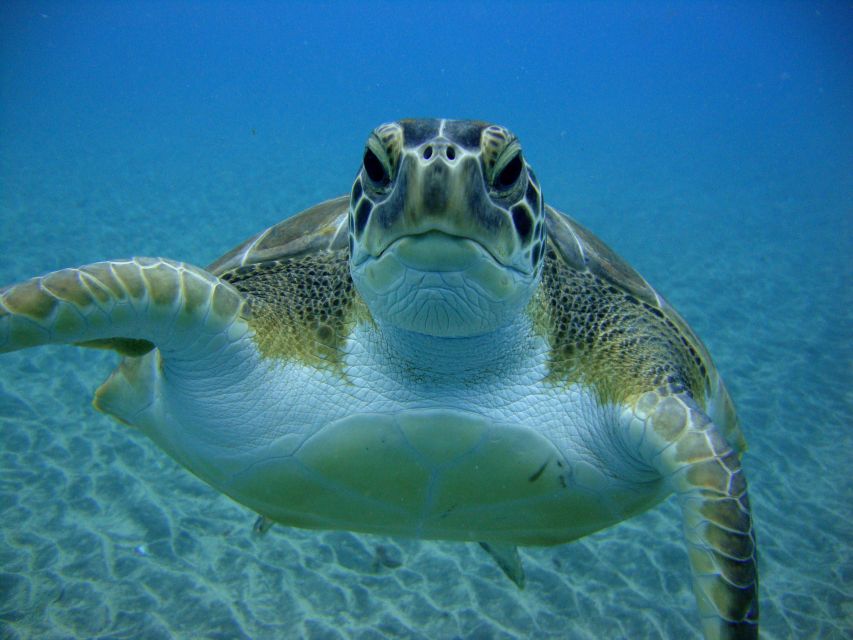
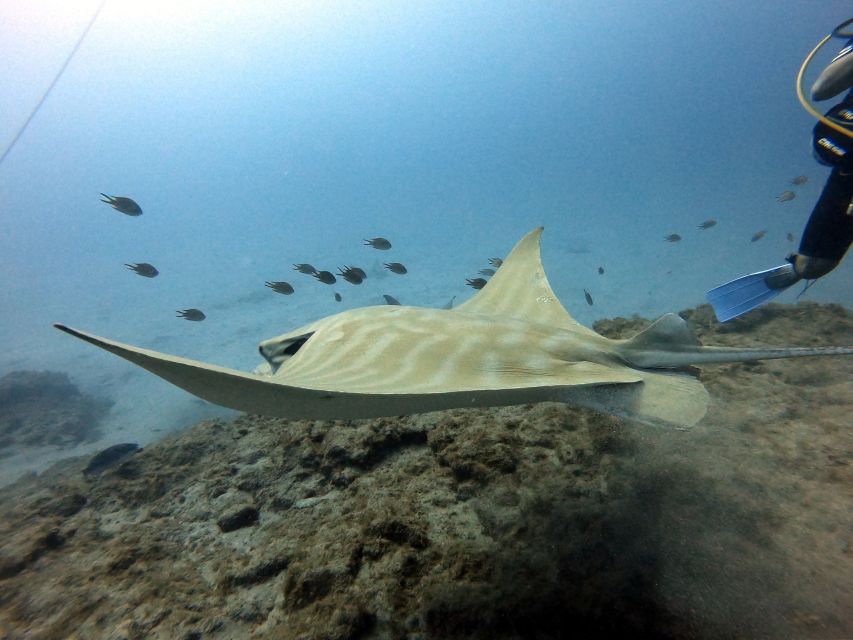
The course includes a visit to the island’s famous underwater site. Even without turning it into a sightseeing-only trip, that kind of stop gives context to what you are learning.
You go there after you have already built basic control in confined water and already practiced the open-water procedures. That timing matters. It helps you actually notice what you came for, instead of only focusing on your gear.
Most beginners only know scuba as a single moment, the wow factor underwater. This course tries to balance that with learning. The famous site becomes your reward and your proof that you can apply the training in a real setting.
Certification to 18 meters: what it unlocks for future trips
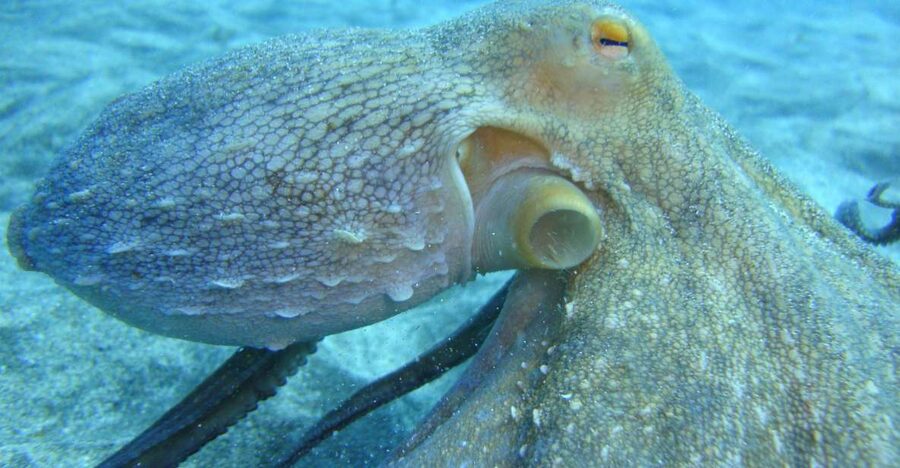
This course ends with a PADI certification processed for you. It is globally recognized and valid for life, which is one of the best “long tail” benefits of any certification.
You are certified for up to 18 meters for age 15+. That depth range matters because it determines what kinds of sites you can access on later vacations. It also influences which tour operators will feel comfortable taking you on more adventurous outings.
If your goal is to travel and keep diving afterward, certification is what turns scuba from a one-off experience into a hobby you can take with you. And because PADI is widely recognized, you do not have to start over each time.
Price and value: what you get for about $494
At about $494 per person, the value is strongest if you compare it to the cost of piecing everything together yourself.
Here is what the package covers based on the info provided: instructor training with full open-water training, confined-water practice, four open-water boat sessions, full scuba gear, online theory materials, certification processing, full insurance, and photo memories.
In other words, you are paying for the full learning system, not just “time in the water.” For many first-timers, that is where money is well spent, because mistakes are more expensive when you try to DIY the training.
Small group size also helps the value. It is hard to put a number on extra attention, but it often turns a stressful course into a manageable one.
If you want the safest path to becoming comfortable, this is the kind of price structure that makes sense. If you already have gear and you have done similar training before, you might feel the cost is higher than you need, but that is not the target audience here.
Who should take this course, and who should skip it
This course is best for people who want a real scuba certification, not just a one-day try. It is designed for beginners learning to become autonomous divers, with supervision and structured steps.
It is not suitable for children under 10, non-swimmers, pregnant women, people with heart problems, or anyone with pre-existing medical conditions. If any of those apply to you, you should not push it. Ask your doctor and choose a safer option.
It is also worth noting the course is listed as suitable for adults and young teens, with the 18-meter certification depth range for ages 15+. If you are younger than that, you might still be able to start the process depending on eligibility rules, but your depth limit may differ.
What kind of person will enjoy Tenerife most
If you like learning in a calm, guided way, you will probably enjoy this. The reviews point to instructors who are clear and patient, and that is exactly what makes the learning curve manageable.
If you want a party atmosphere, keep expectations realistic. This is training first, excitement second, and it works best when you follow the procedure and let the instructor guide you.
Quick decision checklist before you book
Ask yourself these questions:
- Are you comfortable swimming and able to follow instructions calmly?
- Do you want a long-term certification, not just a one-time underwater experience?
- Do you appreciate small group attention and step-by-step skill practice?
- Can you meet the course eligibility requirements, including the medical and pregnancy restrictions listed?
If you answer yes, you are in the right place. You will likely leave with real skills, a certification you can use worldwide, and memories of Tenerife’s underwater life from the moment you start controlling your breathing.
Should you book the PADI Open Water course in Tenerife?
I would book it if you want structured training, small group attention, and a clear path to lifetime certification. The mix of theory, confined-water skills, and four open-water boat sessions is designed to reduce beginner panic and build competence step by step.
Skip it if you do not meet the suitability requirements or if you are only looking for a casual experience. Scuba is skill-based, and the course is built around learning safe procedures, not just seeing fish.
If you are on the fence, treat it like a sport lesson with a travel bonus. You are not just buying time underwater, you are buying the ability to keep exploring on future trips.
FAQ
What certification do I get at the end of this course?
You complete the PADI Open Water Diver course and your certification is processed. It is valid for life and recognized worldwide, with certification for up to 18 meters for those aged 15+.
How long is the course, and how is the time used?
The total duration is 5 days. The training is described as 3 to 4 days of learning, with one day covering theory and then additional days for four open-water sessions, plus confined water training in the bay.
Are gear and insurance included?
Yes. Full scuba gear and full insurance are included in the course package.
How many open-water sessions are included?
You do four open-water boat sessions as part of the course training.
Do I need to know how to swim?
This activity is not suitable for non-swimmers, so you should be comfortable swimming.
What languages are available for instruction?
Instructors are listed as available in English, Spanish, Italian, Russian, and French.
What should I bring with me?
Bring swimwear, a towel, and sunscreen.
Just Added to the Tenerife Lineup

Scuba Diving, compared.
Your First Scuba Diving Experience in Turtle Area
Read our review →
Beginner’s Dive at a Spot with Turtle Sightings
Read our review →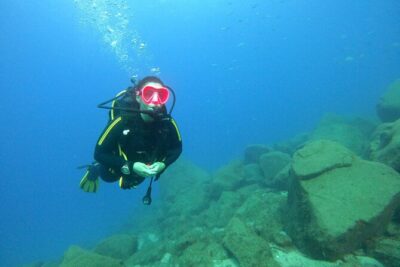
Tenerife First Time Scuba Dive – Turtle Habitat, Small Groups
Read our review →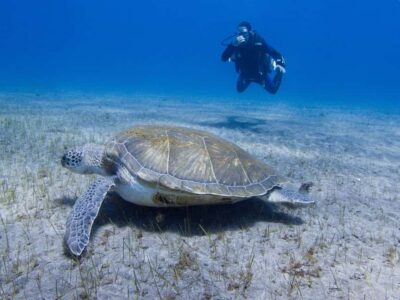
Try Dive – PADI Discover Scuba Diving in Tenerife
Read our review →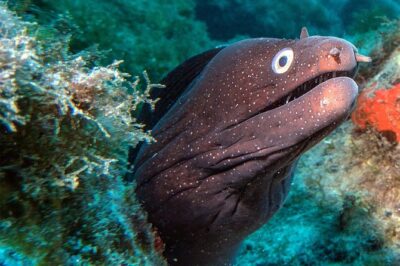
RECREATIONAL DIVE (certified divers only) : Explore Canarian Sealife
Read our review →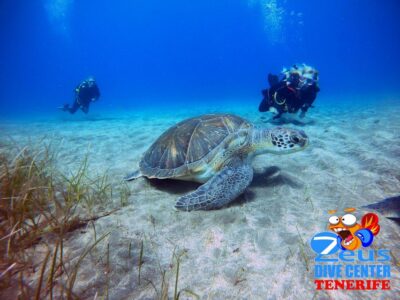
Browse the lists this tour appears in