
Reviewed · LA GOMERA ISLAND TRIPS
From Puerto de La Cruz: Full-Day Vip Tour to Gomera
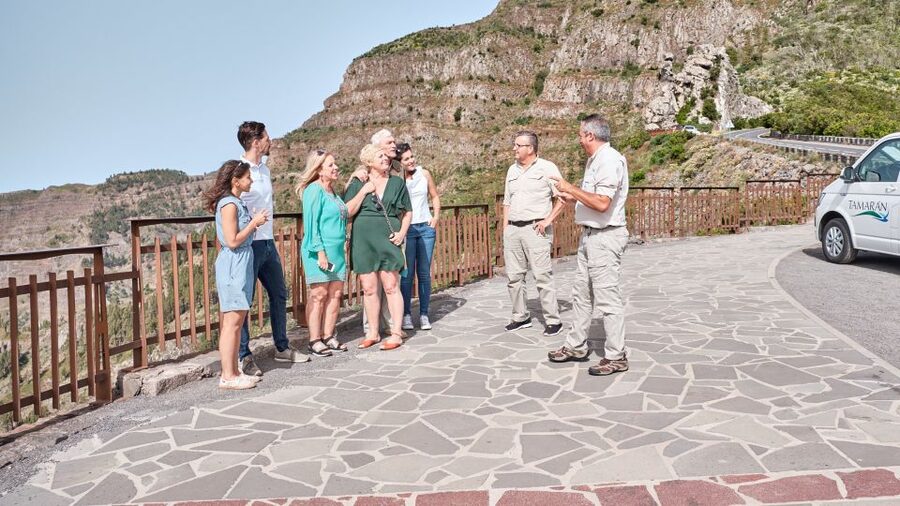
A day like this turns the island into an easy-to-follow road trip. You get exclusive 4WD time, smart stops, and the big centerpiece, Garajonay National Park, with plenty of viewpoints and village breaks, plus a German guide who explains what you are seeing. I especially like the mix of scenery stops and real cultural context, including the whistling language heritage and the island’s role as a link to the New World. One thing to consider: you will be on a ferry and in a lot of curvy mountain roads for most of the day, so it is not the choice if you want a slow, minimal-transport day.
The tour starts early from Puerto de la Cruz, then crosses by morning ship to San Sebastián de la Gomera, and keeps the day moving with frequent photo moments. The free food and drink onboard make the long transfer feel less like a wait. If you are sensitive to early starts or tight schedules, plan your sleep accordingly.
In This Review
- Key highlights you will feel immediately
- Why Gomera is best seen in 4WD, not just from bus windows
- The morning ferry from Tenerife: transfer time you can actually enjoy
- Your route through Gomera towns, viewpoints, and craft stops
- Playa de las Américas, then on to San Sebastián
- Igualero and Chipude, a quieter side of the island
- Centro alfarero, pottery and local craft
- Mirador de Vallehermoso, the classic viewpoint break
- Arure and Laguna Grande, where the day gets greener and cooler
- Restaurante stop, included meal time
- Juego de Bolas and the visitor area
- Agulo, Hermigua, and the Hermigua viewpoint
- Plantación Aloe Vera, a practical countryside stop
- Final return to San Sebastián and back to Playa de las Américas
- Garajonay National Park: the part you should plan for mentally
- The whistling language and the New World bridge story, made useful
- What the guides do best: staying on time, and staying human
- Price and value: what $205 really covers for a full 10-hour day
- Who this tour suits best, and who should skip it
- Packing list: what you will actually want in your day bag
- Should you book the VIP 4WD full-day tour to Gomera?
- FAQ
- What is the meeting point and time in Puerto de la Cruz?
- How long is the full-day tour to Gomera?
- Do I need to bring my passport or ID card for the ferry?
- Is ferry transfer included in the price?
- Is food included?
- What language is the live tour guide?
- Is the tour wheelchair accessible?
Key highlights you will feel immediately

- Exclusive 4WD caravan for getting around Gomera’s mountain roads with more confidence than a typical bus ride
- Garajonay National Park time built around key photo stops and a visitor area
- Small-group energy with drivers who keep the group together and manage lots of stops
- Village and craft stops such as Chipude, a pottery center, and time in Agulo and Hermigua
- Cultural storytelling about the whistling language and why this island mattered to Atlantic voyages
- Comfort extras like free food and drink on the ferry plus included meals during the day
Why Gomera is best seen in 4WD, not just from bus windows
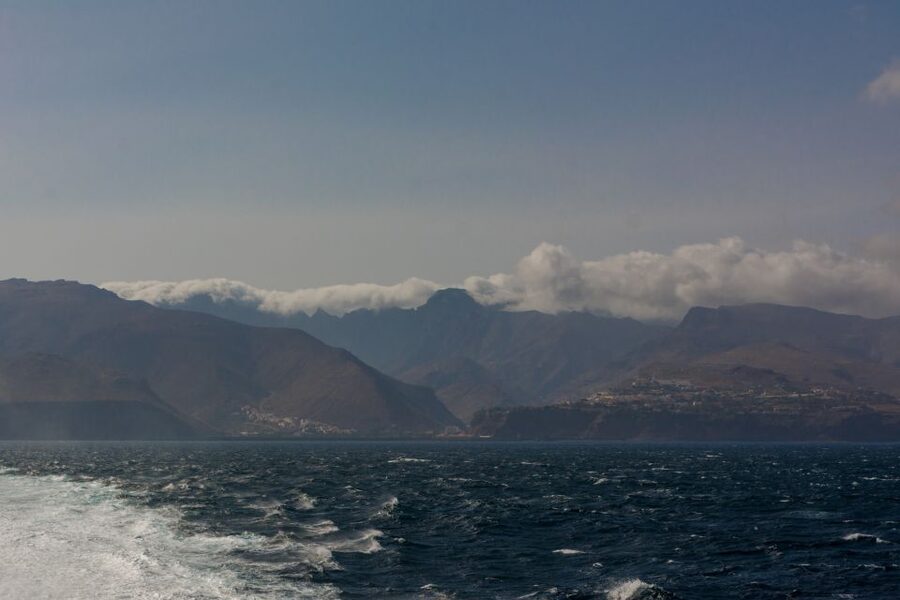
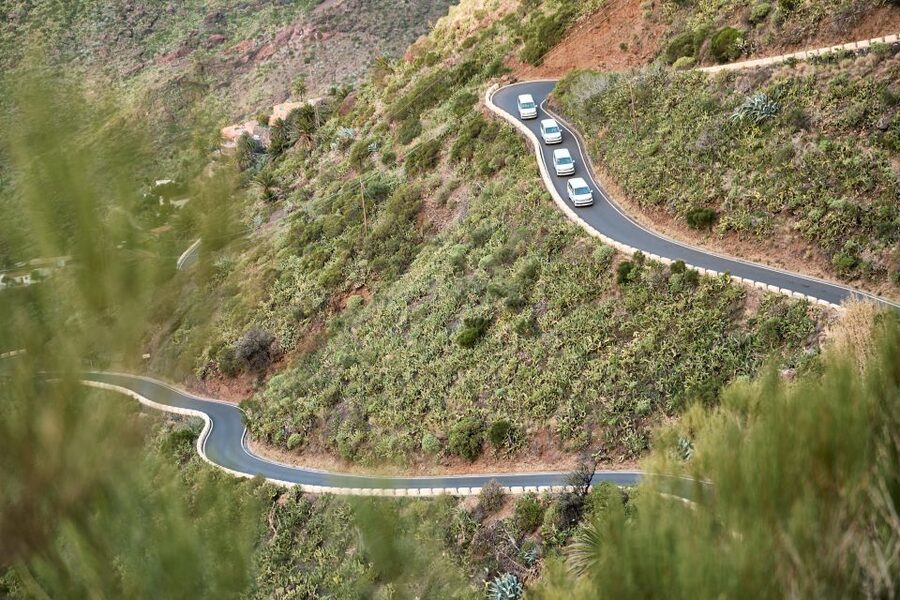
La Gomera is a small island, but it is made of steep roads and sudden turns. That matters, because the difference between a long bus crawl and a properly driven 4WD caravan is how much you actually enjoy the ride. Here, you travel in vehicles designed for the island’s curves, so you spend more time looking out and less time bracing yourself.
Two things I like about the 4WD VIP style: first, you get easier access to viewpoints and viewpoints that are not just a quick pull-off. Second, the day is structured so the driving feels purposeful. Drivers keep you at the right angles for photos, then move on, so you are not stuck waiting around while everyone else is catching up.
One drawback to expect: the day is not built for dawdling. You will be moving often, and Gomera’s terrain means you will feel the roads even when the driving is careful. If you hate tight schedules or get motion sick, this is the moment to think twice.
A quieter island, one ferry away
- From South Tenerife: La Gomera Island Day Trip with Lunch
★ 4.1 · 1,997 reviews - Full-Day Gomera Jeep Safari Excursion from Arona
★ 4.7 · 520 reviews - From Tenerife: Guided Tour to La Gomera with Ferry Ticket
★ 4.4 · 434 reviews - La Gomera Day Trip from Tenerife
★ 4.0 · 320 reviews - Full Day Guided Tour to La Gomera from Tenerife
★ 4.0 · 229 reviews
The morning ferry from Tenerife: transfer time you can actually enjoy
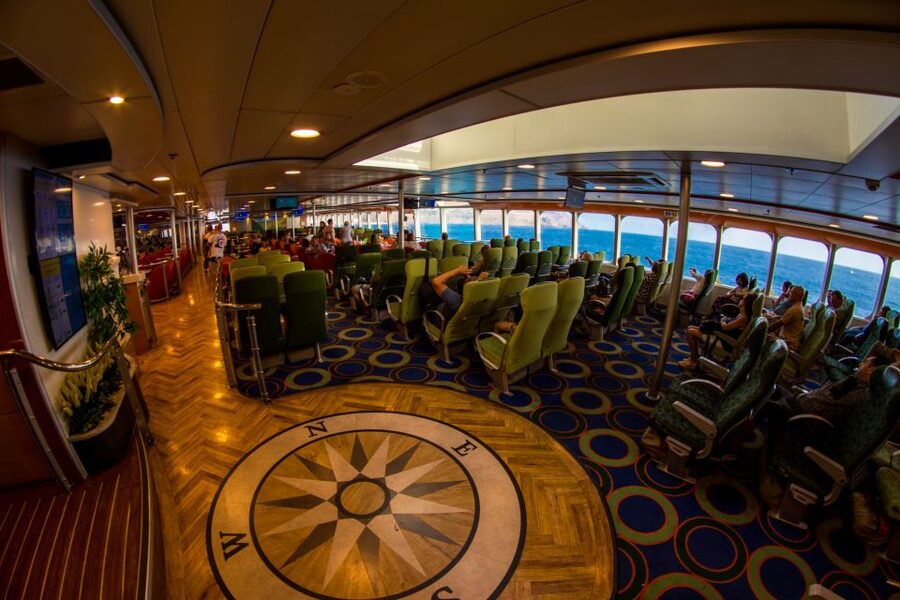
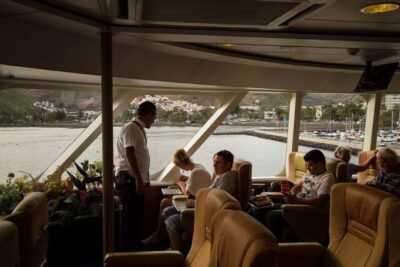
This tour uses a morning ship crossing from Tenerife to San Sebastián de la Gomera. The meeting time is early, with pickup from Puerto de la Cruz and arrival for the departure plan. Once you are on the ferry, the tour includes free food and drink onboard, which is a genuine quality-of-life upgrade on a long day.
Another plus: the guide stays part of the experience through the day, with explanations at stops. So the ferry is not the whole “transport penalty.” It becomes part of the day, not a chore. You also will want to bring your passport or ID card, since you need the original document to travel on the ferry.
Your route through Gomera towns, viewpoints, and craft stops
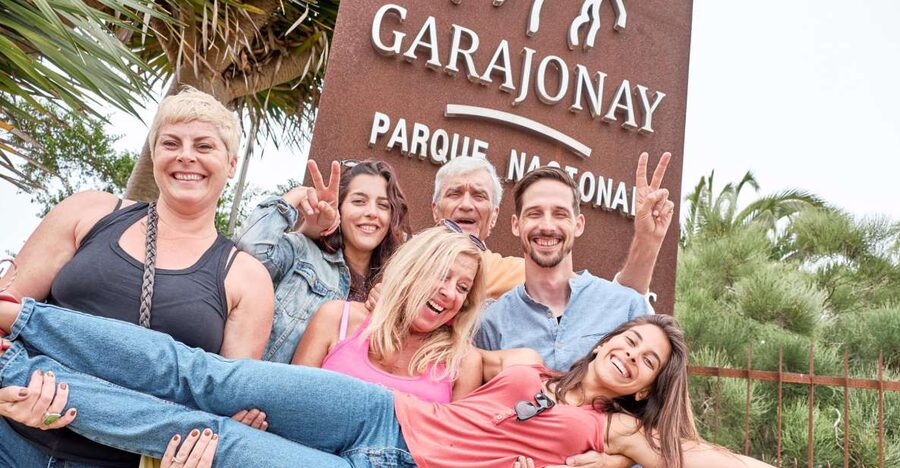
This is the kind of tour where the itinerary is doing work for you. Instead of hopping randomly, you follow a loop that mixes towns, viewpoint pull-offs, and cultural pauses. Below is the route in the order you will experience it, with what each stop tends to be good for.
Playa de las Américas, then on to San Sebastián
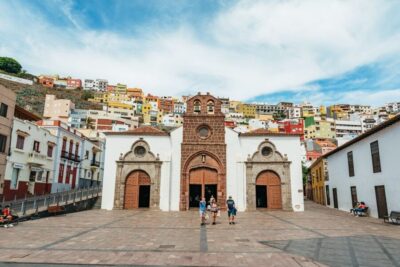
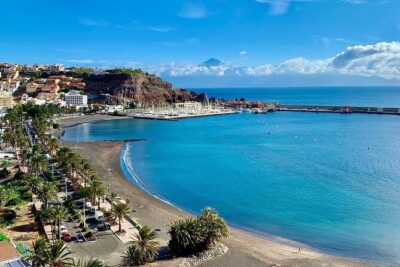
You begin in the south of Tenerife, then head to San Sebastián de la Gomera by morning ship. San Sebastián is the natural first stop because it is the island’s hub and a good place to orient yourself before you start climbing.
The north coast's original resort town
Igualero and Chipude, a quieter side of the island
Stops at Igualero and Chipude give you a taste of how Gomera looks once you are away from the main port rhythm. These areas are perfect for short photo breaks, and you often get just enough time to absorb the view without turning the day into a long hiking outing.
Centro alfarero, pottery and local craft
At Centro alfarero, you get a craft stop that helps you connect the island to daily life. Pottery is one of those small traditions that makes a place feel human, not just mountainous. If you like shopping for handmade items you can bring home, this is the kind of stop where you might actually find something worth the effort.
Mirador de Vallehermoso, the classic viewpoint break
The Mirador de Vallehermoso stop is for the views. This is where you pause, look out, and let the guide explain what you are seeing in plain terms, not in a lecture. Expect camera time and time to stand still, because the whole point of a mirador stop is to slow your eyes down.
Arure and Laguna Grande, where the day gets greener and cooler
Arure is another point where the island feels more lived-in and less touristic. Then you reach Laguna Grande, a key natural stop tied to the Garajonay area. This is a good segment if you like mountain scenery and the feeling that the island changes as the road climbs.
Restaurante stop, included meal time
You will hit a restaurante stop for lunch. The meal is included in the price, and while not every meal stop is magical, it is practical. I treat this as a chance to eat local food without hunting for a place on your own schedule.
Juego de Bolas and the visitor area
At Juego de Bolas, you get another cultural or historical stop. It is a name that signals something specific, and it gives your guide a moment to put the island’s traditions into context. Then you move on to the Centro de visitantes, which is where the Garajonay story becomes easier to understand because the setting helps.
Agulo, Hermigua, and the Hermigua viewpoint
After the Garajonay-focused section, the day shifts toward towns again. Agulo is a lovely break in pace, with time to walk around and get pictures in a more village setting. Hermigua follows, and you also get the Mirador de Hermigua for a stronger view payoff before the final driving legs back toward San Sebastián and then Tenerife.
Plantación Aloe Vera, a practical countryside stop
The Plantación Aloe Vera stop is a countryside moment that adds variety. It is a chance to see a working side of the island rather than only scenic overlooks. If you like learning how the local economy connects to what you see out the window, this part of the day can click.
Final return to San Sebastián and back to Playa de las Américas
You finish the loop back at San Sebastián, then return to Tenerife and end at the Playa de las Américas area. From there, pickup or transfer arrangements bring you back toward Puerto de la Cruz. The long day ends once the ferry and driving cycle is done.
Garajonay National Park: the part you should plan for mentally
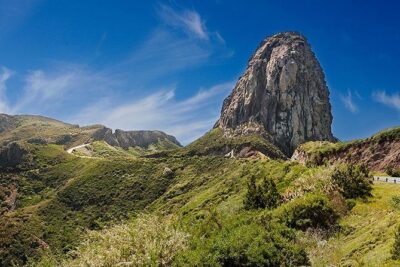
Garajonay is the star of the island, and this tour builds the day around it. You spend time in the Garajonay area, including a Laguna Grande stop and time connected to the visitor area. This is where your guide’s explanations matter most, because the park can feel confusing if you only see one view and then leave.
I like that the itinerary does not force you into a huge hike. Instead, it gives you the experience of the park through curated stops and time at viewpoints. That works well if you want nature without turning the day into a fitness project.
One small practical note: you might find the lunch spot inside the park area less memorable than the scenery and viewpoints. If you care a lot about food, come hungry in the morning and keep expectations realistic for the meal, because your day’s main focus is the island itself.
The whistling language and the New World bridge story, made useful
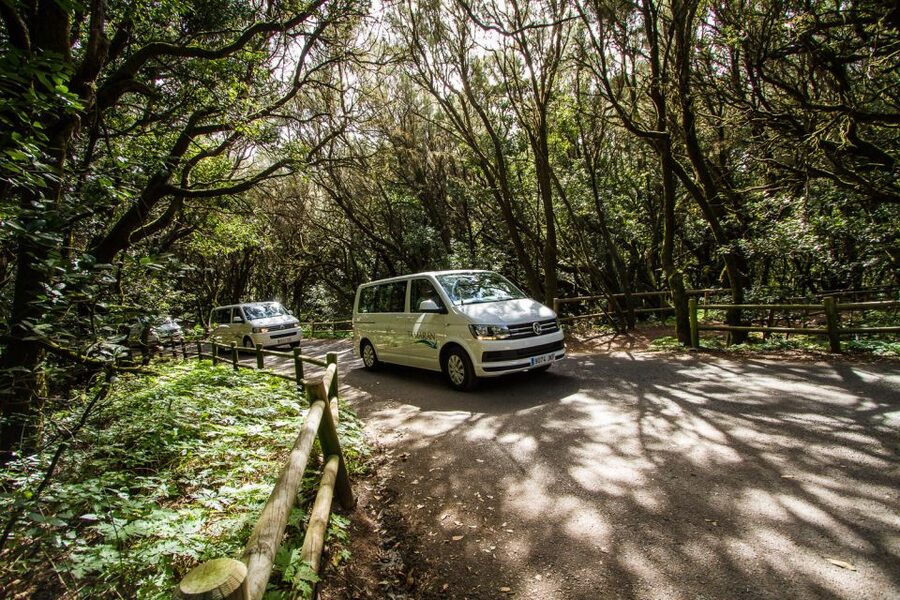
The cultural angle here is not just a label. Gomera has a whistling language heritage that connects to how people communicated across valleys. When your guide talks about it during viewpoint or park moments, it makes sense because you are literally looking over the kind of terrain that demanded clever communication.
The tour also frames Gomera as a bridge to the discovery of the New World. You can treat this as a historical thread that runs through the day, not a separate museum lesson. It is a way to understand why this island mattered to sailors and why its geography made it relevant long before modern shipping.
If you like history explained through what you see outside the bus window, this is a good fit. If you only want pure sightseeing with no storytelling, you will still enjoy the stops, but you might want to skim less and listen more to get the cultural payoff.
What the guides do best: staying on time, and staying human
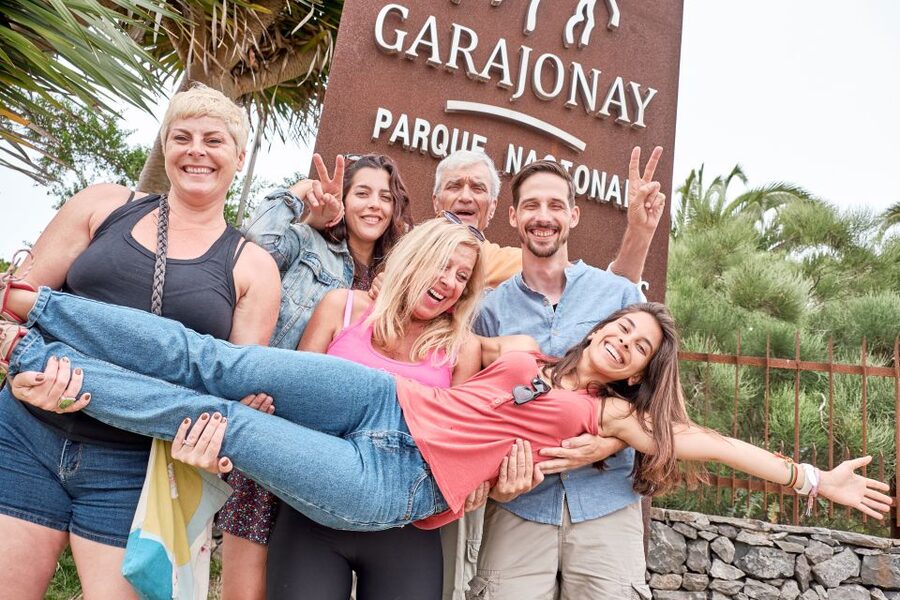
One of the biggest reasons this tour scores so high is how the day feels organized. You get pickup, ferry transfer, consistent guidance at stops, and drivers who keep the group together. The 4WD format helps, but the real difference is how well the guide handles timing and explanations.
In particular, guides such as Kai-Uwe and Alex are known for moving the day forward while still giving people space to take photos and ask questions. That matters because Gomera is a place where you often want one extra minute at a viewpoint. This kind of guide style helps you get it without slowing the whole group down.
For me, the sweet spot is when the guide can explain botany and island history in a way that sounds like a conversation rather than a slideshow. When that happens, Garajonay and the village stops stop feeling like checkboxes.
Price and value: what $205 really covers for a full 10-hour day
At $205 per person for a 10-hour day, you are paying for more than transport. The value is in the bundle: driver service, ship transfer, included food, pickup in Puerto de la Cruz or nearby, and civil liability insurance.
Here is how I think about the value:
- You are paying for a full-day operation that includes the ferry crossing. That is usually the hardest part to DIY.
- The included food and onboard free food and drink cut down your extra spending and make early departures feel less painful.
- The 4WD format costs more than a basic shuttle, but it can save you time and reduce the fatigue that comes with frequent, slower stops.
Could you travel to Gomera cheaper on your own? Sure. But you would still need to coordinate ferry schedules, driving, routing, and stop timing. This is a “time-saving with guidance” purchase, not a “cheapest option” purchase.
If you want a relaxed day with structure and a guide who connects the dots, this price can feel reasonable. If you are traveling with a lot of flexibility and you love planning, you might decide to DIY. Most people choose this for convenience plus storytelling.
Who this tour suits best, and who should skip it
This tour suits you if:
- You want one day that covers both the park and several villages
- You like guided explanations and not just photos
- You prefer small-group movement through mountain roads
- You want included meals and ferry comfort, not constant decision-making
You might skip it if:
- You hate early mornings or long travel days
- You want a slow, open-ended itinerary with lots of free time
- You get motion sick on curvy roads, even with careful driving
Wheelchair accessibility is listed, so you can bring mobility needs to the conversation. Still, you will be spending most of the day in vehicles and at varied stops, so plan for that kind of reality.
Packing list: what you will actually want in your day bag
The tour gives you what it can, but you bring the rest. Here is what you should plan around:
- Comfortable shoes for repeated stops
- Sunglasses and sun hat, because you are outdoors a lot
- Sunscreen and water, plus snacks if you like having extra control
- A jacket, since higher areas and long days can feel cooler
- Passport or ID card, because the ferry requires the original document
For comfort, also think about layers. You can go from warmer port areas to cooler mountain segments. Keep it simple: one light layer you can add or remove.
Should you book the VIP 4WD full-day tour to Gomera?
Book it if you want maximum Gomera in one day with fewer headaches. The combination of 4WD transport, ferry crossing, Garajonay park time, and cultural explanations is a practical way to see the island without spending your day solving logistics.
Consider passing if you want a low-energy outing or if long road time is a problem for you. This tour is built for movement and viewpoints, not for resting.
If your travel style is “I want the island, but I want it guided and efficient,” this one deserves serious consideration.
FAQ
What is the meeting point and time in Puerto de la Cruz?
The meeting point is at 07:00 AM at the Tamaran/Volcanic office, Calle Aceviño, 12 in Puerto de la Cruz.
How long is the full-day tour to Gomera?
The duration is 10 hours.
Do I need to bring my passport or ID card for the ferry?
Yes. An original ID or passport is necessary to travel on the ferry.
Is ferry transfer included in the price?
Yes. Ship transfer is included as part of the tour.
Is food included?
Food is included, and there is also free food and drink onboard the ferry.
What language is the live tour guide?
The live tour guide is German.
Is the tour wheelchair accessible?
Wheelchair accessibility is listed as available.
Just Added to the Tenerife Lineup
La Gomera Island Trips, compared.
Full-Day Gomera Jeep Safari Excursion from Arona
Read our review →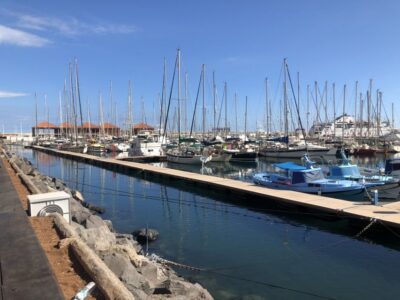
Full Day Guided Tour to La Gomera from Tenerife
Read our review →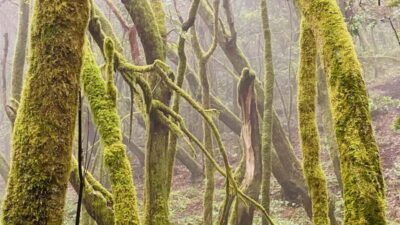
From Tenerife South: La Gomera Full-Day Trip with Transfers
Read our review →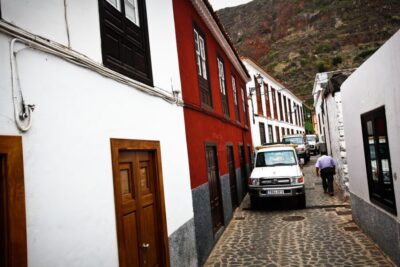
Full-Day Gomera Jeep Safari from Puerto de La Cruz
Read our review →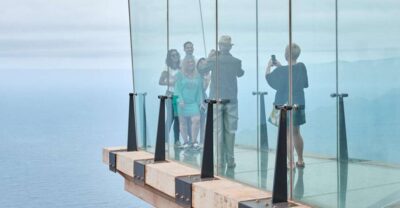
Browse the lists this tour appears in