Reviewed · TICKETS
Entrance Ticket for Students in La Casa de los Balcones
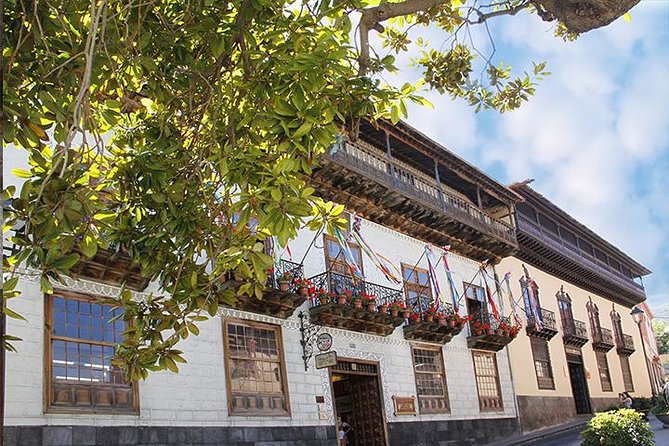
Old Canary life fits in 45 minutes. At La Casa de los Balcones, also known as Casa Fonseca, a student ticket gives you access to a self-guided house museum focused on how a wealthy 17th-century family lived.
I like the mix of beautiful rooms with the practical, everyday side of life. You get antique objects alongside typical Canary tools tied to real tasks, like the tools once used to manage water.
One consideration: the inner courtyard may include singing birds kept in tiny cages, and that has bothered some people enough that they said they would not have visited if they’d known. If you’re sensitive to animal welfare issues, it’s worth keeping that in mind.
In This Review
- Key things to know before you go
- Why La Casa de los Balcones (Casa Fonseca) feels different on Tenerife
- Your self-guided route: what the 15 to 45 minutes includes
- First floor rooms: antiques, Canary artifacts, and water-related tools
- Downstairs winery area: the practical side of a wealthy home
- Inner courtyard photo time, plus the bird-cage consideration
- Museum help: signage in English or Spanish and an optional audio guide
- Traditional clothing and Canary craft details you can actually shop
- What the 17th-century family story teaches you (and what it doesn’t)
- Price and value: why $3.59 as a student ticket makes sense
- Practical tips to make your visit smoother
- Who should book this student entrance ticket
- Should you book La Casa de los Balcones with the student ticket?
- FAQ
- Is this entrance ticket only for students?
- What does the ticket include?
- How long should I plan for the visit?
- Is the tour guided by a person?
- What can I see during the visit?
- Is there language support on site?
- Where is the attraction?
- Who can participate?
- What is the price for this student ticket?
- What is the cancellation policy?
Key things to know before you go
- A student-only ticket: you must show your student card at reception
- Self-guided and short: plan about 15 to 45 minutes for the circuit
- 17th-century rooms with reconstructions: you walk through typical spaces of a wealthy Canary family
- Tools meet décor: antique objects sit next to Canary Island everyday tools, including water-related items
- Downstairs winery area: the visit includes a look at how wine work was handled
- Gift shop stop: embroidery and ceramics are part of the fun when you want souvenirs with taste
Why La Casa de los Balcones (Casa Fonseca) feels different on Tenerife
La Casa de los Balcones is one of those Tenerife sites that works well when you want culture without committing your whole day. It’s a compact house museum, and the self-guided setup makes it easy to go at your own pace, whether you’re there for 20 minutes or closer to the upper end of the time window.
The big appeal is the way it blends lifestyle and objects. You’re not just looking at a fancy façade or a single room, you’re moving through a circuit that shows how a wealthy 17th-century household functioned, down to the tools people relied on.
For students, the price is a serious advantage. At $3.59 per person, you’re paying a low entry cost for a full museum experience inside a 17th-century home, plus time in a courtyard and a look at local crafts in the gift shop.
Other things to do around Tenerife
- Siam Park Entry Tickets
★ 4.5 · 15,710 reviews - Tenerife: Loro Parque Entry Ticket
★ 4.8 · 12,411 reviews - Loro Parque and Siam Park Combined Admission Tickets
★ 4.7 · 7,307 reviews - Tenerife: Mount Teide Tour with Cable Car Ticket & Transfer
★ 4.3 · 5,094 reviews - From South Tenerife: Loro Park Zoo Ticket & Hotel Transfers
★ 4.4 · 2,672 reviews
Your self-guided route: what the 15 to 45 minutes includes
This is a ticketed entrance that turns into a self-guided walking circuit. There isn’t a long narration schedule or a group pacing you down hallways, so the best strategy is simple: take 2 to 3 minutes in each room, read what you can, then slow down when something catches your eye for photos.
The visit starts on the first floor. Expect rooms arranged to show you how a wealthy Canary family displayed antiques and used spaces for daily life.
Then you go downstairs. This part matters because it adds function, not just décor, including a look at winery work. After that, you finish back up near the inner courtyard, where you’ll have more photo opportunities and a calmer pause before you head out.
First floor rooms: antiques, Canary artifacts, and water-related tools
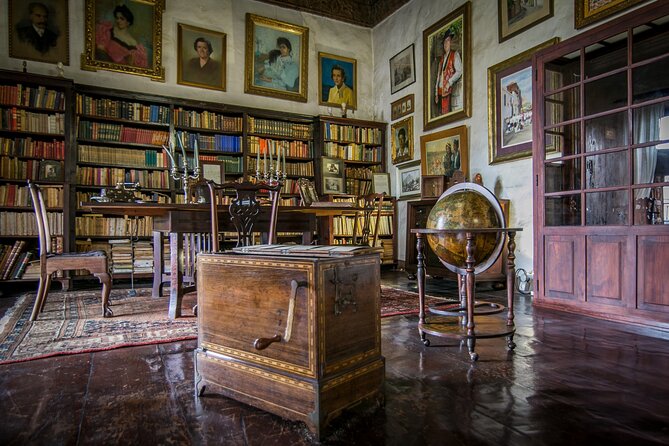
The first floor is where you’ll feel the “house museum” effect most strongly. Rooms are set up with a large collection of antique objects tied to a wealthy 17th-century home, so you can see how status, storage, and daily living all shaped the space.
What I like about this floor is the balance between pretty and practical. In addition to decorative items, you’ll also see typical Canary Island objects and traditional tools used in the past to get resources, with water being a key theme.
That combination is great for visitors who want more than “look at the furniture.” It helps you understand that island life depended on systems and routines, not just aesthetics. If you’re the type who reads labels, you’ll likely enjoy this section because it’s designed to give you context as you move through the rooms.
Downstairs winery area: the practical side of a wealthy home
The downstairs section shifts the mood. Instead of only focusing on rooms and display pieces, you’ll get a look at how winery work was handled in a household setting.
Even if you don’t know a lot about wine history, this is a smart museum move because it explains the home as an operating unit. You’re seeing why a wealthy family could afford better materials, better storage, and better organization, since producing wine was part of the broader economy of island life.
The practical downside is pacing. If you rush, you’ll miss the functional story. Slow down here and give the downstairs area a little extra time compared to the first floor rooms, because this is the part that turns décor into process.
Heading further into Tenerife? Here's what else is nearby.
Inner courtyard photo time, plus the bird-cage consideration
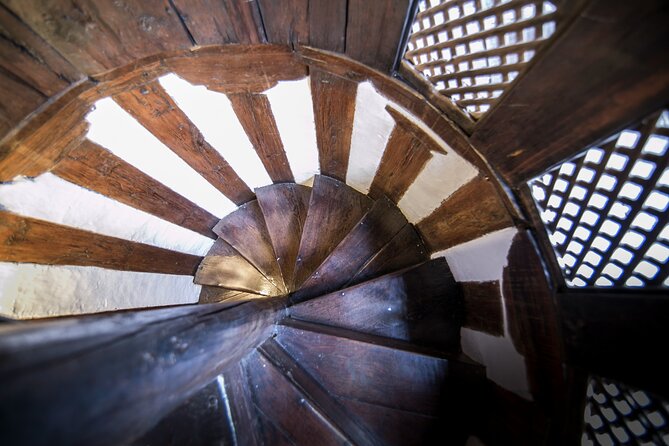
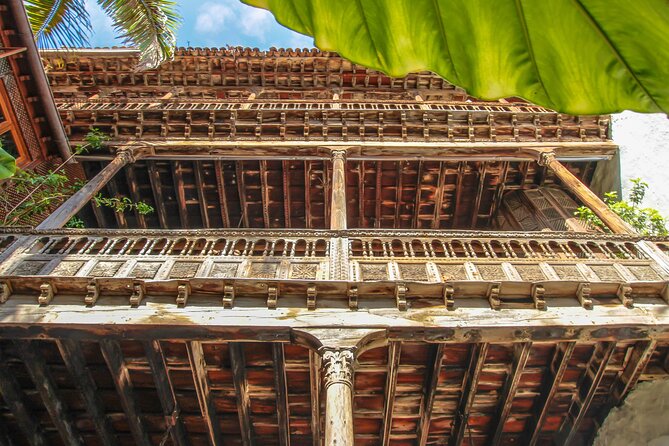
The circuit eventually brings you to the inner courtyard. This is often where a house museum stops feeling like a museum and starts feeling like a real architectural moment, enclosed by the building’s interior design.
Photo-wise, the courtyard is usually the easiest win: you can shoot angles that show architecture and interior space without leaving the site. It’s also a good spot to reset your focus after the downstairs section.
Now for the part you should not ignore. One review specifically complained about singing birds kept in tiny cages in the courtyard area, calling it unacceptable and saying they would have skipped the visit if they’d known. The takeaway for you: if animal welfare concerns are a dealbreaker, consider this a key decision point before booking.
Museum help: signage in English or Spanish and an optional audio guide
Good museums help you read the story without making you hunt. Here, you’ll find explanation signs in English or Spanish, which makes the visit more accessible even if your Spanish is limited.
There’s also an audio guide option mentioned in one review, listed at 1€. That detail matters because audio can add texture when you want more than label text, especially in rooms where you might otherwise move quickly.
If you want maximum value from the low ticket price, do this: scan the signs first. Then, if a room really pulls you in, pause and spend extra time reading or listening. You’ll get more meaning out of the same 15 to 45 minutes.
Traditional clothing and Canary craft details you can actually shop
One of the stated highlights is traditional clothing from Spain’s past. That’s a great complement to the antiques and tools, because textiles and clothing help you picture the person behind the objects.
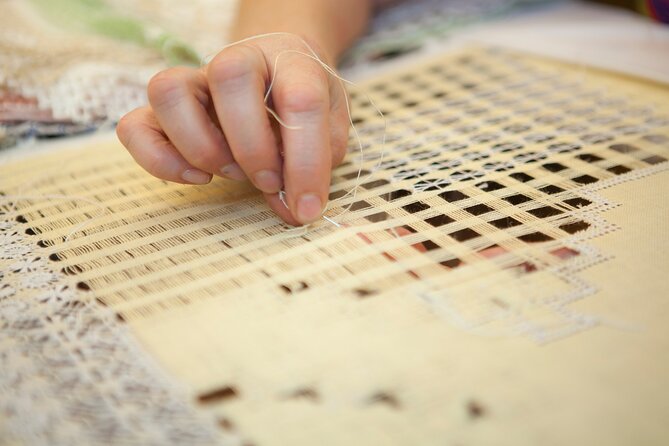
You’ll also run into Canary craft details, including Calados needlework. Calados is the kind of lace-style handiwork that looks delicate but takes serious skill, so it’s worth slowing down for a closer look and trying to spot patterns.
Once you’ve finished the house circuit, you can stop in the gift shop. The shop is positioned as part of the experience, with local products like embroidery and ceramics. This is where you can turn inspiration into a real souvenir without guessing what’s authentic.
If you’re picky about souvenirs, use the shop as a “last look” rather than a first stop. By seeing the house objects and craft references inside, you’ll shop with better context outside.
What the 17th-century family story teaches you (and what it doesn’t)
This experience is built around a wealthy Canary family in the 17th century. That framing is useful because it gives you a coherent viewpoint for the rooms, the antique objects, and the tool displays.
The positive angle is that it keeps the visit focused. You’ll likely come away with a clearer sense of how island wealth expressed itself through home design, possessions, and household functions like winery work.
The limitation is that it’s a house museum, not a big thematic exhibition. You won’t get every angle of Canarian life in one stop. Instead, you get a concentrated look at one household and the objects connected to it, which is exactly why it’s such a good quick add-on when you’re sightseeing in Tenerife.
Price and value: why $3.59 as a student ticket makes sense
At $3.59 per person, you’re not paying for a long guided program. You’re paying for entrance to a preserved 17th-century house museum with a structured circuit and time to explore multiple levels.
For students, the value comes from two places. First, you get access at a student rate that is much easier to justify than full adult admission. Second, the visit includes multiple interest types: antiques, tools, winery-related spaces, courtyard architecture, and craft references in the shop.
If you only have an hour or less, this is the sort of stop that lets you “check the culture box” without feeling like you lost half a day. It’s also a good budget-friendly alternative on days when you want indoor attractions with climate control, or when the weather makes outdoor touring less appealing.
Practical tips to make your visit smoother
The ticket is student-only, and you have to show your student card at the reception of La Casa de los Balcones. That’s the main rule that can affect your day, so keep your card ready before you arrive.
The site is also described as being near public transportation. That matters because it makes this easy to plug into a Tenerife route, especially if you’re mixing it with other stops in the same area.
Plan for a flexible duration. The circuit is listed at around 15 to 45 minutes, so arrive with a little time buffer rather than trying to stack back-to-back timed activities.
Finally, think about your priorities before you enter. If you care most about architecture and décor, you can spend more time upstairs. If you want the functional story of how things worked, focus more on the downstairs winery area.
Who should book this student entrance ticket
This is a strong fit if you are:
- A student who wants a low-cost museum visit with real house interiors
- Someone who enjoys reconstructions and labeled context in a small space
- A craft fan who wants to see Calados needlework references and shop for embroidery and ceramics
- A photographer who likes courtyards and interior architecture angles
It’s also a decent choice if you’re not in the mood for a long tour. The self-guided format helps you avoid feeling rushed.
It may not be the right fit if:
- You are highly uncomfortable with animal welfare issues, especially concerning birds in small cages in the courtyard area
- You expect a large, multi-room museum with deep rotating exhibitions
Should you book La Casa de los Balcones with the student ticket?
I’d book it if you want a short, affordable, self-guided cultural stop in Tenerife that mixes antiques, tools, and a working-home angle through the winery area. The price is low enough that you’re not taking a big risk, and the English or Spanish signage makes it approachable.
But I’d think twice if the courtyard bird detail is a concern for you. That’s the one piece of information that can change the emotional experience, not just the logistics.
If you’re deciding between passing this by and going in, here’s the practical rule: if you’re curious about 17th-century household life and you can handle the courtyard situation, this is a smart student value buy.
FAQ
Is this entrance ticket only for students?
Yes. You need to show your student card at the reception of La Casa de los Balcones to use the student entrance ticket.
What does the ticket include?
The ticket includes admission to La Casa de los Balcones as a student rate, and it allows you to do a self-guided visit of the house museum.
How long should I plan for the visit?
The visit is listed at about 15 to 45 minutes.
Is the tour guided by a person?
No. It’s a self-guided tour, so you explore the house museum on your own.
What can I see during the visit?
You can see a 17th-century home museum with antique furniture and objects, typical Canary Islands artifacts and traditional tools (including water-related tools), a winery-related area downstairs, an inner courtyard, and traditional clothing from Spain’s past. There is also a gift shop.
Is there language support on site?
There are explanation signs available in English or Spanish, and an audio guide option is mentioned in one review.
Where is the attraction?
It’s in Tenerife, Spain, and it is noted as being near public transportation.
Who can participate?
The information says most travelers can participate.
What is the price for this student ticket?
The listed price is $3.59 per person.
What is the cancellation policy?
Free cancellation is available. You can cancel up to 24 hours in advance of the experience start time for a full refund, and changes within 24 hours are not accepted.
Just Added to the Tenerife Lineup





Tickets, compared.



Loro Parque and Siam Park Combined Admission Tickets
Read our review →
Mount Teide Tour with Cable Car Ticket & Transfer
Read our review →