
Reviewed · SCUBA DIVING
Diving course for beginners in turtle area Tenerife
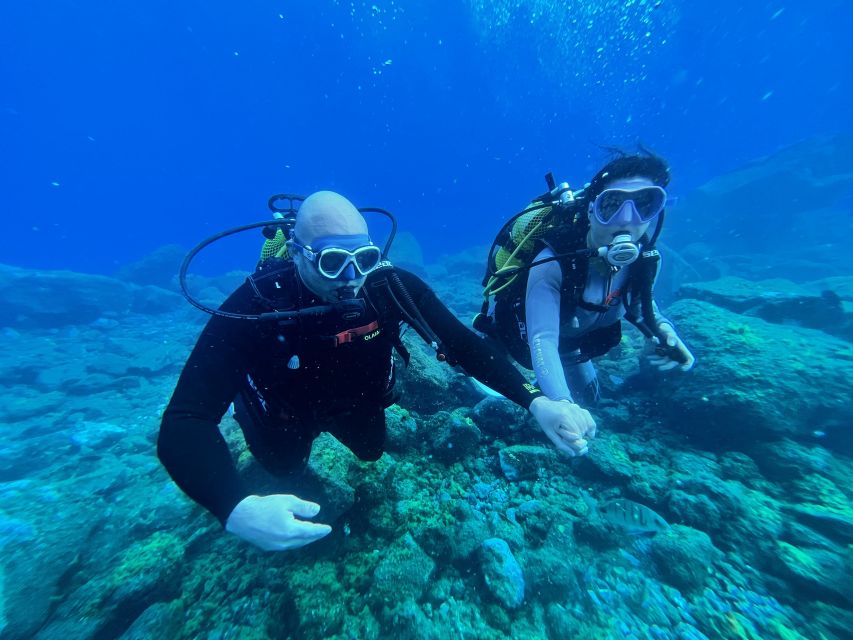
Some people book this hoping to see turtles. You also get a real skill lesson. In the Abades area, you’ll learn underwater breathing step by step, float, and explore the Atlantic Sea life at a protected site with a calm, beginner-first approach.
Two things I really like: you get a private-group feel without rush, and you leave with a certification card plus free, high-quality photos and video. A good consideration: it depends on conditions and on what wildlife is around, so you should expect colorful fish most of all, while turtles are never guaranteed.
If you’re a first-timer, this kind of structure matters. You start in shallow water, you get lots of instructor attention, and you learn how to feel safe with your gear before you head out to the wildlife area.
In This Review
- Key Highlights You’ll Care About
- Where You Meet at Abades and How the 3 Hours Really Flow
- The Beginner Course Built for First-Time Underwater Breathing
- Gear Setup and Shallow-Water Confidence (Neoprene to Fins)
- The Protected Marine Area, Fish, and the Turtle Chance
- Photos, Video, and the Certification Card You Actually Keep
- Price and Value for About $100 Per Person
- Who Should Choose This Turtle-Area Starter Session (and Who Should Skip)
- After-Session Rules That Affect Your Tenerife Day
- Should You Book This Beginner Turtle Area Session in Tenerife?
- FAQ
- Where do I meet for the course?
- How long is the beginner experience?
- What is included in the price?
- What should I bring with me?
- Is food or a hot shower included?
- What languages are used by the instructor?
- What are the age and health limits?
- Are there rules about activity after the session?
Key Highlights You’ll Care About
- Abades meeting point at the beach near Magilu, right by the action
- Beginner-focused course with shallow-water coaching before the main swim
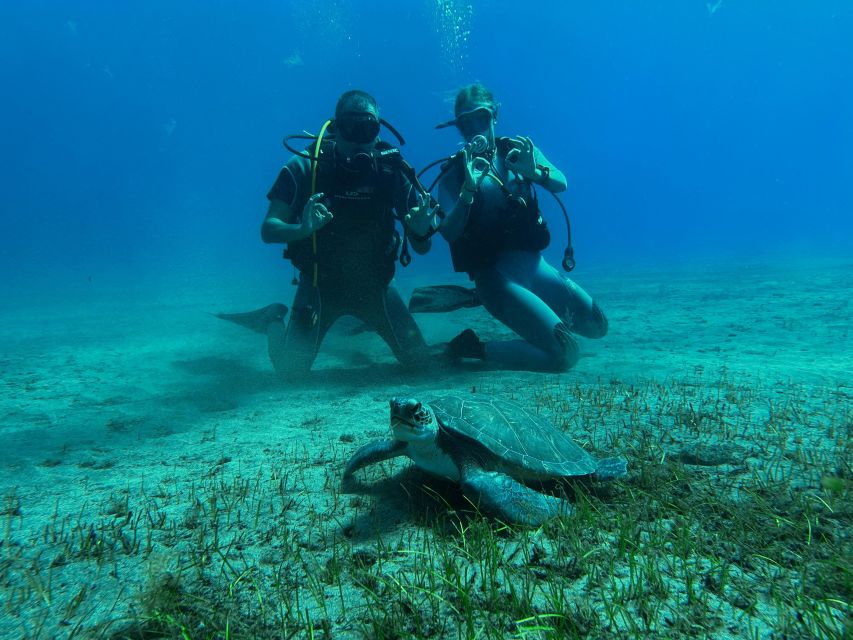
- Wildlife you might see, colorful fish, plus a chance of sea turtles and sting rays
- Photos and video included for free, delivered right after the session
- Gear, insurance, and equipment provided, so you just show up with swimwear
- CMAS-style certification card handed back after you finish
Where You Meet at Abades and How the 3 Hours Really Flow
This experience is based at Playa de Abades in Tenerife, on the Canary Islands. You meet at the beach near the restaurant called Magilu, which makes it easy to find once you’re in the Abades area.
The total time is 3 hours, and you should think of it as one skill block plus one guided underwater exploration. In practice, you spend the early part learning and feeling comfortable with your setup, then you move into the protected marine area with your instructor.
One small but important reality check: you won’t have your day fully free after, either. There are specific rules for after the session, including flight timing and no extreme sports right after. So plan your schedule like you’re doing a real training activity, not just a quick look into the water.
Also, this is described as a private group. That matters for beginners, because you tend to get faster feedback and less waiting around. And based on the way the instruction is described, they are used to helping people who are nervous, not just people who already feel confident in the water.
Other things to do around Tenerife
- Southern Tenerife: 50-Minute Submarine Dive
★ 4.8 · 2,216 reviews - Tenerife: Your First Scuba Diving Experience in Turtle Area
★ 4.7 · 1,679 reviews - Tenerife: Beginner’s Dive at a Spot with Turtle Sightings
★ 4.7 · 627 reviews - Tenerife First Time Scuba Dive – Turtle Habitat, Small Groups
★ 4.5 · 456 reviews - Tenerife: Beginner Scuba Dive Experience
★ 4.8 · 238 reviews
The Beginner Course Built for First-Time Underwater Breathing
The core goal is simple: you learn how to breathe underwater and how to manage your gear without panic. You get a full course after meeting, so you understand what you’re about to do before you actually put everything on.
This matters because underwater breathing is part mechanics, part nerves. The instruction style is explicitly beginner-friendly, and the session is offered as private and without rush. If you have fear in the back of your mind, this kind of pacing helps you get your bearings fast.
You also get a highly structured start in shallow water. First you step in and work on feeling safe and comfortable with your mask and fins, then you progress with guidance. That step-by-step approach is what turns a scary idea into a doable experience.
Language is another practical point. The instructor works in English, German, and Spanish, and the course is only possible if you speak one of those languages for safety. In one account, the explanation was clear in English, and the underwater guidance did not require perfect English since the instructor was actively coaching you where you needed it.
One more thing I like: the instructors are described as experienced with CMAS standards through an international aquanautic club. In other words, this is not just a casual outing. It’s taught like a real beginner course with safety at the center.
Gear Setup and Shallow-Water Confidence (Neoprene to Fins)
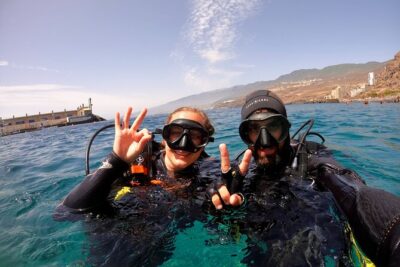
Once you’re at the beach, you put on the full scuba equipment. The kit is listed clearly: a neoprene suit, diving jacket, mask, and fins. You also get full equipment provided, so you don’t need to rent gear separately.
What you should bring is simple: swimwear and a towel. Changing room and hot shower are not included, so think about what you want for after. If you like warm recovery, pack a plan for getting comfortable on your own.
The first water time is in shallow water, and that’s your practice zone. You’ll make the first steps with the gear so your body learns the new “feel” of the mask seal, the fin rhythm, and your breathing pattern. This is where most first-timers decide if they’re going to enjoy it or spend the rest of the day worrying.
Then the instructor moves you safely toward the marine life area in the Tenerife Atlantic Ocean. You’re guided rather than sent off on your own. That’s key for beginners who might not yet know what to look at, how to stay calm, or how to react if something feels off.
A small rule set helps keep it smooth underwater: you are not allowed to touch marine life or touch plants. You’re also not allowed to touch animals. That protects wildlife and it keeps your hands from turning into a distraction during your learning.
The Protected Marine Area, Fish, and the Turtle Chance
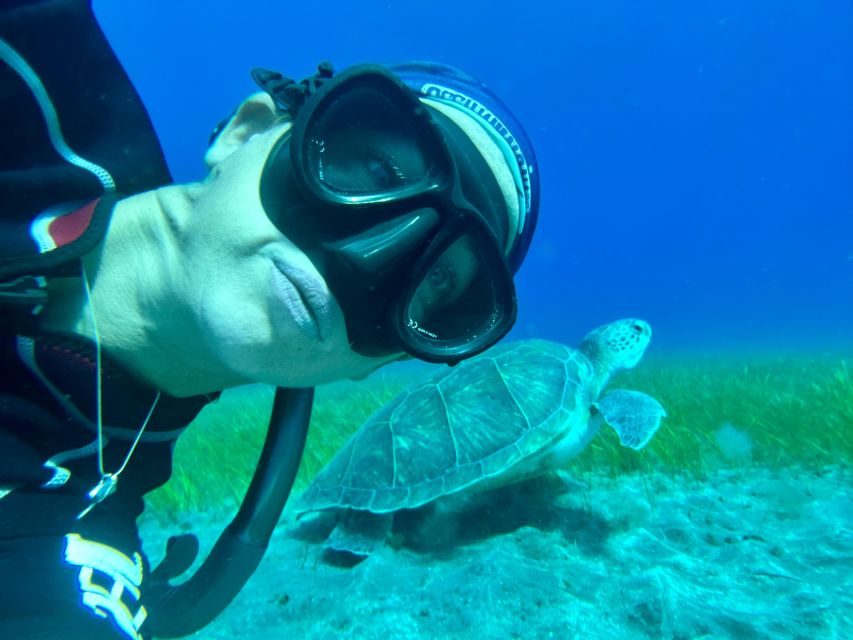
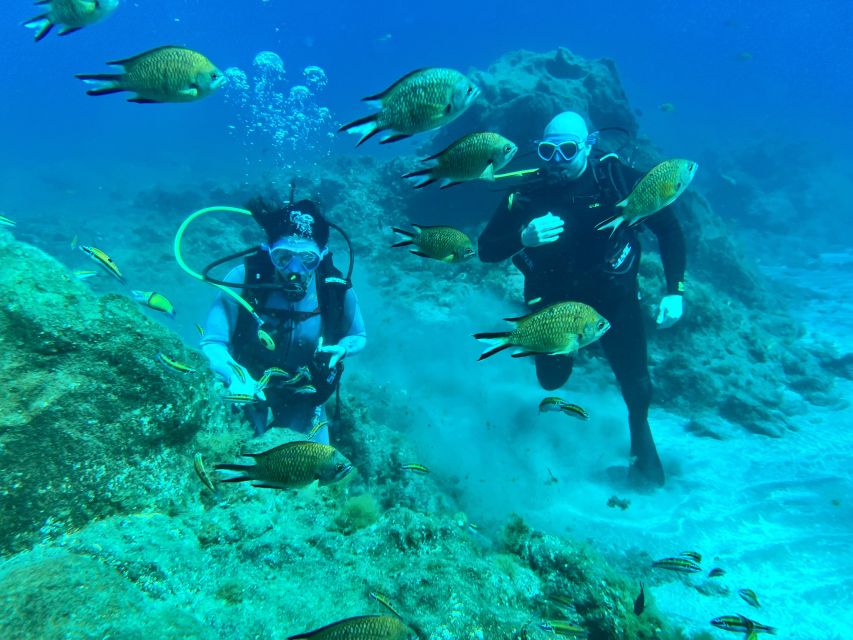
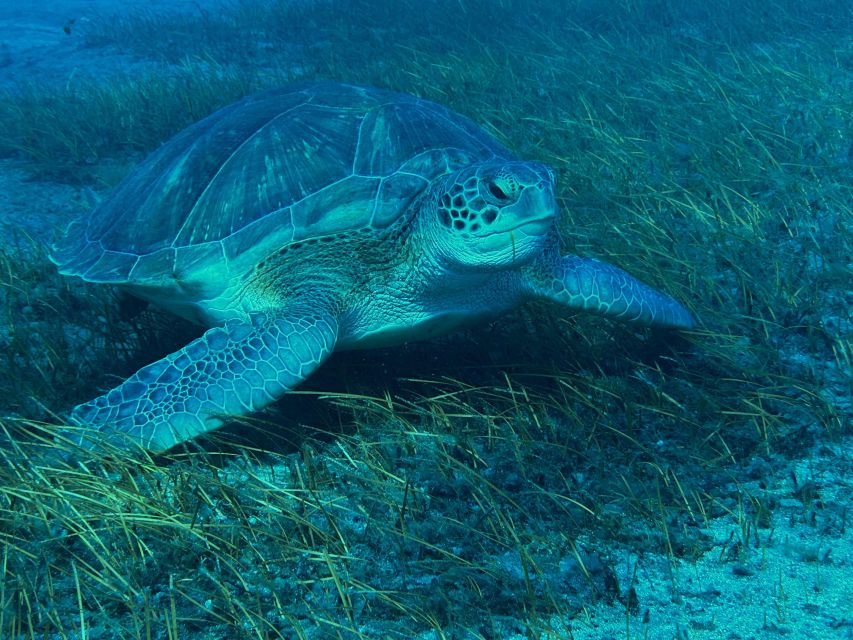
This is the part that makes people book. The course takes you to a natural protected area where you can discover the local sea life. The highlights list calls out colorful fish, and the wildlife section also notes a chance of sea turtles and sting rays.
Here’s the honest way to think about it: turtles are wild animals, and they might not be visible during your specific time. That’s not a failure of the experience, it’s just how wildlife viewing works. You’re still very likely to see plenty of colorful fish, because those are generally easier to find than a single turtle passing through.
You’ll also do something beginners love: floating in the ocean. That matters because it’s often the moment you realize the gear isn’t only weight and effort. It can feel like you’re learning to move as one unit with your equipment, not wrestling it.
And because you’re in a protected setting, the “look but do not touch” approach keeps the experience respectful. If you watch carefully, you’ll get the best results by following your instructor’s guidance and just letting the water do its thing around you.
In at least a couple of accounts, the instruction style was praised as attentive and supportive. One standout detail was that the instructor felt like he was treating the group with real care, not just checking boxes. Another described the support as strong for beginners and enjoyable for a wide range of ages. That kind of attitude matters in this environment, because the ocean will always be a little unpredictable, even when everything goes smoothly.
Heading further into Tenerife? Here's what else is nearby.
Photos, Video, and the Certification Card You Actually Keep
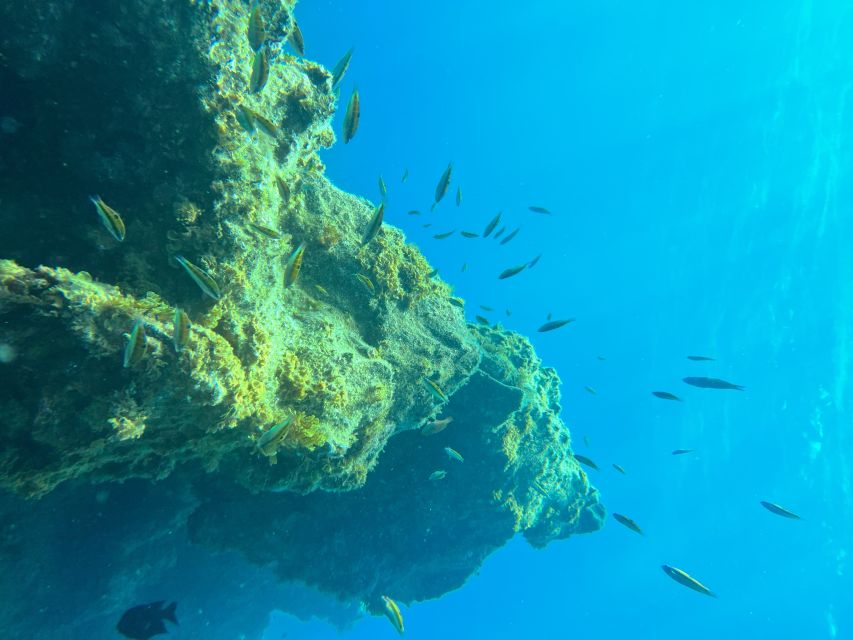
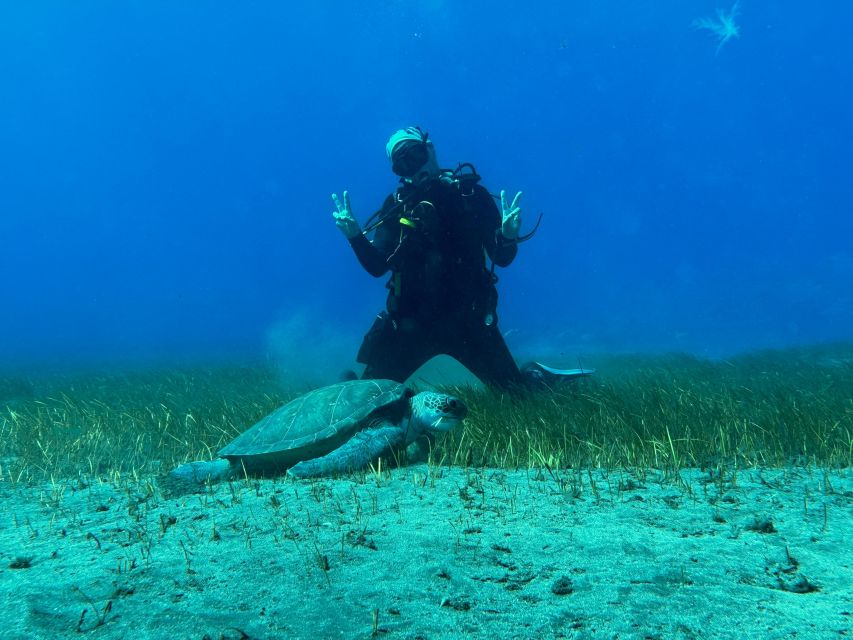
One of the most practical benefits is that photos and videos are included for free. The timing is also great for logistics: you can receive them directly after the tour. That way, you don’t need to wait, and you don’t need to chase files later.
They also describe the content as top quality, and that matches what most people want. For a first experience, you’ll want proof of how you looked underwater, not just a memory in your head.
After you finish, you also get a license card for your first diving experience. In other words, you’re not just doing a one-off swim. You leave with a tangible takeaway that can make it easier to book future training or try another underwater session later.
This combination, certification card plus visual record, is real value. It turns the day into something you can share with friends and use later, especially if you’re thinking about progressing.
Also, the experience includes diving insurance and is taught by an instructor linked to CMAS and the International Aquanautic Club. Insurance is the unglamorous part, but it’s part of why beginner courses should feel safer and more professional.
Price and Value for About $100 Per Person
At around $100 per person for a 3-hour beginner session, the value is about what’s included, not just the number. In this case, the listed inclusions are strong: full equipment, diving insurance, an experienced instructor tied to international CMAS standards, a certification card, and free photos and videos.
If you’ve priced other starter experiences, you know how often they split the costs. Equipment rental, insurance, or even photos can quietly add up. Here, most of that is bundled, so you can plan without surprise add-ons.
Still, you should note what’s not included. Food and drink are not included, and changing room and hot shower are not included. That means you need to treat it like an active half-day, not like a full resort package where everything is handled.
For many people, that’s actually fine. A beach-based morning or afternoon with minimal overhead can be the best kind of travel day. You’ll meet at Abades, get trained, swim, then you’re done.
And since it’s a private group, you’re paying for more focused attention, which is often the difference between enjoying your first time and spending it worried.
Who Should Choose This Turtle-Area Starter Session (and Who Should Skip)
This course is listed as possible from age 10+. It’s meant for beginners, including people who do not have prior underwater experience. Non swimmers are described as possible but complicated, which is a fair warning. If you’re not comfortable in open water, you might find the experience more stressful than it needs to be.
It’s not suitable for pregnant women. It also isn’t for people with heart problems, respiratory issues, or other health limitations related to ears, as described for safety.
There’s also a mental-safety note: if you suffer from panic attacks, it’s not the best sport for you. That’s not them being dramatic. Underwater breathing changes your body sensations quickly, and if panic hits, it can become unsafe. If you’re in a good mental place, you’re more likely to benefit from the calm instruction style.
Another practical point: touching wildlife is not allowed, and panic is also why rules matter. You want to follow the instructor, keep your breathing controlled, and avoid sudden movements.
And if you wear contact lenses, the information says people with classes have to wear contact lenses. That suggests you need your vision corrected to participate safely. If you normally rely on glasses, plan ahead with contacts or ask the provider if there’s a safe alternative.
After-Session Rules That Affect Your Tenerife Day
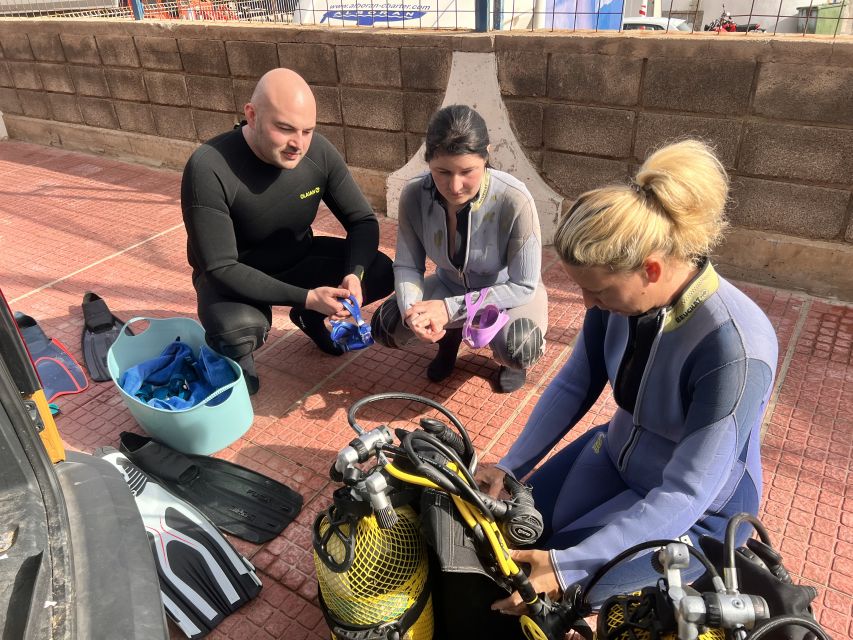
These are the kind of rules that can mess up plans if you ignore them. The session includes guidance on what you can do afterward.
You shouldn’t take flights for 12 hours after the trip. You also shouldn’t do extreme sports afterward. And there’s a very specific note about timing in relation to Teide: don’t visit Teide 9 hours after the trip.
In plain terms, you should keep your next hours calm and local. Think of it as a training session on your calendar, not just a beach activity. If you want a scenic drive or a relaxed meal, that’s a better fit than sudden altitude plans or adrenaline sports.
Also remember the “no alcohol and drugs” rule. That’s listed as not allowed, and it makes sense when you’re learning breathing control and working safely underwater.
Before the session, your best prep is simple: bring swimwear, a towel, and be ready to follow the rules about not touching marine life or plants. Those rules help keep the experience safe and keep wildlife safe too.
Should You Book This Beginner Turtle Area Session in Tenerife?
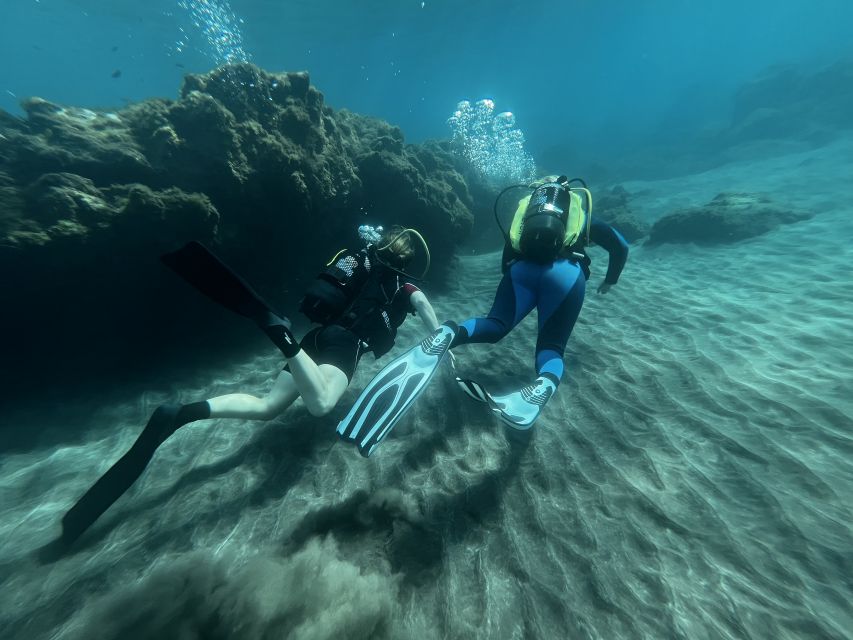
If you want a first-time underwater breathing course with a real teaching structure, I think it’s an easy yes. The mix of shallow-water coaching, experienced CMAS-style instruction, and the fact that you’ll get a certification card makes it more valuable than a quick sightseeing swim.
It’s also a good match if you like the idea of a private-group experience, with instructors who focus on calming you down and helping you feel comfortable. Accounts of instructors like Andrés being attentive and making people feel looked after show the human side of the training, not just the gear.
Book with eyes open about wildlife. You might see sea turtles and sting rays, but turtles are wild and sometimes they are not around. If that uncertainty would ruin your day, you might still enjoy the fish and the floating, but don’t plan your hopes around a guaranteed turtle sighting.
Finally, if you have any heart or respiratory concerns, panic attacks, or you’re pregnant, you should skip this and choose something else. And if you do not speak English, German, or Spanish, the course is not possible for safety.
If those points fit you, this is a solid beginner option in Tenerife. You’ll learn something real, see real marine life, and leave with photos plus a certification card, all for about $100. That combination is hard to beat for a first underwater experience.
FAQ
Where do I meet for the course?
You meet at the beach in Abades, at the spot near the restaurant called Magilu.
How long is the beginner experience?
It lasts about 3 hours.
What is included in the price?
The price includes full diving equipment, diving insurance, an experienced instructor (CMAS or International Aquanautic Club), a certification card, and photos and videos of your trip for free.
What should I bring with me?
Bring swimwear and a towel.
Is food or a hot shower included?
No. Food and drink are not included, and there is no changing room or hot shower listed.
What languages are used by the instructor?
The instructor speaks English, German, and Spanish.
What are the age and health limits?
It is suitable for participants from age 10 and it is not suitable for people with heart problems or respiratory issues, and it is not recommended for pregnant women.
Are there rules about activity after the session?
Yes. You should not fly for 12 hours after the trip, you should not do extreme sports after, and you should not visit Teide for 9 hours after the trip.
Just Added to the Tenerife Lineup
Scuba Diving, compared.
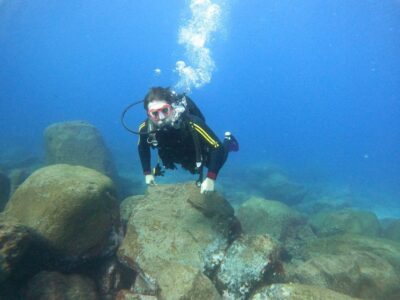
Your First Scuba Diving Experience in Turtle Area
Read our review →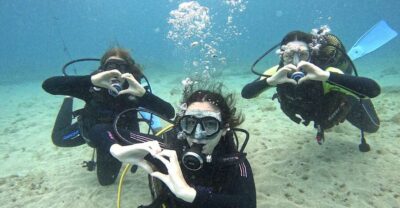
Beginner’s Dive at a Spot with Turtle Sightings
Read our review →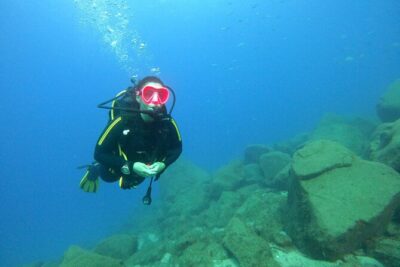
Tenerife First Time Scuba Dive – Turtle Habitat, Small Groups
Read our review →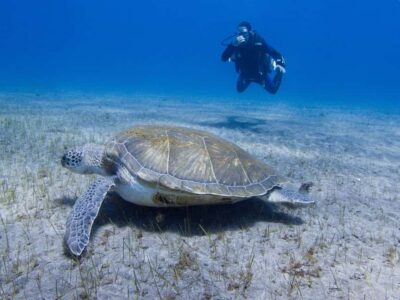
Try Dive – PADI Discover Scuba Diving in Tenerife
Read our review →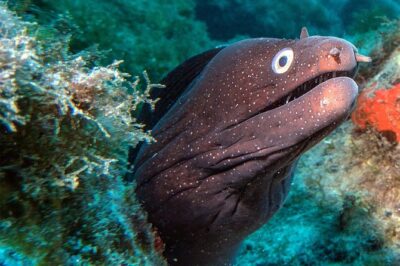
RECREATIONAL DIVE (certified divers only) : Explore Canarian Sealife
Read our review →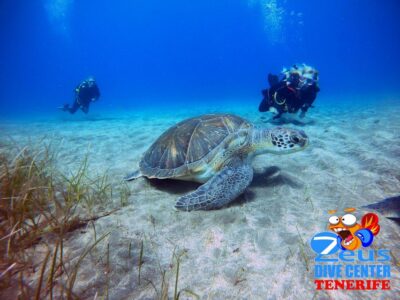
Browse the lists this tour appears in